Athens, Greece (With Family)

Della’s family – her parents and her sister – joined us for two weeks in November as we traveled through Greece and Turkey. The first stop on our joint trip was Athens. We had already been in town on our own for a few days, but held off on the major sites until they arrived.

Getting There

We were already in town, but the others had a much longer journey to get to Athens. Della’s sister flew from California to Denver, and then the three of them flew from Denver to Houston, Houston to Paris and finally Paris to Athens. They arrived in the late afternoon. We were very happy to see them! But, after such a long travel day they were pretty exhausted!

Meeting each other in the metro station

Meeting each other in the metro station

Where We Stayed

With a group of five, we decided that a rental apartment was the best bet. It was a little tough finding a nice place for five on Airbnb, but we eventually found a good deal on HomeAway for a two bedroom apartment in the fancy Kolonaki neighborhood. The apartment we rented turned out to be quite fancy – it was clear that it was the primary residence of the older woman who owned the place. It was very nicely decorated so we were very careful not to mess anything up. There was some confusion about the large security deposit we paid, which made us wish for the simplicity of Airbnb.

What We Did

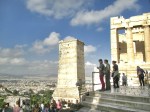
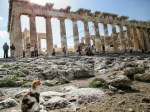
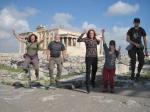
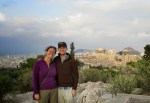
The Acropolis – We were itching to see this star attraction, so on our first full day we headed straight here. We decided to visit using the Rick Steves audio guide – the first time we attempted to listen to the narration instead of read it ourselves. Walking up through the columns of the Propylaea and onto the top of the hill was awe-inspiring. Even with the large amount of scaffolding covering the Parthenon, it was still very exciting to see the large temple in all its glory. The other highlight of the top was the back porch of the Erectheion with its six caryatid sculptures.

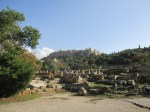
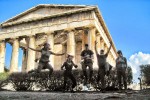
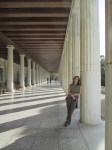
The Ancient Agora – After the Acropolis, we headed down the hill to the ruins of what was the main part of town during the heyday of ancient Athens. The most impressive ruin left is the Temple of Hephaestus, one of the best-preserved Doric temples. The rest of the agora was a mix of Greek and Roman stoas (covered markets) and statues. The site closed at 3 since it was the low season, so we didn’t get to spend as much time in the on-site museum as we would have liked.

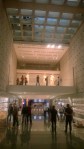
The Acropolis Museum – The Acropolis Museum is housed in a fancy new modern structure just south of the acropolis. It is built over the ruins of an ancient neighborhood, so various places in the floor have clear panels so you can see what is beneath. The museum has a large amount of space devoted to different items from the acropolis throughout ancient history, laid out in roughly chronological order. The ramp to the first level has ancient pottery. Then, during the Archaic Era, the predominant artifacts were the kore and korous statues. They did a good job of showing how colorful they must have once been.

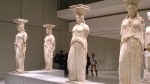
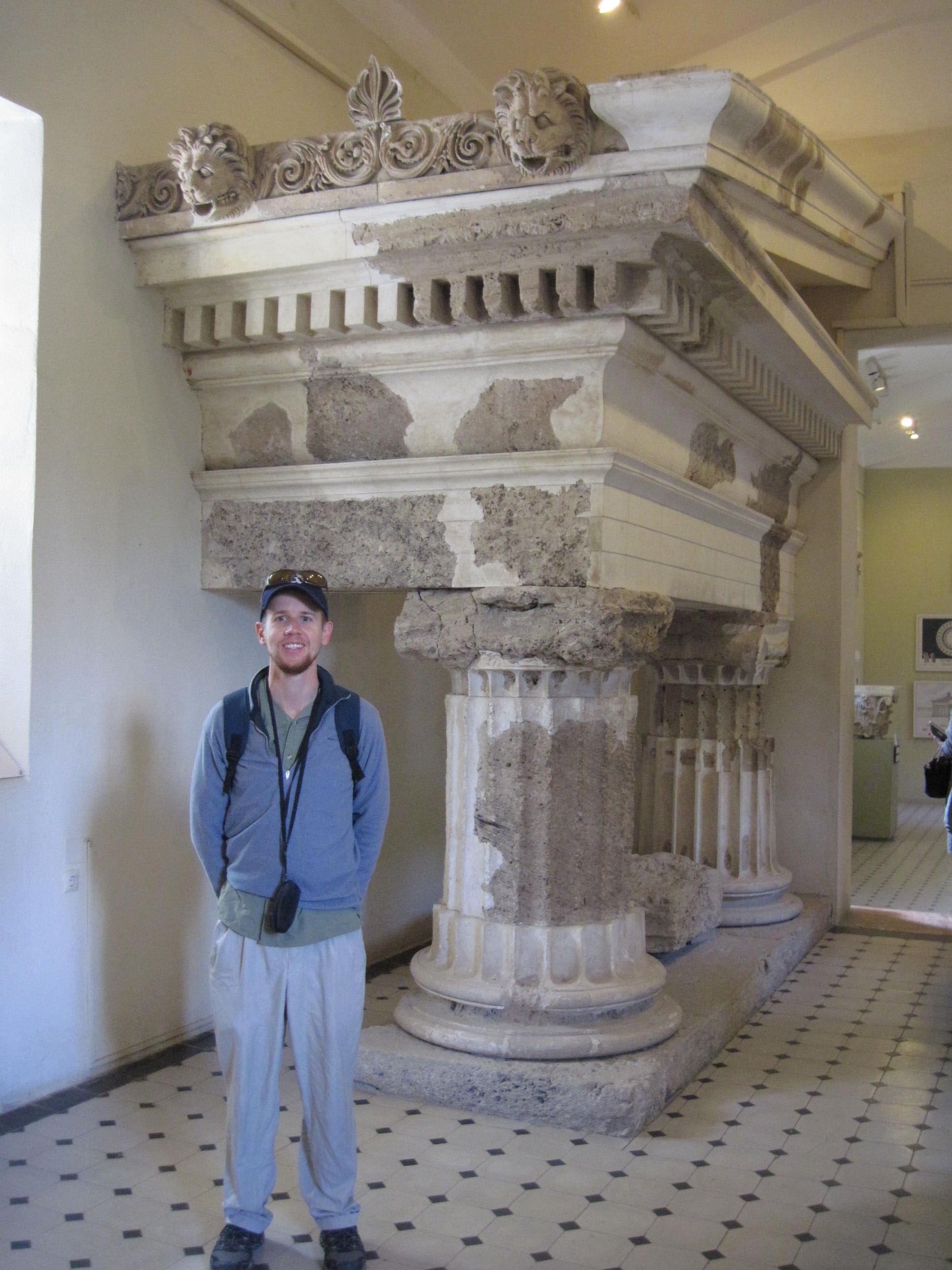
For the main architectural elements of the classical era, they split the big items into rooms based on the structure they came from. This meant there was an area for the Temple of Athena Nike, an area for the Erectheion (showcasing the original caryatid statues) and then on the top floor all by itself, a large area for the Parthenon. There was also a video describing the decorations and layout of the Parthenon. The pediment, frieze and metopes are all laid out in the same order they would have been on the Parthenon, utilizing the entire floor which is of the same size. The museum is quite clear in multiple places that they would like the works of art that the British Museum “stole” back at this museum. The missing pieces are currently shown as ugly plaster casts.

The National Archaeological Museum

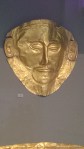
At the museum, we again all plugged into the Rick Steves audio tour. The museum went in chronological order and was quite extensive. The first major area was the Cycladic figurines and other art, from the 3rd century BC. Then, they covered the findings from Mycenae. We were pretty excited to see the artifacts from Mycenae that we had heard about when at the site and from reading Greek Treasure.

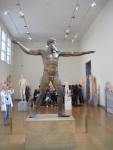
The next stop was the Archaic era, where we again learned more about the kore and kourous statues. The next major era was the Severe Style. The sculptures started to get more realistic, but the expressions were stern. The most classic piece from this era was a large bronze sculpture of either Zeus or Poseidon (we don’t know which because we can’t see if he is throwing a lightning bolt or trident).

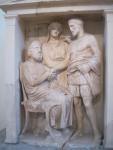
For the classical era, many of the finds were split into different rooms. There was a large collection of rooms focused on the art found on tombstones in the ancient cemeteries. There were many elaborate marble carvings to be found. The sculpture of Paris was one of the highlights of this era.

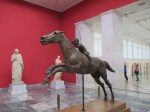
The next period is the Hellenistic era, which was characterized by sculptures which more realistic faces (instead of idealized) and more active movements. Some of the highlights in the collection were the Jockey of Atemision and Aphrodite fighting off Pan with her shoe. The final period covered was the Roman era. Here they tried to copy the Greek styles and were somewhat successful, although the art was less impressive.

This concluded the main part of the tour. There was still a little bit to be seen of the museum, so we split up and saw the parts we were interested in. There was an ancient “computer” which calculated various celestial phenomenon. We also looked through the bronze collection, Egyptian collection and ceramics collection.
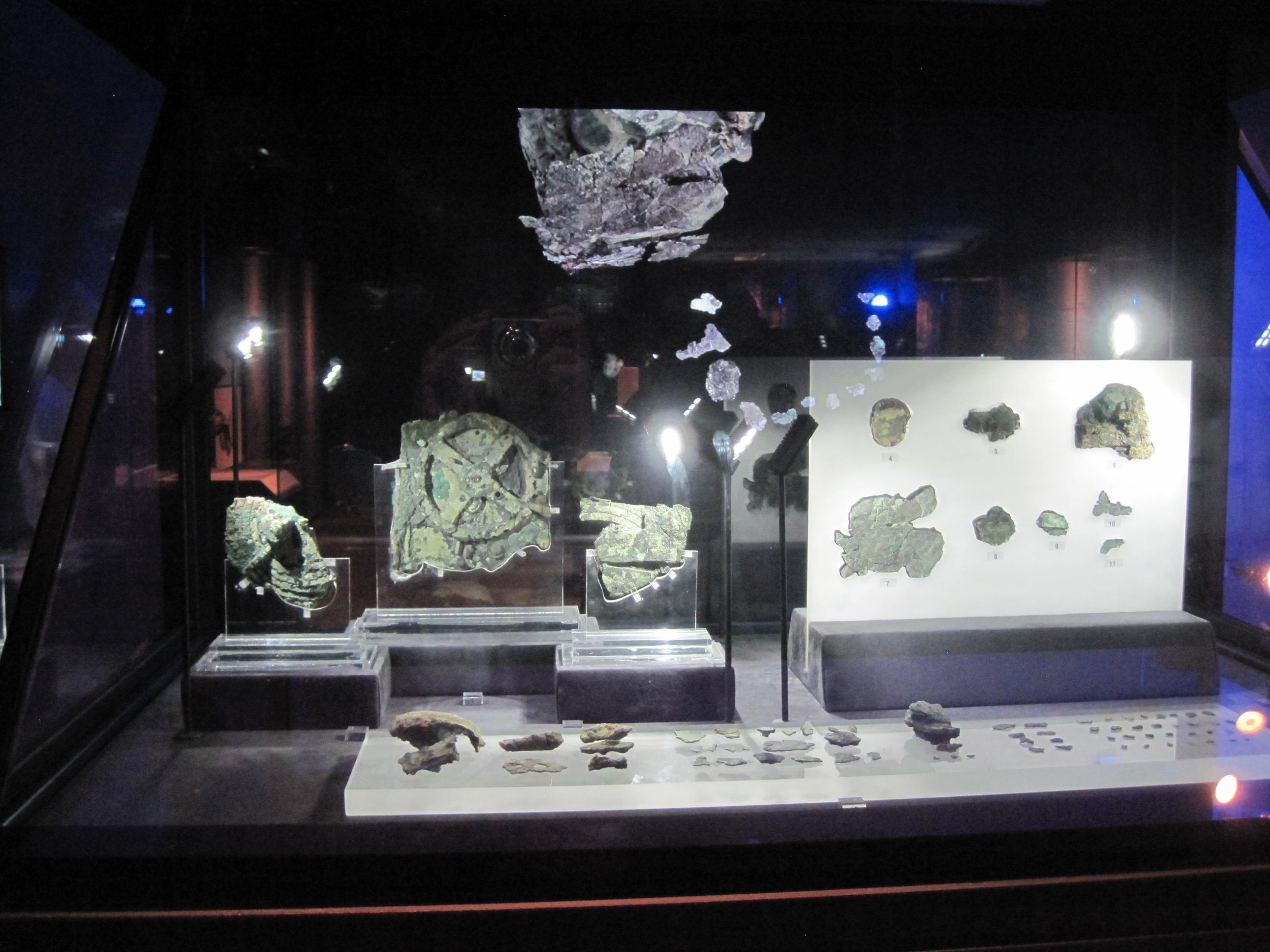
The ancient computer

The ancient computer

Rick Steves City Walk – We followed the Rick Steves walk of the main downtown area to get a feel for the more modern parts of Athens. The tour started at Syntagma Square, and we lucked out in our timing to see the hourly changing of the guard in front of the Parliament building. We then walked down Ermou, the main pedestrian shopping street. The second part of the tour focused on the Greek Orthodox church, so we passed by the main cathedral and a few other churches, plus some stores that sold Greek Orthodox icons. The highlight of the last part of the walk through the Plaka area was a trip through the small neighborhood of Anafiotika. It was built by residents of the island of Anafi, so it has that Greek island “feel” to it.

The Island of Aegina – One of Della’s dad’s priorities for the Greece portion of the trip was to make a trip to an island. We had read that Hydra was very nice, so we decided to make a day trip there on one of our days. We didn’t think we needed to stress about the ferry ticket, so we just showed up the morning of and went to buy our ticket… big mistake. They were sold out! We weren’t quite sure what to do, but the ticket agent suggested the nearby island of Aegina. We decided to just head there and ended up having a pleasant day. We wondered around the back streets, sampled some of the local pistachios and found a beach that we ended up having mostly to ourselves. The archaeological site was closed for renovations, which was a bummer, but we could still see the lone remaining column from the Temple of Apollo from our beach. We rounded out the day with a seafood meal sitting next to the ocean, then caught the ferry back into Athens.

Where We Ate

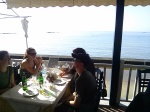
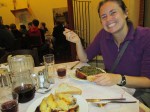
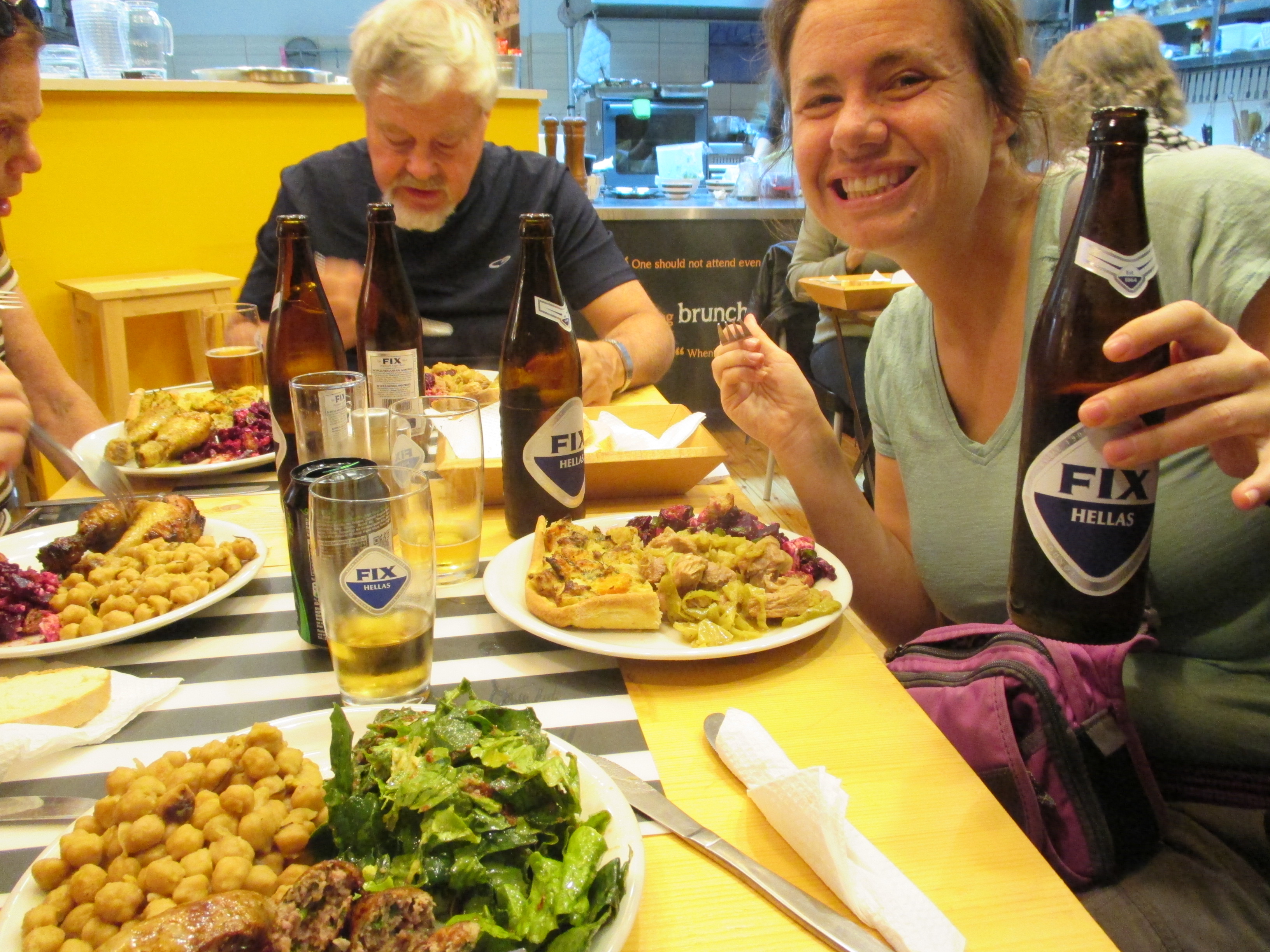
The best restaurant we ate at by far was a little restaurant hidden away north of Omonia Square called Bread and Roses. The simple menu allowed you to choose a meat dish, a salad and a side (all homemade). Your choices were then prepared in the small kitchen just next to the seating area. The food was the best we had and the variety quite impressive as well (not your standard Greek taverna options). Highly recommended!
IMG_3097

Final Thoughts

We finished up our four weeks in Greece with a whirlwind of activity once Della’s family arrived. The limited amount of time made us feel a little rushed, but we are definitely glad we made sure to see everything that we got to see.

Flashback Friday: La Fortuna, Costa Rica

Flashback Friday is a picture series where we “flashback” to some of our favorite memories- from either our prior travel or from home. We hope you’ll enjoy some of our remembrances!

Our very first international trip together was to Costa Rica in 2011. We weren’t totally sure how our travel styles would mesh! Luckily, it worked out great and that was the beginning of us seriously considering this crazy RTW thing 😋

This picture is of Arenal Volcano in La Fortuna. This is a seriously beautiful and still active volcano! Unfortunately it was very sleepy while we were there!

image

Posted from WordPress for Android

Athens Part 2

We already briefly visited Athens earlier in our trip when we needed to take care of some business. After we finished our tour of the Peloponnese, we wanted to make sure to get to Athens in plenty of time to meet Della’s parents and sister for a trip through Athens and Turkey starting on Saturday the 8th. So, we got to Athens on a Tuesday just to be safe. However, we didn’t want to see the major sights in Athens without the rest of the group, so instead we saw some of the lesser known sights. This post will just describe this pre-family part of the time in Athens.

Where We Stayed

We felt like Airbnb had provided a good value the last time in Athens, so we decided to choose an Airbnb for this stay as well. Unfortunately the place we stayed the previous time was unavailable, but we were able to find another nice apartment near the Panathenaic stadium. Again it was a decent-size studio apartment with a bedroom/living room, kitchen and bathroom. We took advantage of this space to do our own cooking and just relax during most of the evenings.

What We Did

Like we said, we still didn’t want to see the major sights, so we had to do a little research to decide what to see.

Panathenaic Stadium – Our apartment was near this large marble stadium, which was built in 1896 for the first modern Olympic Games. Our Airbnb host told us that there was a back entrance that would be more convenient to use, so we tried that. What we didn’t realize until we got in was that this got us entrance to the wooded park around the stadium, but not the stadium itself. On the positive side, the park gave us great and free views of the stadium. The negative side that we figured out the hard way was that the only way back out was the secret way in. Instead, we spent quite a bit of time walking around the park, encountering multiple locked gates. We intended  to pay to enter in the front gate, but by then time was running short so we decided it wasn’t worth it.

Philopappos Hill – Our Airbnb host also recommended climbing to the top of this hill next to the Acropolis near sunset for good views over the city and the Acropolis itself. We headed up just as the sun should have been close to setting… but it was a little overcast so the colors weren’t spectacular. Still, it did provide great views of the surrounding area.

Numismatic Museum / Iliou Metharon – We both read the book Greek Treasure on our trip, which described the exploits of archaeologist Henry Schliemann. In the book, the author described the large mansion that Schliemann built in the city of Athens. When we saw that the mansion still exists and can be visited, we decided to make a trip! It currently houses the Numismatic Museum. We don’t really have an interest in coins, but we figured it would be worth it just to see inside the mansion. We really enjoyed our visit, especially since the mansion is still decorated in the manner that Schliemann designed, with the walls covered with colorful paintings inspired by his finds. The museum also included a nice audio guide, so we ended up learning quite a bit about coins as well.

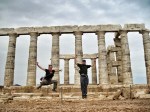
Temple of Poseidon at Sounion – We took a day trip out to the archaeological site at the tip of the Attic peninsula. The star attraction is the Temple of Poseidon, which sits high on the peninsula overlooking the sea. We took a KTEL bus from the station north of the Archaeological Museum, and enjoyed the two-hour ride down the coast. At the site itself, there wasn’t much to read or see, so we just spent some time admiring the views (and finding Lord Byron’s graffiti on one of the columns of the temple). After only a couple of hours, we decided to return home on another KTEL bus that was about to leave: after our KTEL frustrations at Mycenae and Epidavros we decided it was a good idea to catch a bus when we saw one!

Where We Ate

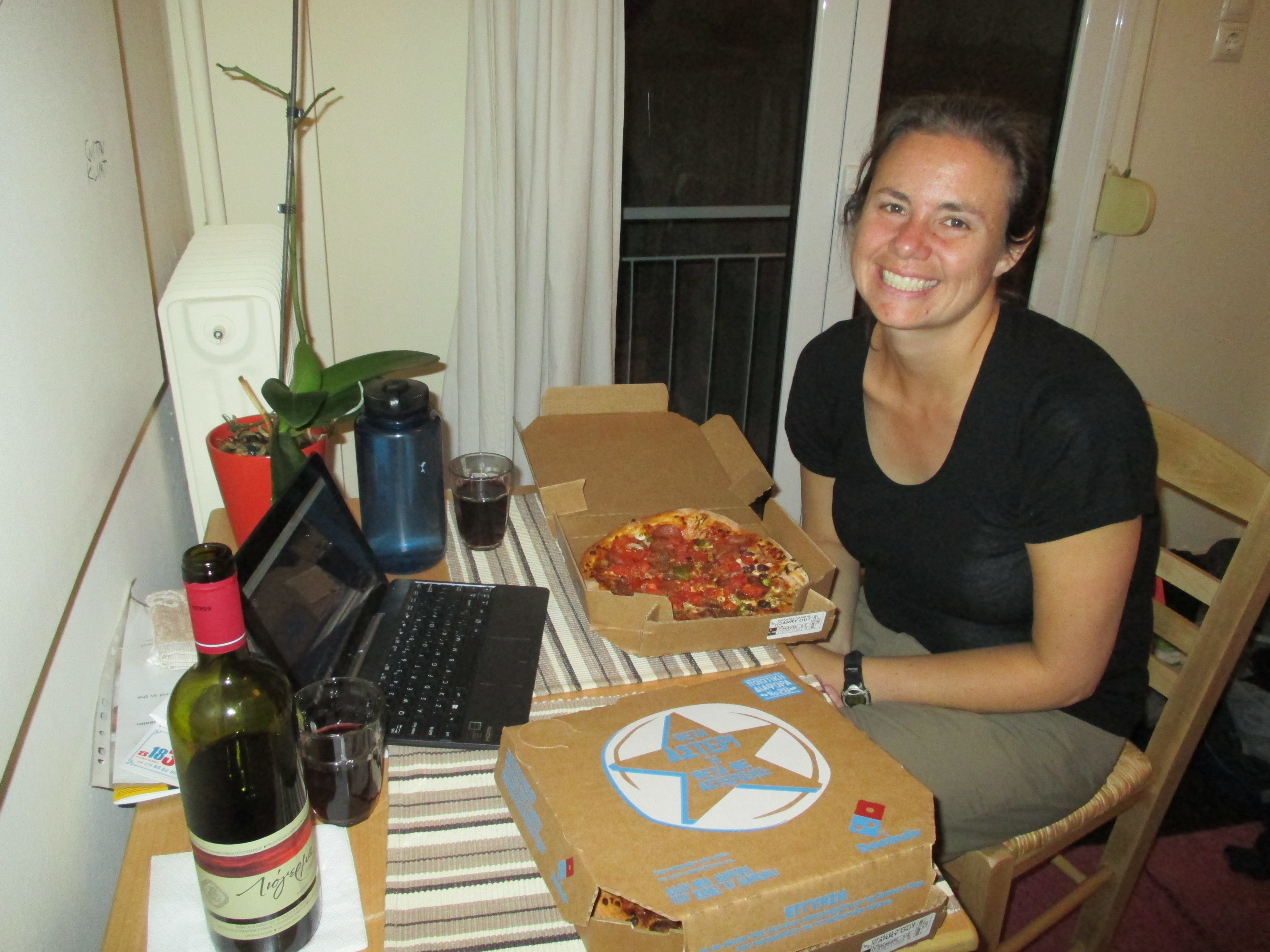
We again took advantage of having a kitchen and cooked a couple of meals. We also went to a local pita place and had souvlaki pitas a couple of times. And, we’re a little embarrassed to admit… one night we saw a Domino’s pizza and we decided to get just a little bit of taste of home. Please don’t judge!
Enjoying some of the traditional local cuisine

Enjoying some of the traditional local cuisine

Final Thoughts

We think we did a pretty good job of seeing some of the second-tier sights in Athens. It was a little tempting to sneak up onto the Acropolis, but we were able to resist until Della’s family arrived in a few days :).
Flashback Friday: Birthdays in the Basement

Flashback Friday is a picture series where we “flashback” to some of our favorite memories- from either our prior travel or from home. We hope you’ll enjoy some of our remembrances!
So, we’re getting pretty close to celebrating Della’s birthday on the road. It is one of a series of special days in fall that we will be missing being at home. So, this Flashback Friday remembers many of the good times we have had celebrating birthdays at our house! Here’s to good fun, good friends, and a LOT of line dances!
image

Luckily, we will have the company of Della’s dad, mom, and sister for her birthday! Yay!!

Budget: Greece

This is one of our Budget series of posts to give you an idea of how much we spent traveling around the world. Here we will look at Greece. Check our posts to see what kind of activities we did and where we stayed!

*Note: We are writing this budget post before we meet Della’s family in Athens. This budget does not include what we will spend with them. Keep in mind, on that note, that it does not include some of the most famous tourist attractions in Athens.

In Greece we used the euro. We converted to US dollars using the current conversion rates at the time of our visit. It was approximately 1 euro to 1.3 dollars.

IMG_20141108_144809~2

Total Spent (24 days): $2277.71

Accommodation: $985.72

We stayed in mostly hotels here in Greece as hostels do not seem to be around much. We also stayed in a couple of Airbnbs. We also got one of those for free due to an Airbnb coupon.

Activities: $143

This included many museums and ancient archaeological sites and 1 Zumba class.

Alcohol: $46.93

Our alcohol category does not include alcohol that we buy with food. We bought several bottles of wine and some Greek liquor.

Food: $595.64

Food here felt a lot more expensive than Albania. We ate out occasionally, though many times we brought stuff back to our hotel room to eat/cooked at our apartment.

Miscellaneous: $68.84

This included a large trip to the laundromat, a semi-large souvenir, some postcards and mailing them, some toiletries and other necessities.

Transportation: $437.58

This is a big one here. We traveled exclusively by bus (though ended up having to take 2 taxis due to buses not running where/when we thought they would). We stayed in 7 cities in Greece and had to travel between them, sometimes taking multiple expensive buses in a day. We also did day trips to archaeological sites by bus.

This divides out to $94.90/day which is (just barely) under our $100/day budget. Phew.

In case you are curious, we have done an average over the course of our entire trip and have come to $105.85/day. We are excited about this because it has come down every month (given that we started with our safari and over $200/day). Hopefully as we head to Asia in the next months, we will go even lower and end the trip under budget! 

Nafplio, Greece

Our final stop in the Peloponnese peninsula of Greece was the town of Nafplio. We chose to visit here because it made a good base to visit Mycenae and Epidavros and because it is a pretty interesting and historic town in its own right.

Where We Stayed

Since we were staying for five nights, we wanted to stay someplace that would allow us to cook a few meals on our own. So, even though it was a little more expensive than we are used to staying, we booked a nice studio apartment through Airbnb. It was nice and spacious and was located not too far from the Old Town.

Taking advantage of having our own kitchen!

Taking advantage of having our own kitchen!

What We Did

Day Trip to Mycenae

Day Trip to Epidavros

Walking Tour of Old Town – As we said, Nafplio has quite a bit of interesting history. Our first day in town, we spent a few hours following the Rick Steves self-guided walking tour. This started out near the harbor, where we could admire the small fortress outside the harbor and also the large Palamidi Fortress looming above the town, both built by the Venetians during their occupation of the town.

The tour took us through the main square, called Syntagma Square. This square is interesting for the variety of different influences you can see as reflected in the buildings: the old Venetian arsenal, a bank that is decorated like a Minoan palace, Neoclassical buildings from Nafplio’s heyday as the first capital of Greece after independence from the Ottoman Empire, and former mosques from the Ottoman period itself.

The walk continued on through the pedestrian-only streets of the Old Town. We felt a bit like we were back in Croatia, since that was the last time that we had been in cities with that feature. But, we could definitely tell we were in Greece, since we passed a few different Greek Orthodox churches. The most interesting church that was passed was noteworthy because the first president of Greece (after its independence in 1828) was assassinated outside of it in 1831.

Climb Up Palamidi Fortress – We took an afternoon to visit the largest of Nafplio’s Venetian fortresses, which doesn’t have much in it but provides excellent views of the surrounding area. You can take a taxi up to the fortress at the top of the hill, but we decided to climb the steps. We didn’t start heading up until 2:00… and were disheartened when we saw a sign at the base that the fortress was closing at 3:00! We raced up the stairs and made it at about 2:30. The good news was that admission was free since it was the first Sunday of the month. We just had time to explore one of the seven bastions, but were quite impressed with the structure. (We think they should film Game of Thrones here!) We were kicked out at 3:00, but we found a piece of the walls that was outside the gates to sit on, and read our books while looking down over the Old Town.

Coastal Walk – Another simple activity we chose to do was to walk along the coast. This was broken up into two sections: first we left from Old Town and walked along the western edge of the peninsula to the pebbly Arvanitia Beach. From this beach, we then took a gravel path another few kilometers, going further southeast along the coast. We headed back into town as the sun set.

Where We Ate

We enjoyed cooking in our Airbnb so much that we ended up just cooking for ourselves every night! We made some interesting pasta and rice dishes. We also enjoyed appetizers of tzatziki and pita bread on multiple nights.

Enjoying a nice meal in our apartment

Enjoying a nice meal in our apartment

Epidavros, Greece

As mentioned in our last post, we spent several days in the town of Nafplio in the Peloponnese. One of the side trips we took was to the ancient city of Epidavros.

Getting There

KTEL runs a bus from the bus station in Nafplio to the Epidavros Theater which is the entrance to the ancient site. We tried really hard to confirm the existence of all buses to and from the site and were assured that all of the buses on the schedule would run as indicated. We had also heard that bus did not actually run all the way to entrance to the site in the winter off-season but that it would stop 1.5 km away at a tavern on the road. When we arrived at that tavern, we tried to get off, but the bus driver shooed us back on saying that he would take us all the way there. Upon arriving at the entrance to the site, we confirmed with the driver that a bus would return to that exact spot to pick us up at 3:45 pm. No problem, right?

The Theater

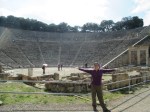
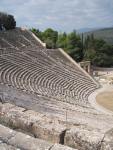
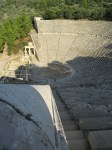
The ancient theater is the main attraction at Epidavros. In fact, most guide books say that it is really the only reason to go there. And, it was magnificent, though we did enjoy the rest of the site as well. It is the best-preserved of all of Greece’s ancient theaters. To top that off, it is huge! And the acoustics are amazing. When you stand in the middle of the orchestra, you can hear how well your voice reverberates through the theater. Our guide book told us that you can drop a coin in the center of the orchestra, you can hear it even at the very top of the theater (which can seat around 15,000 people). We now know that is true!


The Sanctuary

While the theater is by far the main attraction at current day ancient Epidavros, the rest of the site was really more important in the past. The area was once a famous healing center. It started as a temple to Apollo, worshiped here even before the ancient Greeks, during the Mycenean times. Eventually, it became more of a site to worship Apollo’s son Asclepius (he was supposedly born at the site), the god of health. During its heyday it hosted full medical facilities.

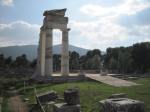
We saw the ruins of what was probably an ancient hostel or hotel where patients stayed while they were getting treated. There was also the Temple to Asclepius where people prayed for his healing powers. Most interestingly, there was also the remains (partially reconstructed now) of the abaton, where patients would come to sleep, hoping to be visited in their dreams by the god Asclepius where he would tell them how to heal themselves. We debated on taking a nap there, but decided we didn’t have time!

The site also boasts many other ruins, ancient baths, a sanctuary to the Egyptian Gods of healing (demonstrating the connections in the ancient world), and a tholos (use unknown). There was even a stadium for the Festival of Asclepius which was the site of athletic competitions every 4 years (much like the sites of Delphi and Olympia).

IMG_2872_edt

IMG_2879_edt

The Museum

As with most of the archaeological sites we have visited, there is a small museum. This one was only 3 rooms and didn’t have a ton of English signage, but it did house steles describing the healing practices in use at the site, miraculous cures due to Asclepius, ancient medical tools, and many statues which were taken from the temples of the site.

IMG_3363

partially reconstructed temple

IMG_3362

Asclepius. The snake looks familiar when you think about doctors, huh?


Getting Away

We had been really careful this time, confirming over and over again that there would be a bus to take us home at 3:45… We had been a little unprepared and hadn’t realized that the site closed at 3 pm. They actually ended up having to kick us out… oops. So we went back to the entrance to read and wait for the bus. We met a fellow traveler who had ridden on the bus with us that morning and chatted for awhile.

Of course, 3:45 came and went without any bus. We waited about 30 min and decided that we had been deceived by KTEL again. We were livid, and a little concerned because the site was closed and this time, there were no taxis to be found. We were just starting to try to formulate a plan, which probably would have involved walking several km back to the last town we had passed, when a car pulled up. We watched the two travelers get out and head up to the site. We didn’t really know what they were doing since the site was closed, but assumed that they did. Finally, Della decided to walk back into the site and hope that there was someone around to give us some information about how to maybe call for a taxi or where we might walk to get some transportation. She ran into the two travelers who were coming back from the entrance, disappointed that they had arrived too late to see the site. Della cut to the chase (she didn’t really feel like she had time to make friends first) and asked for a ride. Luckily, the couple was heading to Mycenae which would at least take them back in the direction of Nafplio. They took us almost all the way, dropping us off only 4 km from town. We were fortunate to have another lucky break with friendly fellow travelers… And we really want to know how we can get back at KTEL!!!!!!!!

Flashback Friday: African Sunsets

Flashback Friday is a picture series where we “flashback” to some of our favorite memories- from either our prior travel or from home. We hope you’ll enjoy some of our remembrances!

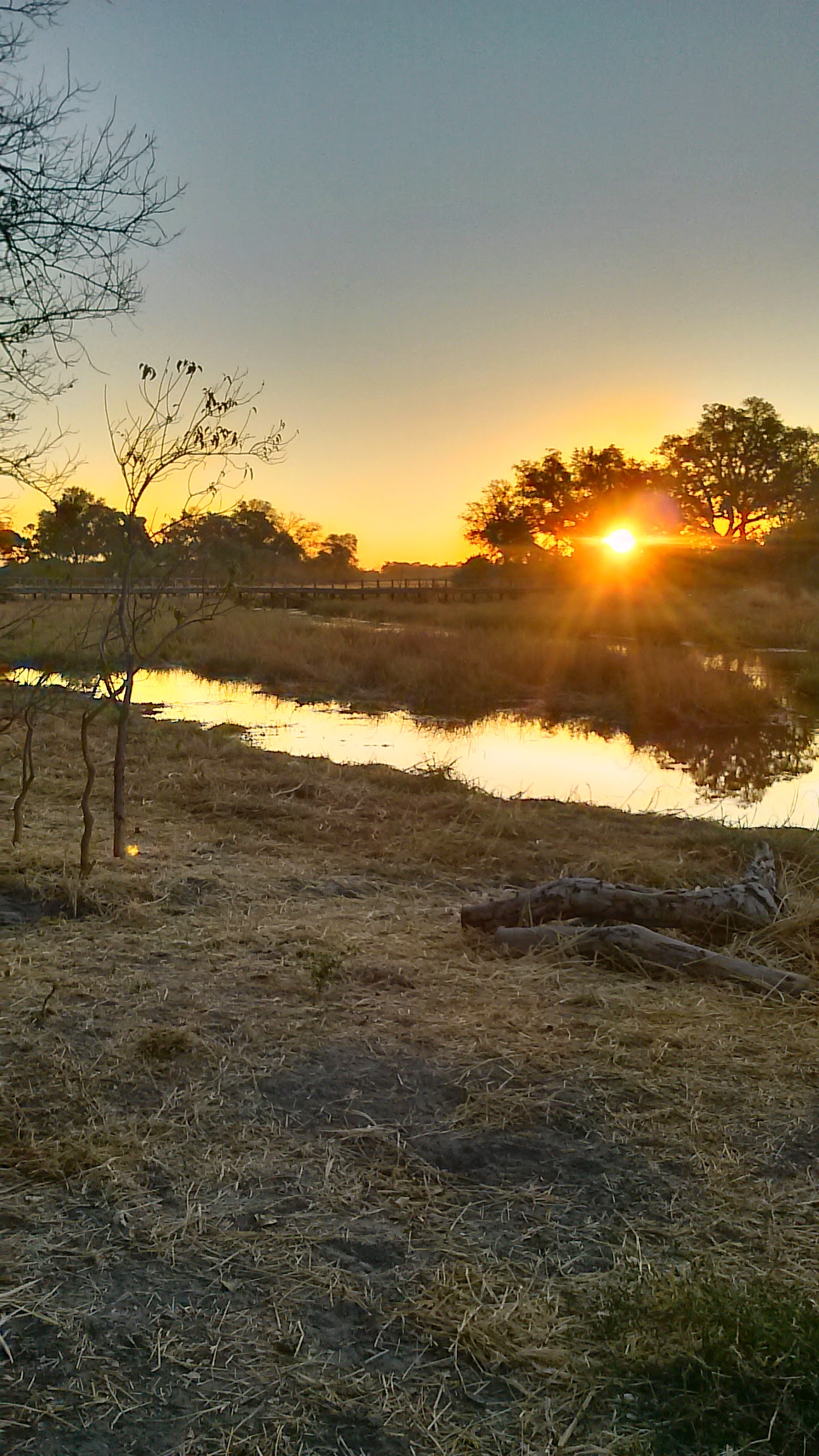
One of the many things we miss from our time in Africa was the amazing sunsets. Every single night of our self drive safari would serve up an absolutely gorgeous, colorful sky.

So, we decided to dish up some of that sunset porn just for you on a new photo post.

image

Khumaga Camp, Botswana

image

Sunset over the Okavango, Savuti Camp, Botswana

image

Sunset over the Okavango, Chobe Safari Lodge, Botswana

image

Sunset over the Halali Waterhole, Etosha National Park, Namibia

image

Sunset over the Halali Waterhole, Etosha National Park, Namibia

image

Namibia

image

Solitaire, Namibia

image

Solitaire, Namibia

image

Solitaire, Namibia

image

Quiver Tree Forest, Namibia

image

Posted from WordPress for Android

Mycenae, Greece

Our final stop in our tour of the Peloponnese was the city of Nafplio. We spent multiple days here, so we’re going to break up our activities into multiple posts. The first activity we did was a day trip to the archaeological site of Mycenae. This site contains the palace and tombs of this culture that pre-dates what we normally think of being the “ancient Greeks” by more than 1000 years!

Getting There

Conveniently, KTEL runs a bus from Nafplio to the entrance to the archaeological site. Since we tend to spend quite a bit of time at sites, we caught the 10:00 bus to give ourselves plenty of time. The bus was on time and got us to the site by about 11:00. So far, no KTEL drama.

The Citadel

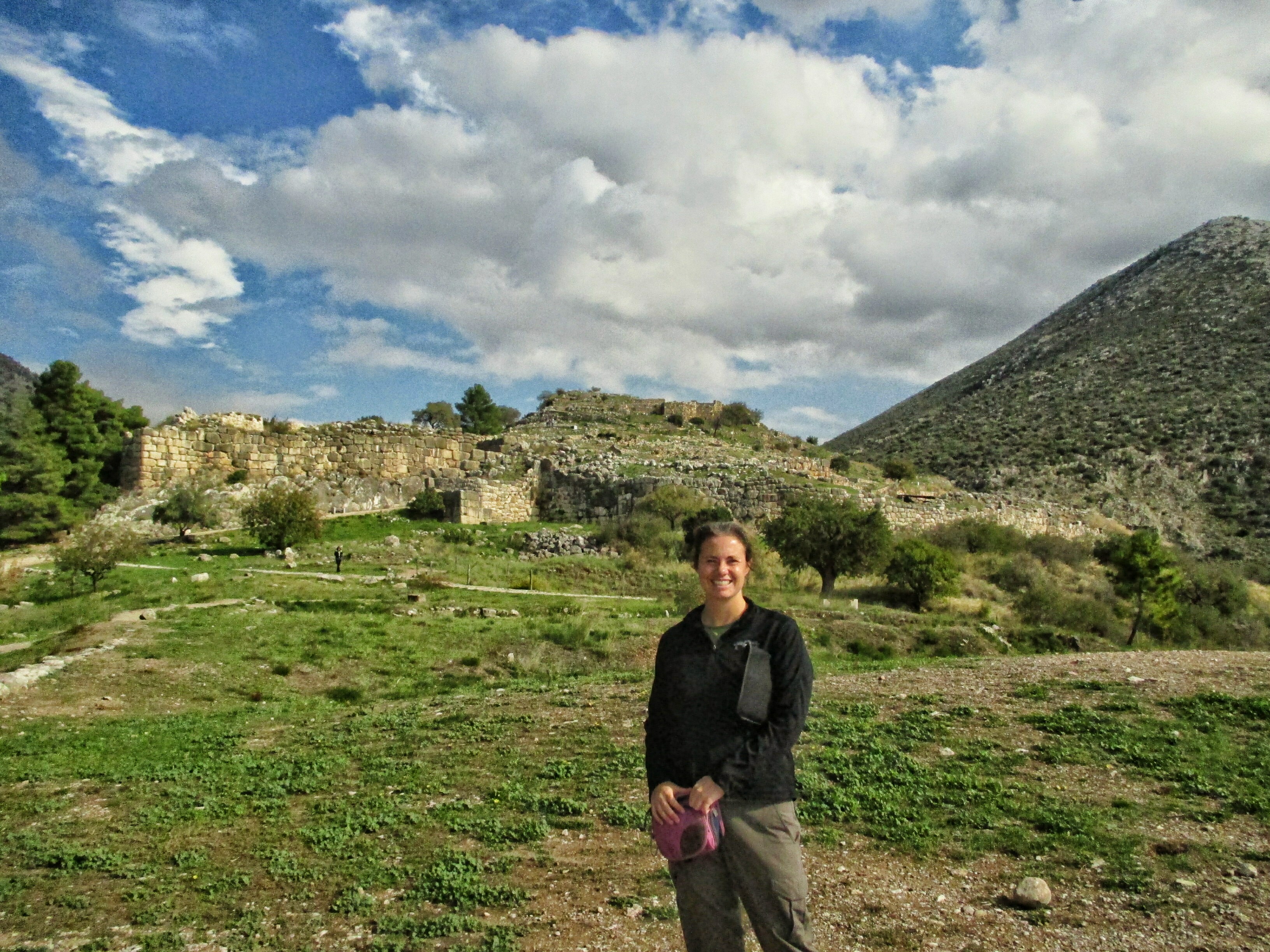
The citadel of Mycenae

The citadel of Mycenae

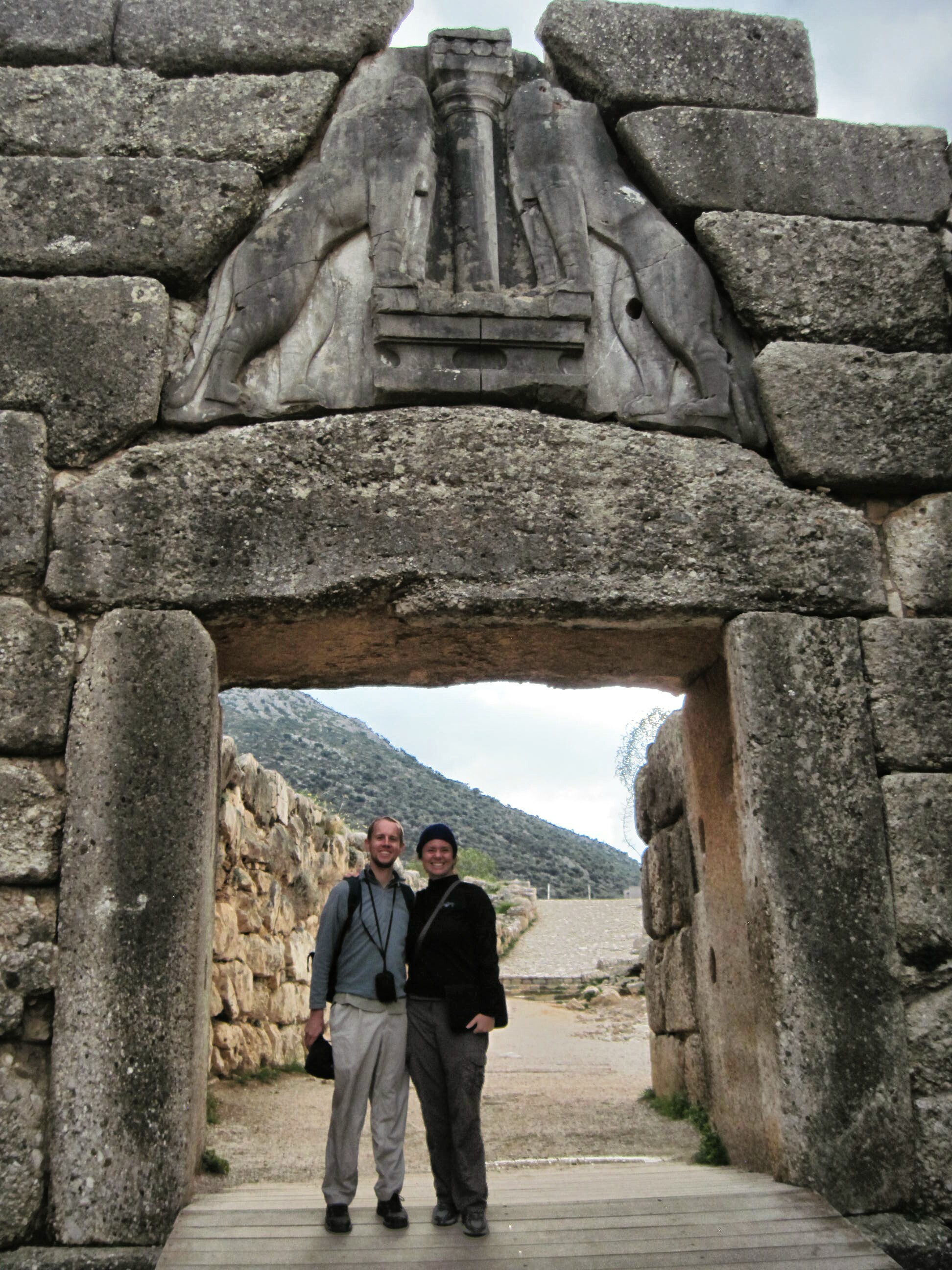
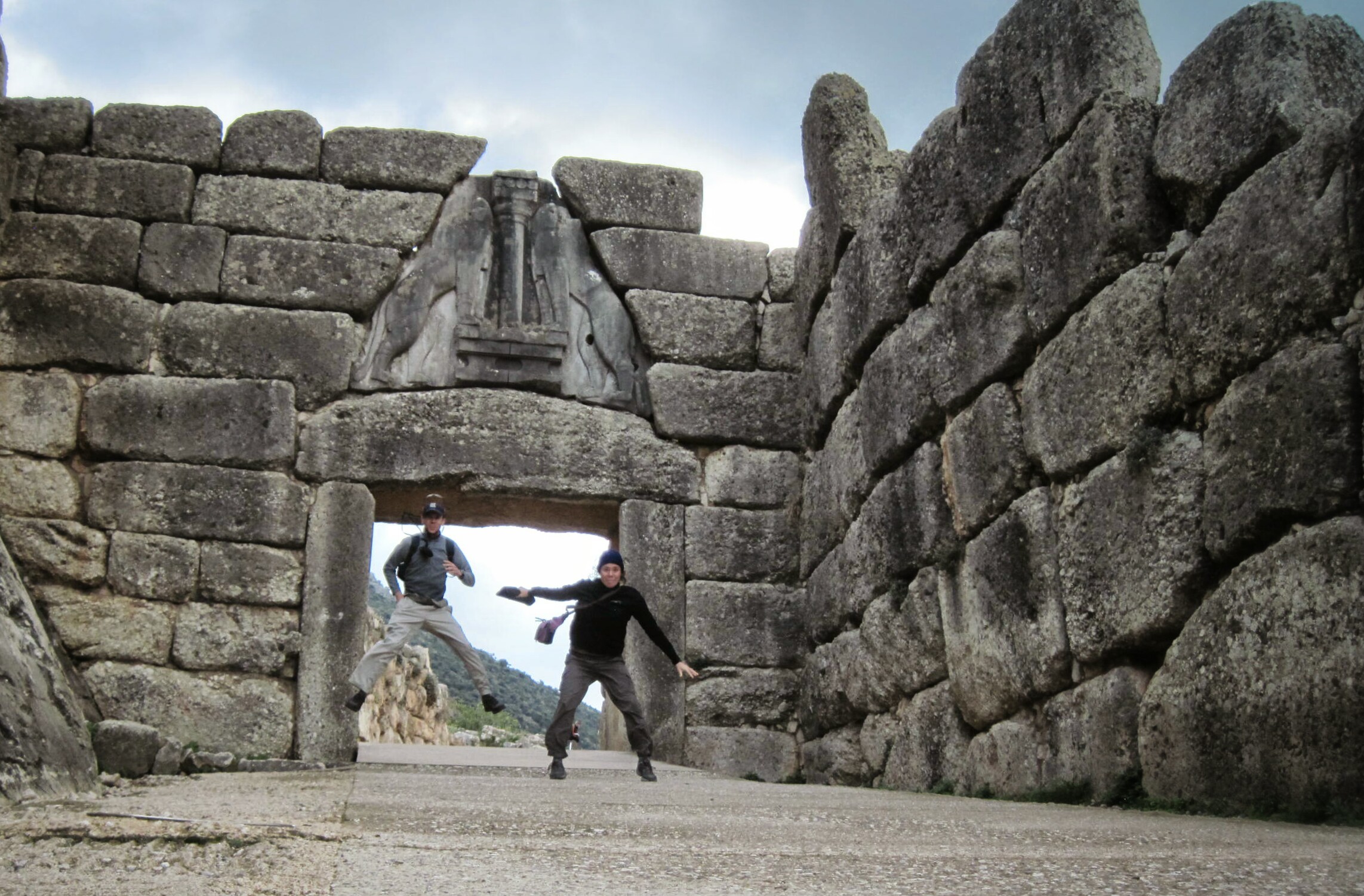
The highlight of the archaeological site is the palace of Mycenae built on top of a hill with views looking out over the valley. To enter the site, you go through the famous “Lion Gate,” named for the decoration above the entrance. This was also our first chance to get a close view at the massive blocks that made up the “Cyclopean” walls that surround the structure.

The Lion Gate

The Lion Gate

Lion Gate Jelfie

Lion Gate Jelfie

Inside the gate, we found “Grave Circle A.” We were excited to see this because we had read about its excavation by Henry Schliemann in the book Greek Treasure. He believed that Mycenae was the home of the civilization that sacked the city of Troy during the Trojan War (using the Trojan Horse), and that this grave must have been the grave of King Agamemnon, the leader of the Myceneans described in Homer’s Iliad. Currently, the evidence seems to disagree with this being Agamemnon’s grave, but it does seem to indicate that this site is the home of a civilization that defeated Troy.

Grave Circle A

Grave Circle A

At the top of the acropolis, there aren’t many structures left, but we were able to see the outlines of the ancient palace, built in the structure of a traditional megaron. We were a little disappointed that we could only see this from a distance.

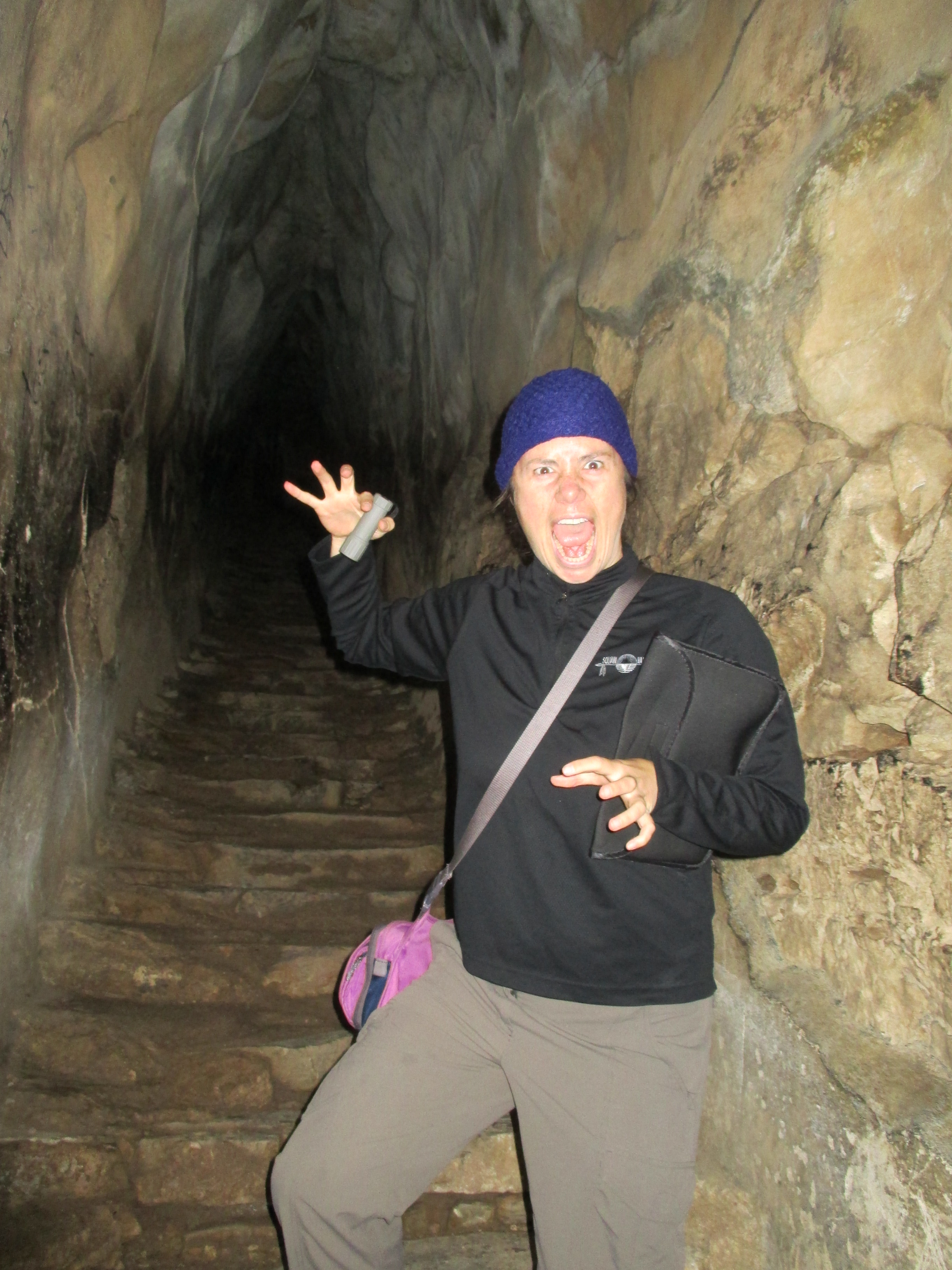
At the east end of the site, we saw an entrance that led to an underground well. We like caves, so we decided to explore. We did have a flashlight along, which came in handy as we descended the 77 steps down into pitch black darkness. It was actually Halloween, so we were a little nervous that we would encounter some scary creatures. But, we aren’t in a horror novel and we made it out safe and sound!

Sure, let's check this out. What could possibly go wrong?

Sure, let’s check this out. What could possibly go wrong?

Boo!

Boo!

Back on the surface, we walked through the ruins of a few more residential buildings and then headed out the North Gate.

The North Gate

The North Gate

The Museum

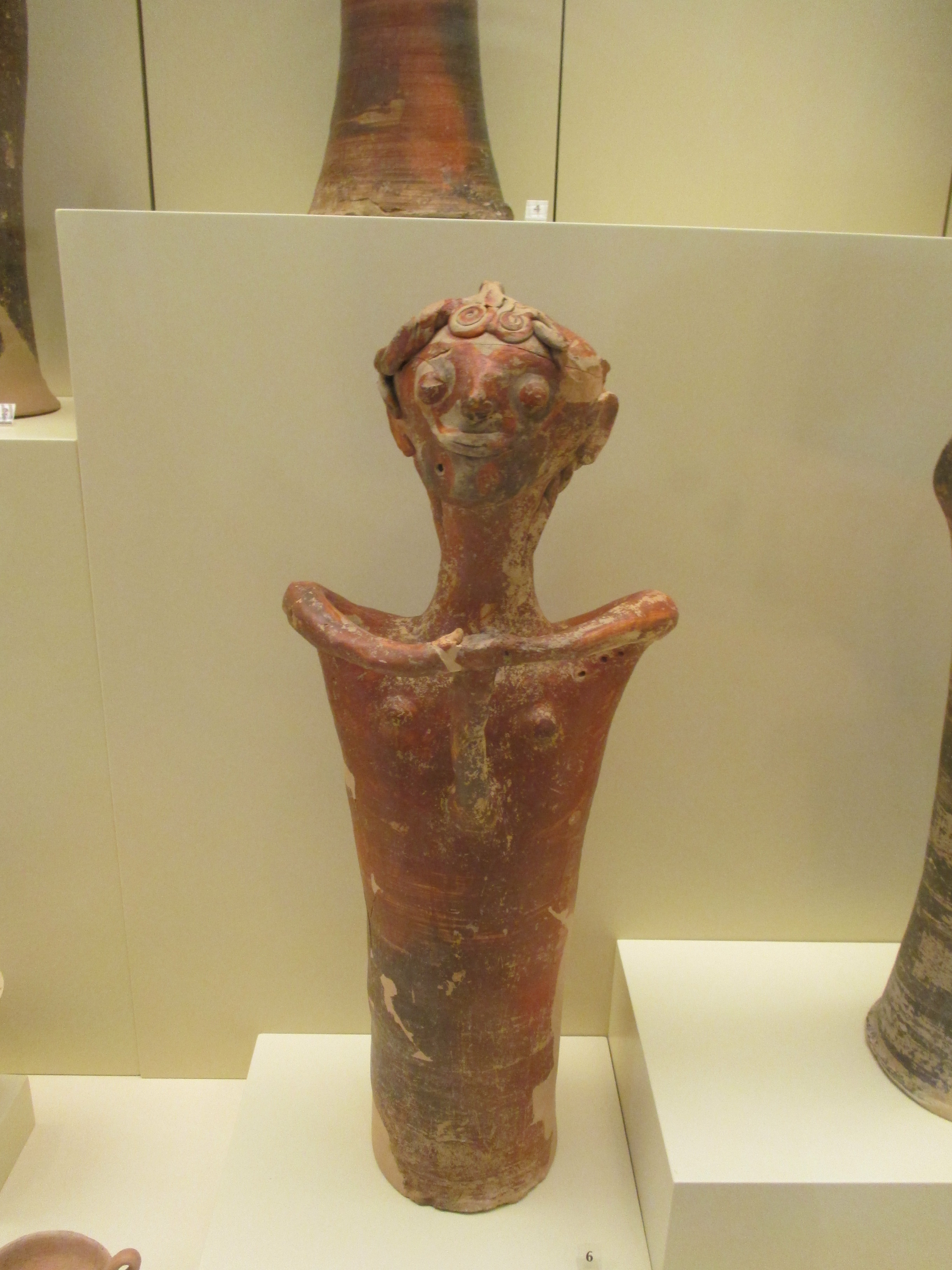
Like all of the other sites in Greece, Mycenae has an archaeological museum at the site. The Myceneans didn’t leave behind any amazing sculptural relics like the ancient Greeks, so the museum was a little light on content. But, it did provide a nice glimpse into the culture of these people that pre-dated the ancient Greeks.

One of the figurines found in Mycenae

One of the figurines found in Mycenae

The Graves

Outside of the main walls, archaeologists have uncovered a number of large tombs, called tholos tombs. These tombs are also called beehive tombs based on their structure: they are built with large, domed interiors. Some of them have lost their roofs, but two of them are still intact, including the largest, which is called the Treasury of Atreus. The entrances to these tombs are also built using the giant boulders, so it is fascinating to imagine how they managed to put it all together. We were also very intrigued by the acoustics inside of the beehives themselves.

Getting Away

The KTEL timetable clearly stated that there was a bus at 1:00 and 3:00 leaving from the site. Since, as we mentioned, we like to take our time, we didn’t rush and aimed for the 3:00 bus. We were a little worried because a taxi driver at the entrance had implied that the 1:00 bus was the last bus, but the bus driver that dropped us off said there would be a 3:00 bus.

We were in position by about 2:30, and waited… and waited… Till about 4:00… There were a few other people waiting as well, and everyone was pretty frustrated. One group pitched in to get a cab, but there wasn’t room for us. We were stuck there with one other traveler, who turned out to be a fellow American. Luckily, he had a local friend who graciously offered to pick us up and take us back to Nafplio. We aren’t sure what we would have done if she hadn’t agreed to take us as well!

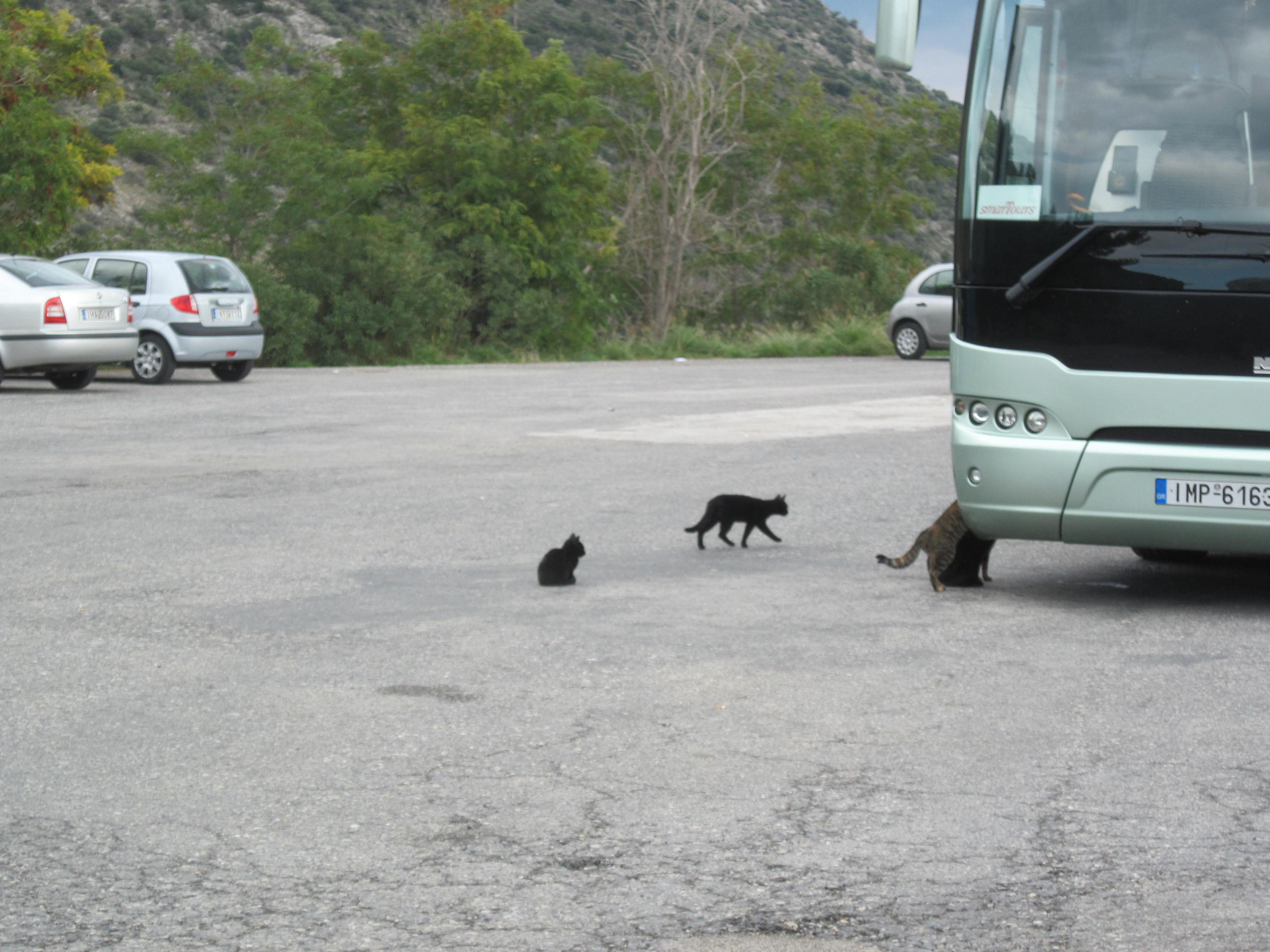
These cats were able to catch a bus at the site faster than we were,

These cats were able to catch a bus at the site faster than we were.

Sparta, Greece

THIS… IS… SPARTA!!

Most people in our generation probably think of the movie 300 when they hear Sparta, and think of this famous line from that movie. Sparta was our second stop on our trip through the Peloponnese, and while it isn’t very much like the movie, we did quite enjoy it.

This is Sparta! No, really, this is actually the historical site of Sparta. And the modern town of Sparta beyond.

This is Sparta! No, really, this is actually the historical site of Sparta. And the modern town of Sparta beyond.

Getting There

We knew that getting to Sparta from Olympia would be challenging, but do-able. While we were in the town of Pirgos on our long trip into Olympia, we confirmed that we would need to connect through the town of Tripoli. The worker also told us that there was a 12:15 bus that would do just that.

Armed with that knowledge, we decided to take a bus from Olympia back to Pirgos at 9:30, just to be safe. We got to Pirgos at about 10:30 and went to buy the 12:15 ticket… and were informed that the next bus that would be going to Tripoli was at 3:30. In fact, no one seemed to have any idea about the supposed 12:15 bus. When we asked, repeatedly, the answer was “The next bus is 3:30.” We were pretty bummed, but there wasn’t much we could do about it. So, we spent five hours in the Pirgos station reading and working on the blog (at least there was free Wi-Fi).

When we got to Tripoli at 6:10, we were pretty excited because we heard that the bus to Sparta was leaving at 6:15. Finally, a quick connection! We bought the ticket, and went outside and waited… and waited. Finally around 6:45 the bus pulled in. But, in broken English the driver told us that we should just wait for the next bus that was coming in 10 minutes or so – looking closer it seemed that maybe the bus was full. It was a bit confusing because he did let other people on the bus. But, it was the same answer for us and another couple of backpackers… The bus pulled out of the station and we weren’t on it. Needless to say, we weren’t pleased.

We had just started to settle back in when we saw the bus driver run back into the station on foot. The ticket saleslady starting yelling at him, pointing at us and the other couple. The driver motioned at us to follow him, so we walked briskly out onto the side of the highway, where we dodged traffic to throw our bags under the bus. We got on the bus and discovered that it indeed was full. We found a spot near the rear exit where we could sit semi-comfortably in the aisle. Della did get a seat offered to her by someone halfway through, and ended up having a pleasant conversation.

So, another frustrating trip on KTEL. There are more stories like this coming as well…

At the Pirgos bus station... we spent so much time here that we probably should have listed it under "Where We Stayed"

At the Pirgos bus station… we spent so much time here that we probably should have listed it under “Where We Stayed”

Where We Stayed

Since we were a little unsure about making it all the way to Sparta, we didn’t pre-book anything. In general, there wasn’t even that much in Sparta listed on websites like hostelworld or Booking… Sparta just doesn’t seem to be on the tourist radar as much. Lonely Planet did list one budget option which didn’t even have a website, so we decided to just show up at it and hope they had space. Luckily, the Hotel Apollon did have space and turned out to be a nice place to stay. We had a spacious room, and a pretty substantial included breakfast every morning. The front desk staff was also very helpful with any questions we had.

What We Did

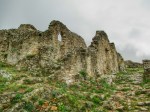
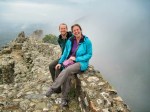
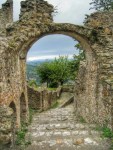
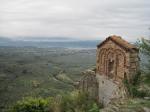
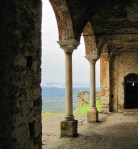
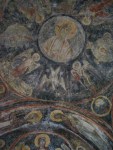
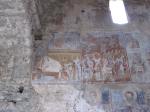
The most renowned site in the Sparta area is not actually the ruins of the ancient Greek civilization, but rather the ruins of the medieval fortified Byzantine city of Mystras. The city is built on the side of a mountain just 5 km away from Sparta. Normally you can take a bus to Mystras from Sparta, but the day we wanted to go was a Greek national holiday, so it didn’t seem like buses were running. Instead, we ran into the same couple that was almost left on the bus from Tripoli to Sparta, and we agreed to share a cab to the site. The cab dropped us off at the upper entrance – highly recommended since it makes it easy to walk down through the ruins. We did just that: started at the ruins of the castle at the very top, then worked our way down, visiting monasteries, the palace, and residences on the way down. The monasteries were both abandoned and active with some old but well-preserved frescoes that gave a glimpse into the Greek Orthodox culture as it existed during the late Byzantine period. Mystras is considered as one of the last remaining centers of Byzantine culture until the empire fell in the 15th century. We got particularly lucky, the day we visited, the site was free! That was exciting after having to pay for a cab to get there… and back. After visiting the site, we were able to get a cab with our fellow travelers back to Sparta from the lower entrance.

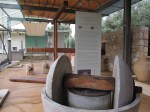
Back in town, we took a visit to the Museum of the Olive and Greek Olive Oil. It may not sound interesting, but we found it fascinating. The top floor of the museum gives the history of the olive and discusses how it and its oil can be used for a wide variety of purposes: food, light, rituals, etc. The lower floor discussed all about how to make olive oil, and had examples of the different machinery that has been used to make the oil from ancient times until the present.

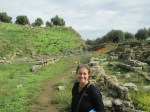
We did decide to visit the ruins of ancient Sparta, but as our guidebook warned, there isn’t much remaining. The Spartans were much less interested in building temples than they were in training warriors. Just north of town, there is a small site that you can wonder around in free of charge. There are the ruins of a theater, and some scattered remains of structures from the acropolis on top of the hill. It does take some imagination to appreciate them, but the site does also provide some nice views of the surrounding valley and mountains.

Where We Ate

After being in the artificial town of Olympia, it was kind of nice to be back in an actual town where it seemed that real Greeks lived and the shops and restaurants were not geared to tourists. However, the first night we did end up eating in a restaurant in which every other table was filled with tourists (a group of British high school students on a school trip). The second night was the national holiday, so all of the sit-down restaurants were packed with celebrating locals and we just chose to eat in a less-crowded Greek fast food place. Our final night in town we ate at the Lonely Planet-recommended Tsipouradiko. This was our first experience at a place without an English menu, but luckily the waiter was able to recommend a meatball dish that we ended up enjoying quite a bit.

Final Thoughts

If you go into Sparta expecting to see sights from the movie, you will be sorely disappointed. Since that wasn’t our expectation, we enjoyed seeing the sights that the town did have to offer. And we appreciated the chance to be in a city that wasn’t just a tourist attraction as well. The weather was a little gloomy for us to completely love our time, but we definitely enjoyed our visit and would recommend it for your Peloponnese itinerary.