We’ve Finished our RTW, so What Were Our Favorite…. Drinking Experiences?!

We’ve finished our RTW trip. We get a lot of questions about our favorite things on the trip. We’ve decided to start a new series called “So, What Was Our Favorite…” We visited 29 countries on our RTW: Egypt (just 1 day), South Africa, Botswana, Zimbabwe (just 1 day), Namibia, Germany (just 1 day), Czech Republic, Poland, Slovakia, Hungary, Croatia, Slovenia, Bosnia Herzegovina, Montenegro, Albania, Greece, Turkey, Ireland, USA, Myanmar, Singapore, Indonesia (just Bali), Cambodia, Laos, Thailand, Vietnam, Hong Kong, Macau, and Nepal.

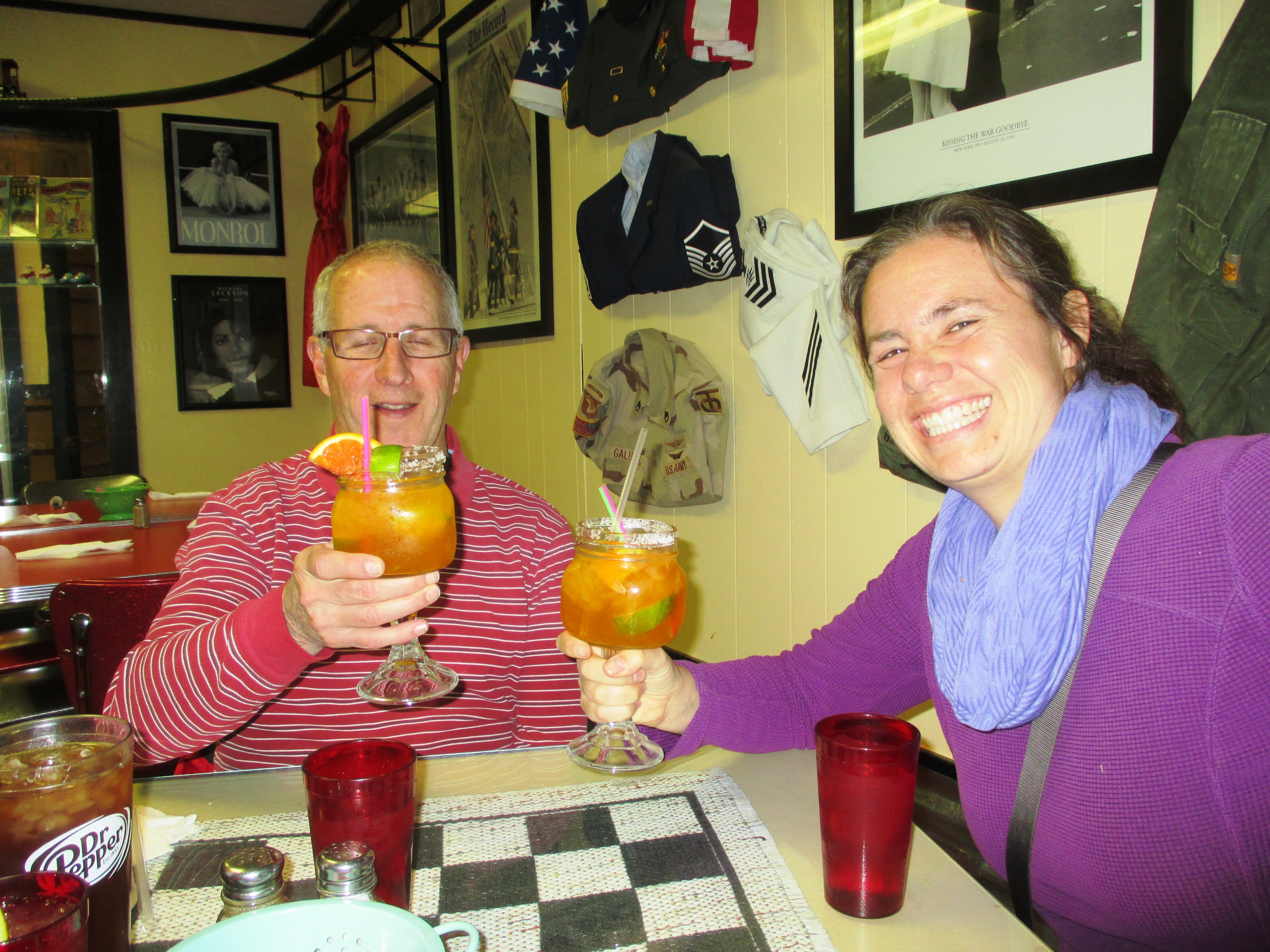
As many of you know, we are not really big partiers- but we definitely like a good drink/drinking experience. As we traveled around the world, we tried as much of the local alcohol as we could, but there were a few “drinking experiences” that really stood out. These were times that we remembered best for being somewhat alcohol centered, however, we think you’ll notice that often it wasn’t just the alcohol that made the experience so memorable.

This edition looks at our top 10 favorite “drinking experiences” around the world. These are not in order from best to worst. They are just our top 10 favorite in the order in which we visited them.

Chobe Safari Lodge, Kasane, Botswana

For three nights on our self-drive safari, we stayed at Chobe Safari Lodge in Botswana. The campsite itself was a little substandard. But the benefit was that we were less than 100 feet from a bar overlooking the river, where we spent multiple afternoons drinking beers and watching elephants graze. The sunsets were gorgeous and we enjoyed some local beer. The beers themselves weren’t wonderful, mostly pretty boring lagers, but the setting and sights were awesome!

Groot Constantia Wine Estate, Cape Town, South Africa

We visited here during our city sight-seeing tour in Cape Town, and we wish we could have spent the whole day there! It is the oldest wine estate in South Africa. It was started in the late 1600s by members of the Dutch East India Company. It took awhile but it then began to compete with all the fine wines in Europe and has continued to make excellent wine since then. We took the cellar tour and participated in a delicious wine tasting. We then wandered the vineyard and explored the historical buildings. The location was lovely and historic and we felt like we had a nice connection because we had just read James Michener’s Covenant which was about the history of the Cape and we had learned about a similar winery in the story. Definitely an enjoyable day!

Valley of Beautiful Women, Eger, Hungary

Just over the hill, about a 25 min walk from the Old Town of Eger, is the Valley of Beautiful Women. We’re not sure why the name, especially because we saw almost no one in our time in the valley. It was a miserably rainy day. But, the bad weather didn’t deter us from our reason for visiting Eger: the ~ 50 wine cellars all right next to each other, clustered in the valley. Tastes are free and glasses were as reasonable as 100 forint (about $0.50)! We really enjoyed striking up a conversation with a bored Hungarian working in the first cellar. We chatted about wine, Hungary, language, and her life. We also enjoyed trying the Eger special wine: Egri Bikaver or Bull’s Blood. The wine gets its name because in 1552, the people of Eger withstood a siege by the Ottoman Empire for a month. 2000 men from Eger against 100,000. They held! The king Istvan Dobo helped his troops by giving them wine which stained their beards red. This lead to rumors through the Turkish army that the men of Eger were so strong and vicious because they were drinking the blood of bulls! Every cellar has their own variant of this famous Eger wine. They also will fill up a plastic bottle of wine for cheap prices. We filled our 1 liter nalgene bottle of our favorite wine for only 500 forint (a little over $2.00!!) There are many cellars to try, but the rain and the alcohol caused us to only get to 3. We wish we lived close by cause we would go back regularly!

Buza Bar, Dubrovnik, Croatia

Buza means hole in the old Dubrovnik dialect. That’s just what this bar was – a hole in the wall. Literally, you walk through a hole in the city walls of Dubrovnik. The bar was quite crowded, but it was still an absolutely beautiful view out over the ocean. We had a few drinks there at sunset, enjoying our last evening in Croatia. Gorgeous!

Literary Pub Crawl, Dublin, Ireland

This was a new adventure for us! Dublin has a very rich literary history- writers such as WB Yeats, Jonathan Swift, Oscar Wilde, and and James Joyce made Dublin their home. Neither of us knew much about any of these authors, nor had read anything by them. But, Della thought that maybe this would be the perfect way to learn more about them, especially as we were in Dublin… and it couldn’t hurt that beer was involved. We really enjoyed the pub crawl! We went to 4 different pubs throughout the evening. At each one, we enjoyed our guides. They made sure to tell us stories either about the history of Dublin or about one of the many authors that contributed to that history. They also sprinkled in several small performances, either scenes from different plays or books, or from letters from the authors. It was an entertaining way to spend an evening exploring Dublin’s past and Dublin’s beer!

Red Mountain Winery, Inle Lake, Myanmar/Burma

On our first full day in Inle, we rented bikes and headed out of town toward a winery! The Red Mountain Winery is about 5 miles outside of Nyuang Shwe (the main town for Inle which we were staying in). It was a glorious day and we really enjoyed the ride. It was quite a push up the hill to get to the winery, but it was so worth it. You can get a taste of 4 wines for about $2. The wine was OK though not fabulous. We each found one we liked well enough to enjoy a glass of while we nibbled on an appetizer and took in the view. We waited around for the free tour and ended up being the only 2 on it for a little while. It was a short tour and we learned how the winery is quite new, imports most of its plants from France, and has mostly broken machines so they do things like label by hand. The glorious views and lovely day make this a fantastic place for a drink!

A Riverside Bar, Vang Vieng, Laos

Many people talk about the joys of tubing down the river and stopping for crazy party drinking at the riverside bars in Vang Vieng. We weren’t really into that, but on our last day in town, we headed down to the river where there were a few small riverside huts and a small bar with music playing. It was past the crazy, tubing part of the river so it was really quite calm. It also helped that we hung out there during sunset. It definitely felt like spending a day at the beach (without the icky sand and salt!) We had nice shade and shelter from the sun in our bungalow. We took turns going for a quick dip – the water was pretty cold – and relaxed and read our books while sharing a Beerlao. The bar also had some speakers playing Western pop music, many of which we recognized and had fun singing along to. We also enjoyed watching the huge air balloons floating above us as the sun sank down to the horizon.

Beachfront Restaurants, Ko Lanta, Thailand

We had a short time on the beach during our trip to Thailand. (Short was just the right amount of time for us!) We stayed near Khlong Nin beach, which was quiet and restful. There were lots of beachfront restaurants where you could sit and enjoy a drink. We ate many lunches, using the restaurants as sun blocks while we enjoyed our beer and looking out on the beach. Many of the beachfront restaurants offered happy hour deals on beer, which was great since the beach faces west. We took advantage and made sure to find a good seat to watch the sun fade below the horizon.

Sampling Fresh Beer, Hoi An, Vietnam

In Hoi An we had our first chance to sample “fresh beer,” a classic beverage that is unique to the country. The beer is called fresh because it has just recently been brewed and is served without preservatives. It has less alcohol than normal beer and less carbonation, but is very cheap. We paid only 3000 dong (about 15 cents) per glass! It was also extremely hot during our time in Hoi An. Stopping in at a restaurant or stand to enjoy a cheap, quick, and refreshing fresh beer was a great way to cool down and rest out of the heat!

Wine in Our Own Lodging, Anywhere Around the World

In several countries (though most notably: Croatia, Montenegro, Greece, and Hong Kong), the most affordable option for drinks was to buy a bottle of wine (or retsina) and take it home for an evening in. There were many a bottle that we enjoyed while lounging on a balcony of our hotel or in the sunroom of an airbnb that bring back some wonderful memories. There is something special about spending time together, remembering the new and exciting experiences of the day, planning our next moves, and relaxing – with no stress of job (or calories). It’s a freedom we will try to remember often as we restarted our jobs this last week.


Spanish Legacy and Texas History in San Antonio, Texas

After we returned to the US following our round-the-world trip, we had a busy summer visiting family and friends within the country. In the latter part of June, we took a trip down to Texas to visit Eric’s family. We ended up seeing quite a few sights around the state.

One of our favorite days was spent touring the famous Spanish, Mexican and Texan sights in the city of San Antonio. Eric has a cousin who lives in San Antonio and graciously agreed to host us and Eric’s parents while we visited.

Downtown San Antonio

We found a self-guided walking tour online and did a part of it to explore some of the sights of the historic downtown. Based on where we were able to find free parking, we started the tour halfway through and only did the first part (and did it backwards). Some of the highlights included:

  • San Fernando Cathedral – the oldest cathedral in Texas, founded by some of the original settlers of the Spanish colony in San Antonio who were from the Canary Islands (an interesting fact that Eric didn’t know)
  • The River Walk – No visit to San Antonio would be complete without a stroll down the shaded paths by the “river” that runs through town. Though derided by some, it’s still a pleasant magnet for activity in downtown
  • La Villita – We found a nice cafe for a lunch break in this collection of shops and restaurants on the site of a historic village
  • The Menger Hotel – We walked through the lobby of this Victorian building which has seen many famous guests and is still operating today

The Alamo

We ended our walking tour at The Alamo, arguably San Antonio’s and even Texas’s most famous attraction. The site was originally one of the Spanish missions, built as San Antonio de Valero in 1718. By 1793 though, it was abandoned, but then in 1836 it was used by the Texian Army during the Texas Revolution. It was the site of the famous Battle of the Alamo, where all of the Texian defenders were killed when the Mexican Army led by General Santa Ana overtook the fort. The massive losses later served as a rallying cry for the Texians as they won their independence.

IMG_1953

As such, this is a hugely important site in Texas history and a very popular site to visit. Also, surprisingly, it is free to visit. We purchased audio guides to better understand what we were seeing.

Not much is left of the compound from the battle of 1836. The image that most people think of when thinking of “The Alamo” is actually just the chapel building of a much larger complex. It is the main building still standing, so the bulk of the visit is focused there. Since many people died inside, it is treated as hallowed ground.

IMG_1949

Throughout the courtyards of the complex are more informational signs about the Alamo and Texas history in general. It’s a fascinating story, so we spent quite a while just going through them. There is more information in one of the other still-standing buildings, the Long Barracks, but we skimmed through it because we wanted to have enough time for our final stop of the day.

The Missions

In the 17th and 18th centuries, Spain established Catholic missions in the New World in order to try and convert the Native Americans to Christianity. The area that is now San Antonio proved to be fruitful for this type of work, so many missions were built along the San Antonio River (including what we now know as the Alamo).

Today, the ruins of the missions comprise the San Antonio Missions National Historic Park (minus the Alamo, which is run independently). There is a nice hike-and-bike trail connecting them to each other and to downtown, but we were running low on time so we just drove.

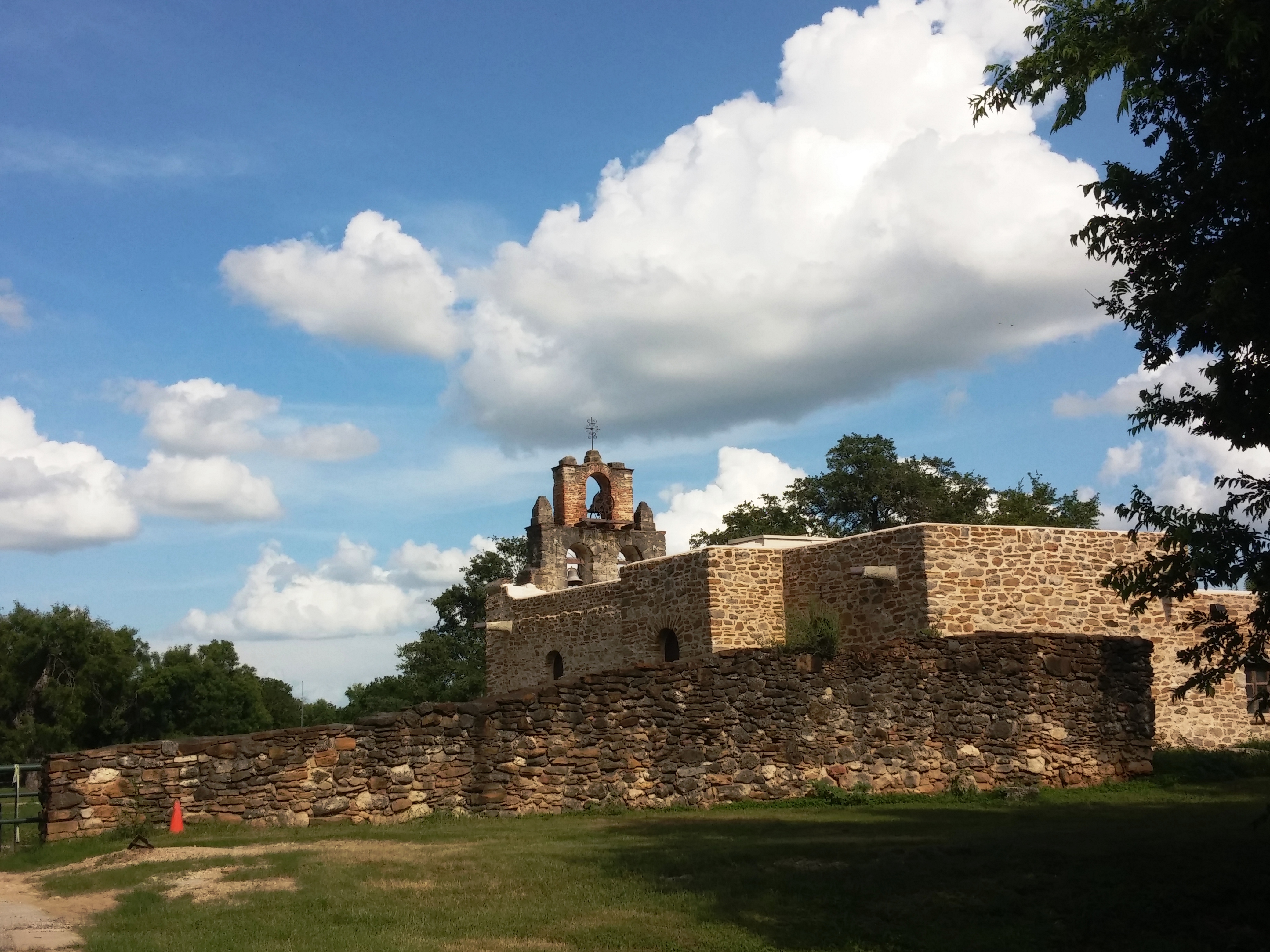
We started at one of the largest and most well-preserved: Mission San Jose. We explored the grounds inside the well-built walls and the recently renovated chapel. There were only a few other people here, which was a nice change of pace from the busy Alamo.

The park closed at 5, so we hurried and just drove by a few of the other sights: Mission San Juan, Mission Espada and the Espada Dam and Aqueduct. Just the brief glimpse was interesting, so we hope to get the chance  to return and visit in much more detail.

20150628_172100

At the time of our visit, the missions and the Alamo were not UNESCO World Heritage sites (something that some of us, namely Eric, obsess over seeing), but we read that they were considered strong contenders to be named as such soon. And just a week later, they were! So now we can add the San Antonio Missions to our list of sites visited.

Pearl Brewery

To cap off our day of sightseeing, Eric’s extended family took us to the up-and-coming development near the former Pearl Brewery. We had a nice dinner of Mexican “street foods” at La Gloria, then walked down and back up a newer, less-developed stretch of the RiverWalk. Both the kids and adults in the group were fascinated to watch sightseeing boats go up and down a set of locks along the way.

Final Thoughts

One day is clearly not enough to see all there is to see in San Antonio, especially if you are interested in all of the Spanish and Texan historical sites to be found. Thanks again to Eric’s cousin and her family for hosting us on our all too brief visit!

Summer Rendezvous 2015

We were quite excited to be back this summer so that we could once again participate in Della’s family’s annual party at their cabin in the Colorado mountains. It is such a treat for us to be able to spend time in the mountains again. It was a little painful that we only got to visit the cabin once in the entire summer season of 2014.

CAM00338

For Rendezvous, we spent a long weekend up at the cabin, enjoying the cooler weather, the lovely silence of the wilderness, and even a blue moon.

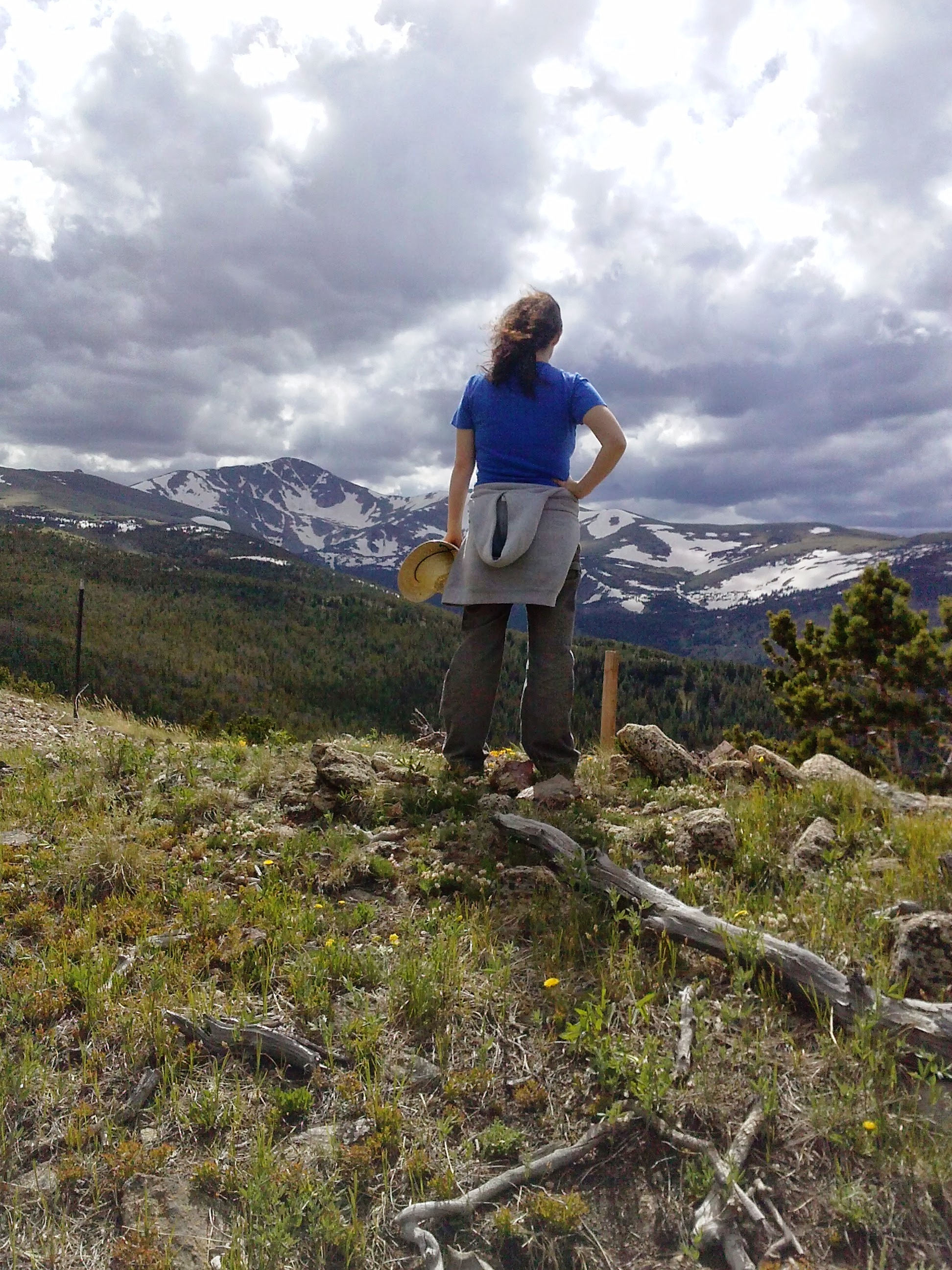
On Saturday, the family took a hike to two small mountains that we have affectionately named Della and Dana Points (Dana is Della’s sister). The weather was absolutely glorious, and we couldn’t have had better views.

On Sunday, many of our friends joined us at the cabin for the annual Rendezvous. The weather was a bit less nice, with intermittent clouds and even a few rain drops, but we still managed nice hikes with the guests.

Of course, we also played our annual Rendezvous Games. Two more teams were added to the Centennially famous Yellow Apron Award.

Thank you so much to all of our friends and family who made it a lovely day!

We finished our RTW, so What Were Our Favorite… Museums?!

We’ve finished our RTW trip. We get a lot of questions about our favorite things on the trip. We’ve decided to start a new series called “So, What Was Our Favorite…” We visited 29 countries on our RTW: Egypt (just 1 day), South Africa, Botswana, Zimbabwe (just 1 day), Namibia, Germany (just 1 day), Czech Republic, Poland, Slovakia, Hungary, Croatia, Slovenia, Bosnia Herzegovina, Montenegro, Albania, Greece, Turkey, Ireland, USA, Myanmar, Singapore, Indonesia (just Bali), Cambodia, Laos, Thailand, Vietnam, Hong Kong, Macau, and Nepal.

This third edition will cover our top 10 favorite museums around the world. These are not in order of preference, instead they are in the order in which we visited them.

Apartheid Museum, Johannesburg, South Africa

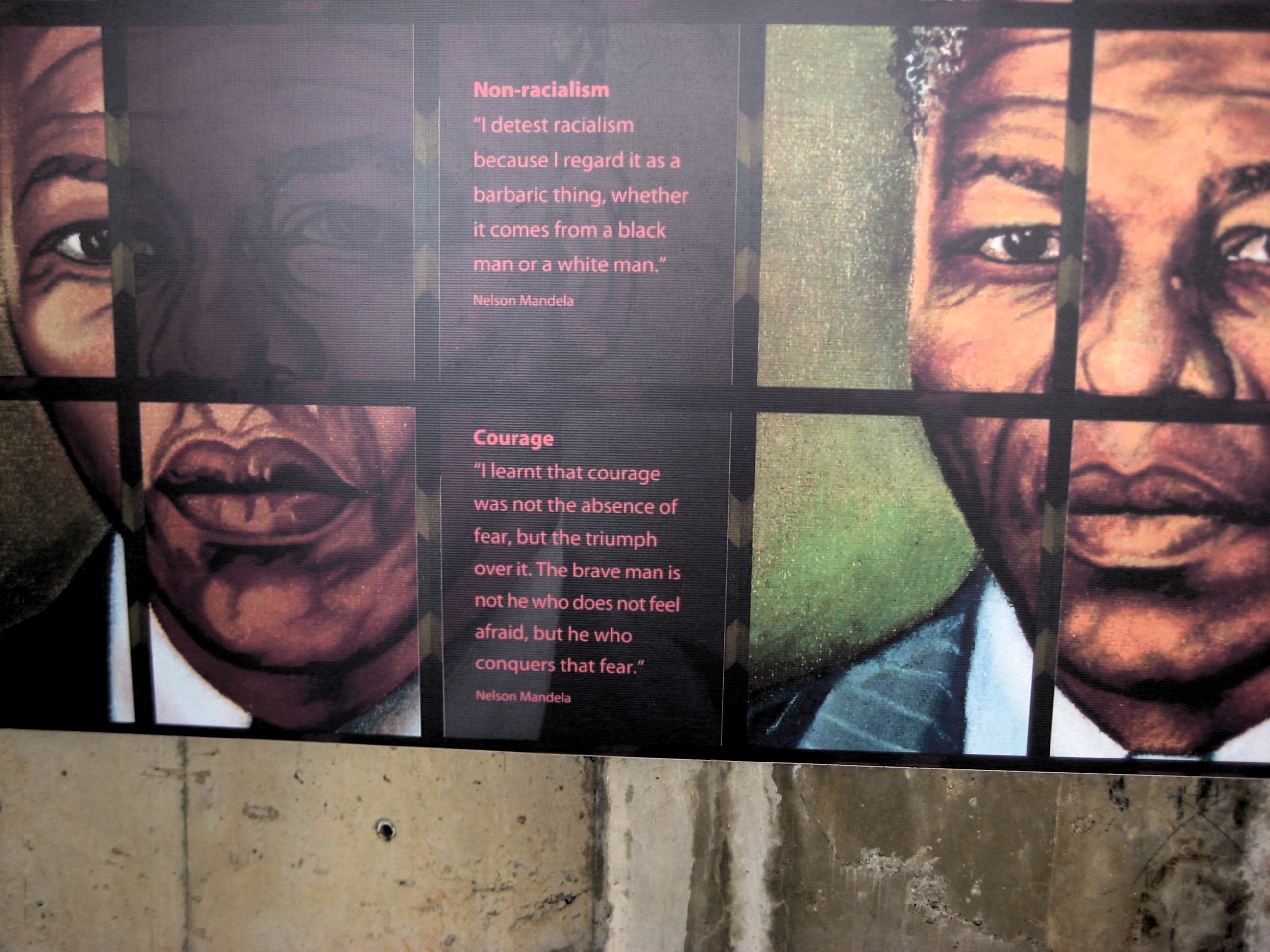
The museum started with the beginnings of Joburg as a mining town, and then went through the first attempts at segregation to the implementation of the full-fledged apartheid system in the 1940s. Then, there were displays about the realities of living under apartheid, and the first wave of resistance that led to Mandela being sentenced to life imprisonment. Then, as we went chronologically. We got into the student uprisings of the 70s. For the 1980s, there was a gripping video detailing the horrific violence that brought the apartheid movement to its breaking point. We then moved on to the 90s, which detailed Mandela’s release, then end of apartheid and the founding of the new government (and also showed how close the country came to total anarchy at the time). The museum is particularly gripping as it starts right out with you being randomly assigned to be white or non-white, and then having to enter through the respective door and then garnering a different experience for the first room based on what you picked. While we visited, there was also a large exhibition on the life of Nelson Mandela.IMG_9186

Cradle of Humankind Museum, Outside Johannesburg, South Africa

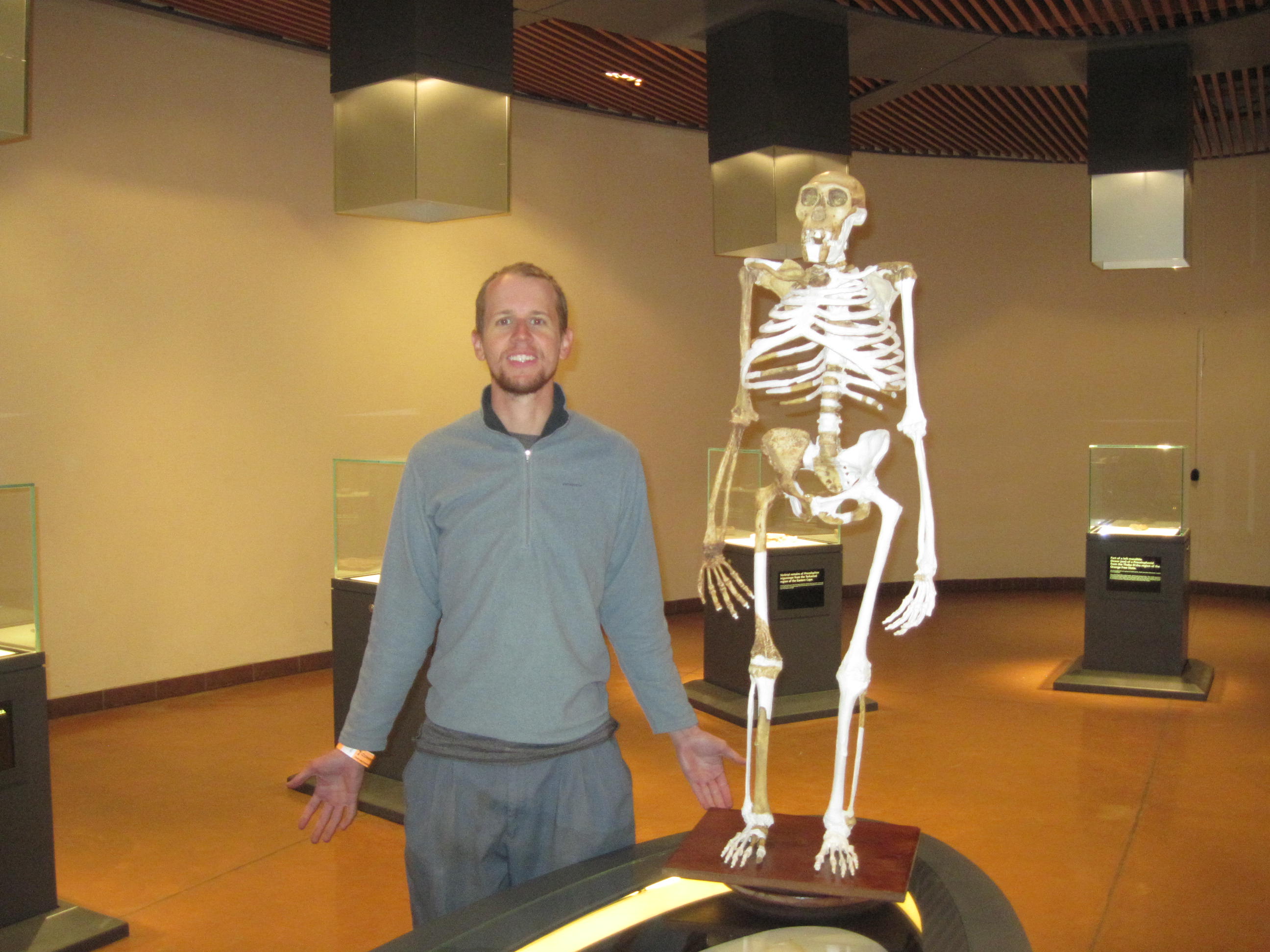
This nice (and relatively new) museum is set up to explain the history of life on Earth and the history of human life as well. Once you enter the main building, you are taken down into the basement and you do this cheesy but fun boat ride that takes you though the different elements necessary for life. We then went through the different exhibits in the large space. There ranged from discussions about DNA,to extinct animals, to the different types of hominids that paleoanthropologists have identified (many of which have been found in the Cradle) to what it means to be human. We particularly enjoyed some of the interactive exhibits, for example, there was a long hallway with illustrations which helped to show the length of different eras in time.

Posing with an austrolopithicus

Posing with an austrolopithicus

Shindler Factory Museum, Krakow, Poland

This was the only museum we visited in Krakow, and it was excellent! The permanent exhibits walk you through what happened in Krakow during the years 1939 – 45, during the Nazi occupation. The museum does fascinating things in each room, designed to make you understand the subject with all of your senses. The room for before the war has nice, warm lighting and happy music playing. It feels like sitting in a comfortable room, watching old family movies about Jewish life in Krakow. Then you enter a hall which describes when Germany attacked. It is black and gloomy with red lighting streaking across the walls, representing the fire, and the sounds of shooting and bombs is everywhere. Even the floor of each room played a big role: in the room describing the initial attack, the floor was uneven; in a room describing life for the Nazis, the floor was fancy swastika tiles; in a room for a concentration camp the floor was actual white gravel. The last room was quite interesting as well. To get into it, you walk through a dark room with a spongy floor (we aren’t quite sure of the interpretation). Then, you enter the “room of regrets”, which is stark white and covered with snippets of writing. Upon closer inspection, the snippets are quotes from people who did something (or didn’t do something) during the war period. The building was actually Schindler’s Factory (from Schindler’s List), so his office is preserved and there are a few rooms dedicated to him.

Room of regrets

Room of regrets

Gallery 11/07/95, Sarajevo, Bosnia and Herzegovina

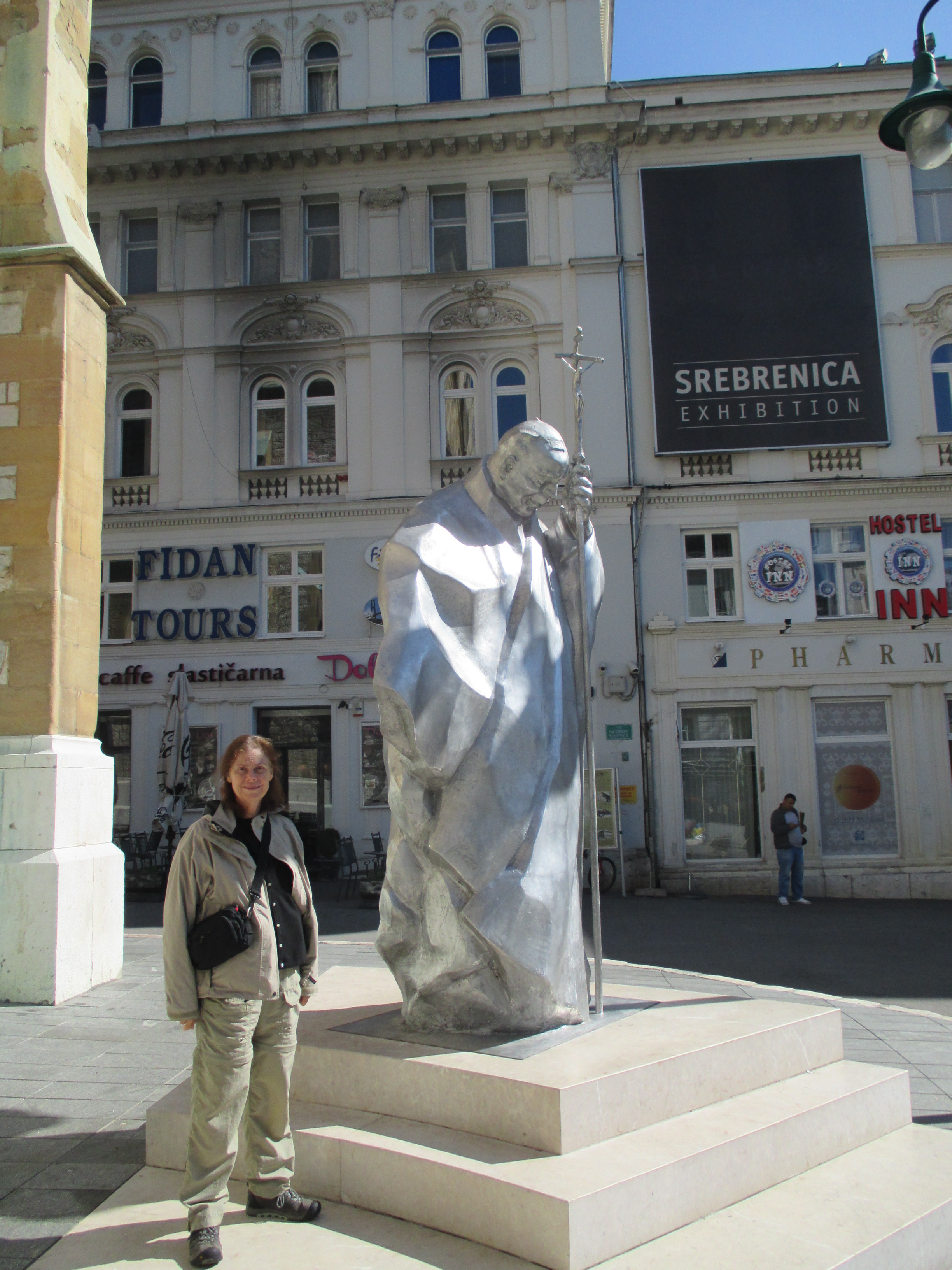
We paid a visit to this moving and disturbing exhibit in Sarajevo – a series of exhibits that attempt to explain some of the tragedies of the war, mainly the genocide at Srebrenica. Our guide gave us a brief overview of what happened there. It’s hard to give a concise explanation in this space, but the gist of it is that over 8000 Bosniak people in the town, mostly males, were killed and dumped into mass graves by the approaching Army of Republika Srpska, even though the town was supposedly under UN protection. We walked through the photo gallery, watched a documentary, and also listened to the stories of some individuals who were affected. The gallery also included a small display and a documentary on the siege of Sarajevo. We vaguely remembered that Sarajevo was in the news when we were kids, but I don’t think we realized the scope of what the town went through. It was under siege for almost four years, which is the longest siege in modern history. The residents had to live in constant fear of being attacked by snipers in the hills surrounding the valley that the city sits in. The documentary, called Miss Sarajevo, was shot during the siege and showed the resilience of the residents in the face of this (and was later turned into a U2 song). It is extremely moving and worth a watch. (If you do watch the documentary, and you should… it’s linked in the previous sentences… and you find yourself as taken with the young girl in the beginning and the end as we were, here is a video of what she was doing in 2009!)

IMG_1743

National Archaeological Museum, Athens, Greece

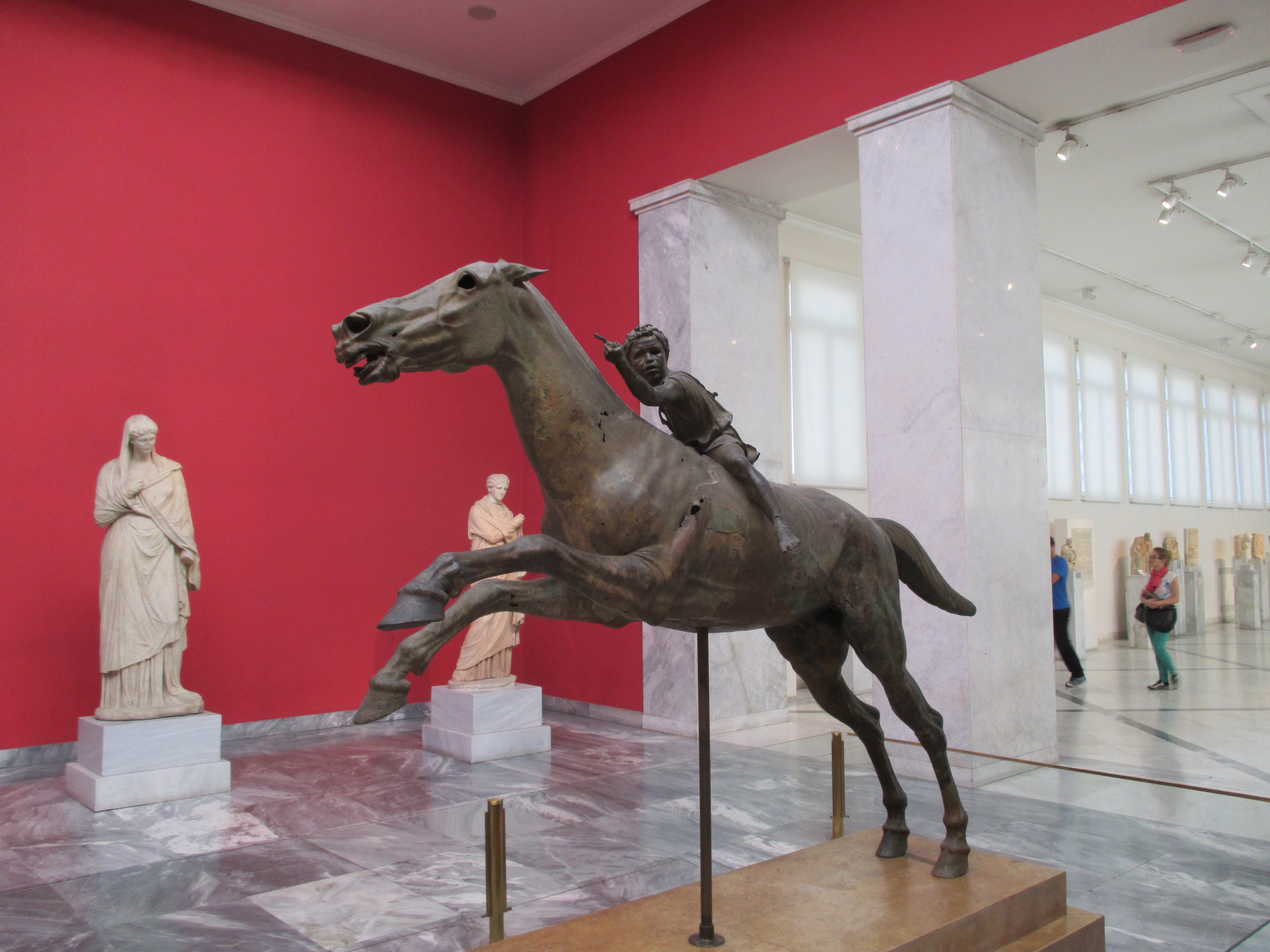
The museum went in chronological order and was quite extensive. The first major area was the Cycladic figurines and other art, from the 3rd century BC. Then, they covered the findings from Mycenae. We were pretty excited to see the artifacts from Mycenae that we had heard about when at the site and from reading Greek Treasure. The next stop was the Archaic era, where we again learned more about the kore and kourous statues. The next major era was the Severe Style. The sculptures started to get more realistic, but the expressions were stern. For the classical era, many of the finds were split into different rooms. There was a large collection of rooms focused on the art found on tombstones in the ancient cemeteries. There were many elaborate marble carvings to be found. The next period is the Hellenistic era, which was characterized by sculptures which more realistic faces (instead of idealized) and more active movements. The final period covered was the Roman era. Here they tried to copy the Greek styles and were somewhat successful, although the art was less impressive. All of this chronological history was enhanced by enjoying the museum while listening to Rick Steves’ audio tour. There is much more to the museum so it could be worth multiple trips.

The Jockey of Arteision

The Jockey of Arteision

Museum of the Olive and Greek Olive Oil, Sparta, Greece

It may not sound interesting, but we found it fascinating. The top floor of this little museum gives the history of the olive and discusses how it and its oil can be used for a wide variety of purposes: food, light, rituals, etc. The lower floor discussed all about how to make olive oil, and had examples of the different machinery that has been used to make the oil from ancient times until the present.

Della about to perform the pressing stage

Della about to perform the pressing stage

Antalya Museum, Antalya, Turkey

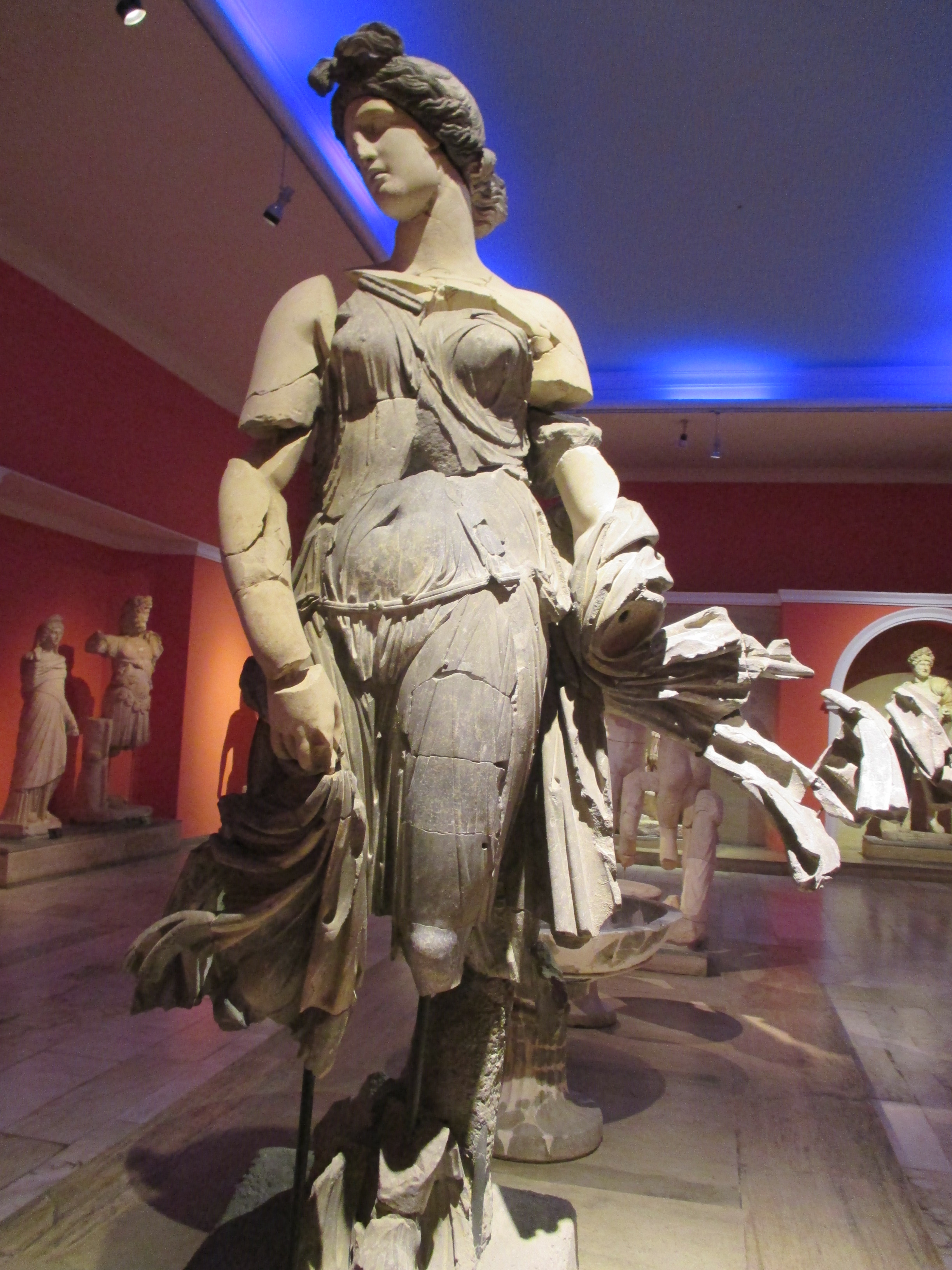
This is a large archaeological museum, and we enjoyed seeing the different exhibits that included the Stone Age in the Antalya area, ceramics, Roman-era sculptures and sarcophogi, and finally a small exhibit on life during the Ottoman era. Our favorite exhibit was a room with different sculptures of Greek/Roman gods found at the nearby site of Perge, mainly because each statue included a sign with extensive text describing the myths around the god.

One of the goddesses

One of the goddesses

The National Museum, Singapore

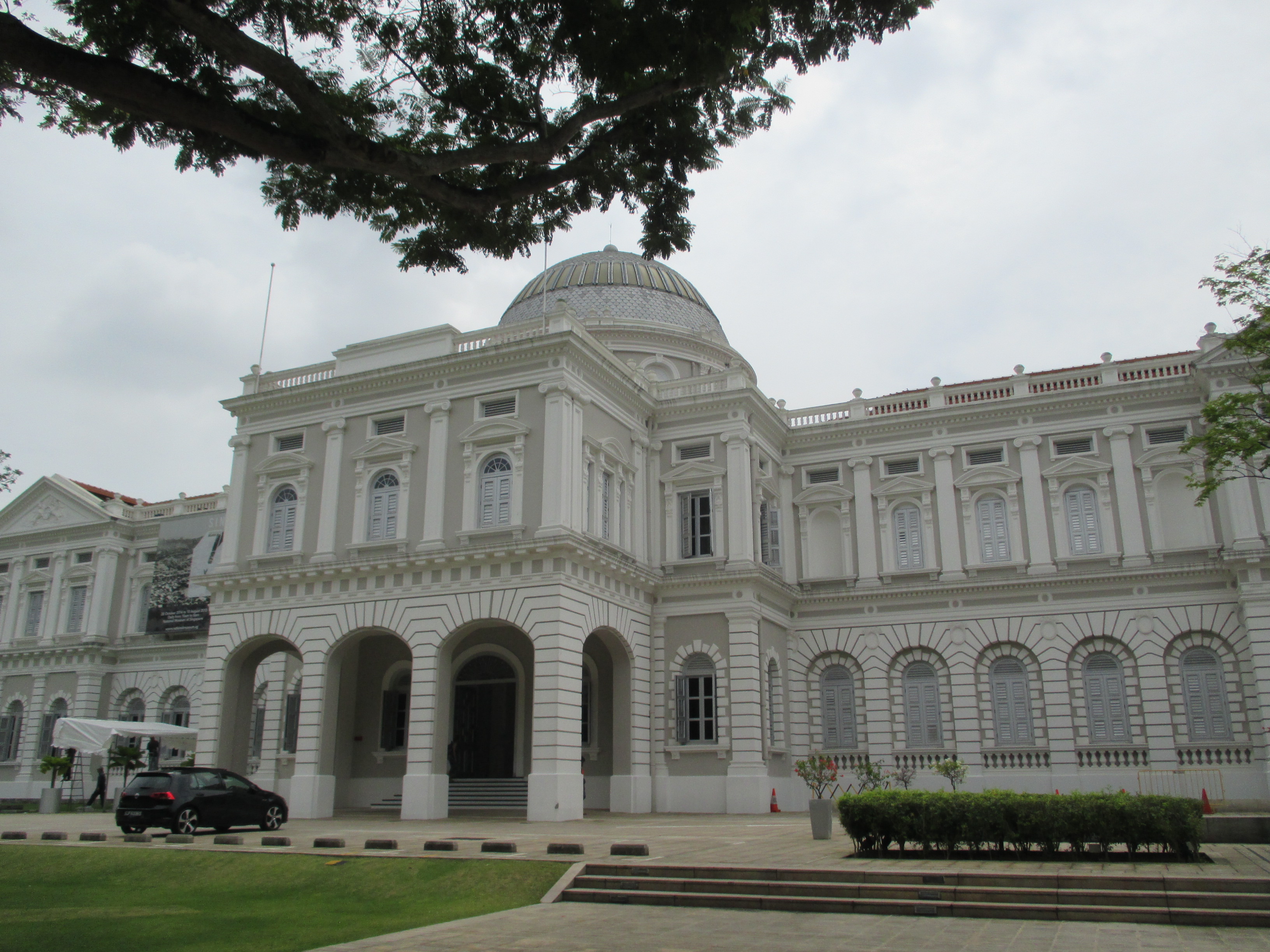
When we visited, we were disappointed to discover that the main exhibits at this museum were under renovation, but ultimately it turned out that the temporary exhibit on the history of Singapore was very good! It walked us through the history as described above in a nice chronological fashion, with good displays. It also worked hard to set the mood and tone of each period in history through the size, color, and feel of the rooms.

The exterior of the museum

The exterior of the museum

COPE Visitor Center, Vientiane, Laos

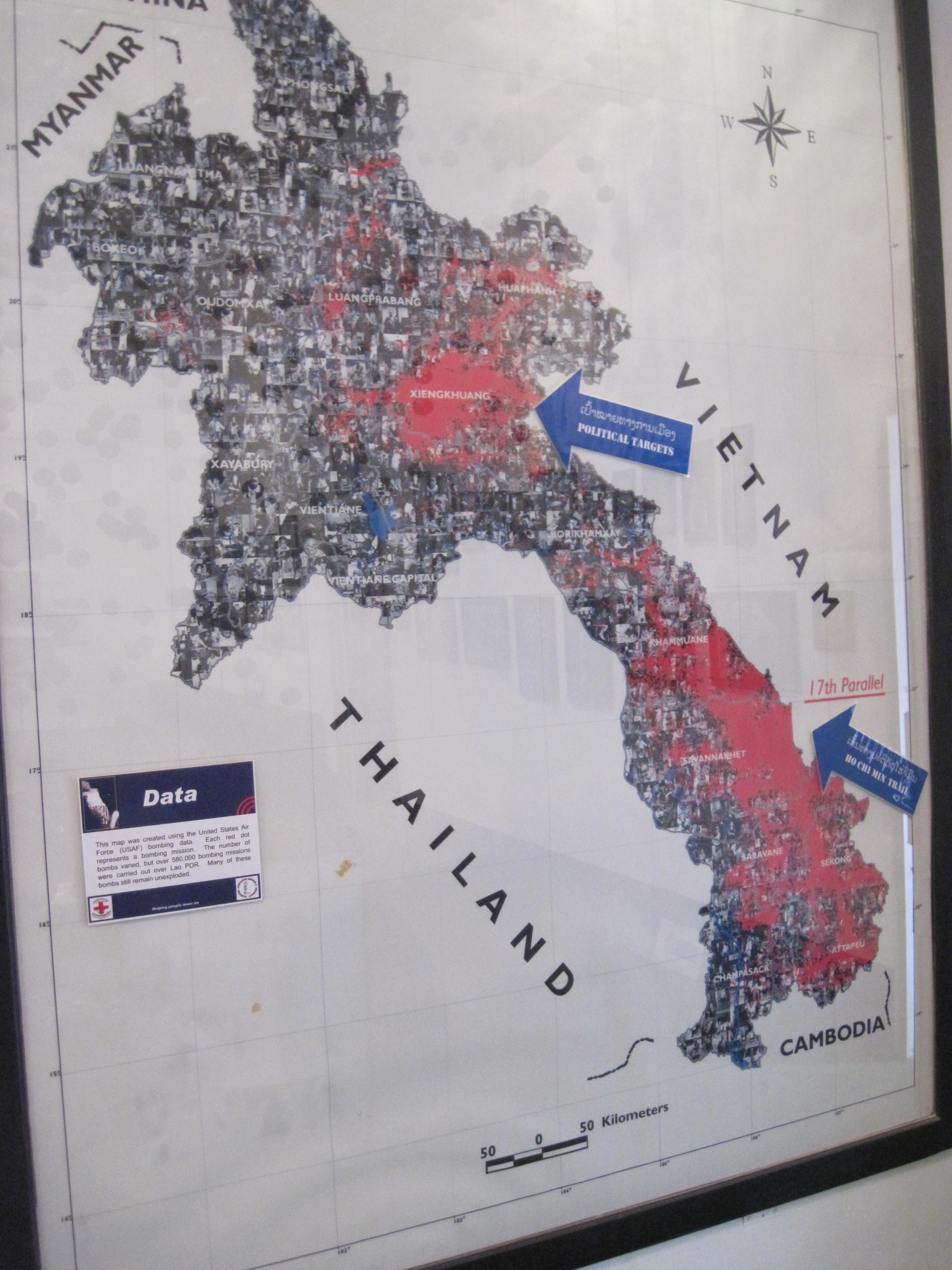
COPE is an organization that helps provide prosthetic limbs to those who can’t afford them all across Laos. The visitor center describes their work in making the prosthetics, but also talks in detail about one of the main reasons so many are needed: the tons of unexploded ordinance (UXO) that remain in the country as a result of the many bombs the US dropped during the “secret war” as part of the Vietnam war. We also watched a couple of short documentaries about the efforts to go in the countryside and defuse the found items before someone is hurt by them. The problem is especially tough because scrap metal can bring in a significant amount of money, so people will risk harm and handle items that they shouldn’t. The visitor center was small, but we found that it contained a lot of interesting information and was quite moving.

Where the US dropped bombs on Laos during the war

Where the US dropped bombs on Laos during the war

Queen Sirikit Museum of Textiles, Bangkok, Thailand

This museum is actually within the grounds of the Grand Palace in Bangkok and is free with admission with a palace ticket. Our first intention was just to take advantage of the AC and uncrowded bathrooms, but we also checked out the exhibit on the Queen’s fashion and were fascinated. Apparently, before a world tour in the 1960, she helped revive some classic Thai styles and designed nine different outfit styles that are still used by the Thai women today. There was also an activity room that described silk fashions, and Della got a chance to try on a traditional outfit.

IMG_6415

We visited a lot of museums on our RTW the world tour, and came up with a few observations about the ones we liked the best. It was important to us that the museum have good signage and/or a good audio tour. We also enjoyed when the exhibits were interactive or really created a good atmosphere. In addition, the museums that taught us the most about things we didn’t know about or if we were moved by their content.

Exploring Closer to Home: Southern Colorado

After our trip through northern New Mexico with Eric’s parents, we split from them and headed back towards home. We decided to make a scenic trip out of it, and add a few more of the sites in southern Colorado to our trip, including another UNESCO World Heritage site and one of our favorite national parks.

Mesa Verde

After leaving Chaco Canyon, we drove north out of New Mexico to the southwestern Colorado city of Durango. We hadn’t pre-booked a place to stay, but had identified a road on the north side of downtown with a few cheaper off-brand hotels. The first one we tried had no one at the front desk and the door locked (which seemed strange), so we went a little further down the street to the Day’s End Motel. It was a little run down, but we did have a decent room that would work well for our purposes.

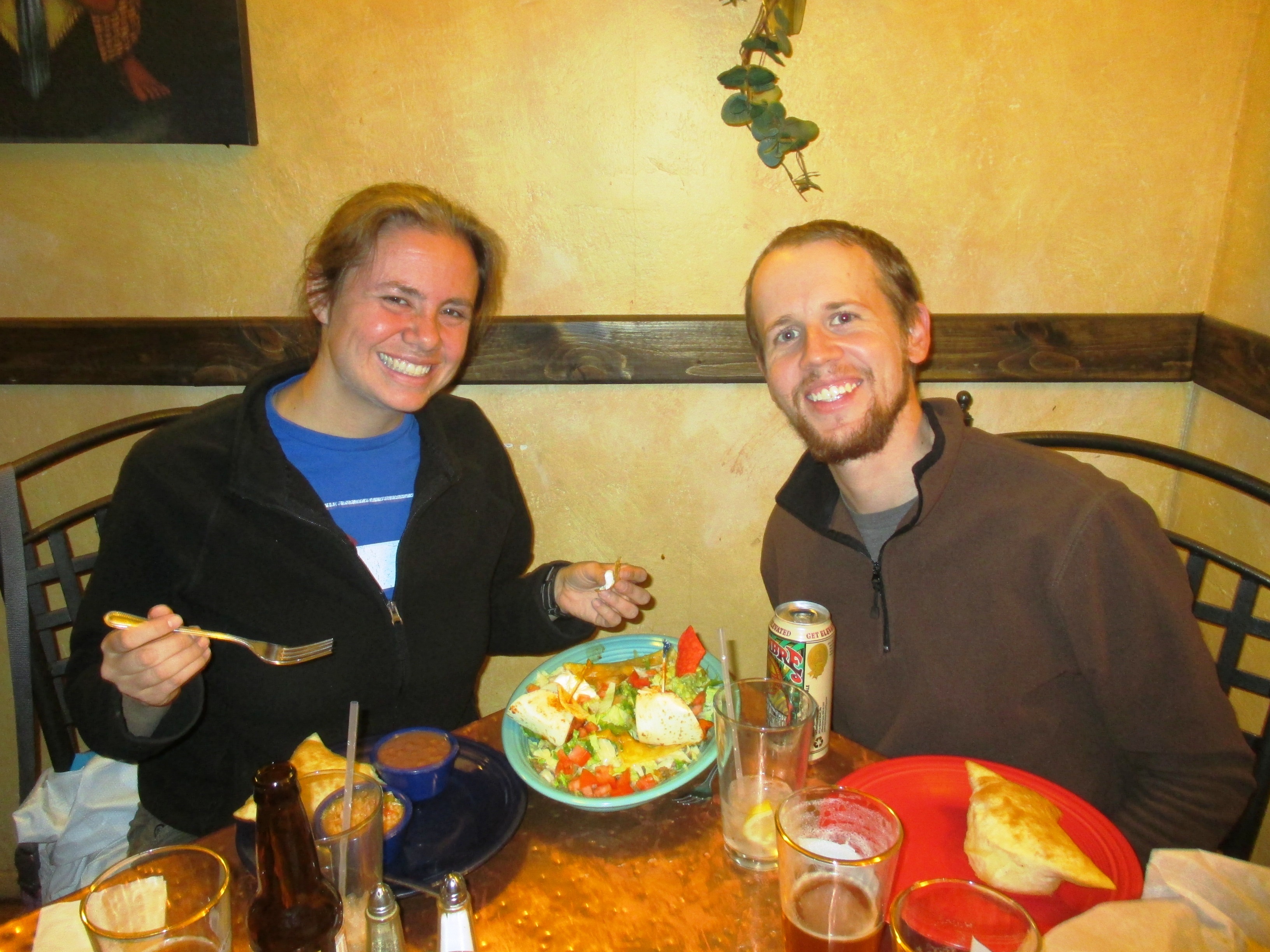
For dinner, we decided just to do something close rather than head to downtown. On Yelp, we found a Mexican restaurant called Tacos Nayarit within walking distance. We enjoyed the food, especially the cheap tacos which were their specialty.

IMG_8218

The next morning we headed out for a day trip to Mesa Verde National Park, our third UNESCO World Heritage site of this roadtrip. It is mainly known for its intricate cliff dwellings set high up on the walls of picturesque canyons.

Our first stop was the recently renovated visitor center, where we picked up some maps and a few self-guided trail brochures. We also signed up for a ranger-led tour of the Balcony House (you have to register in advance for these tours since space is limited).

IMG_8220

We paused a few times on the drive into the main part of the park to take in the scenic views out over the valley below.

IMG_1644_Fotor

We had a little time before our tour, so we did the self-guided walk through the Spruce Tree House ruins. Here we got our first look at one of the famous cliff-dwellings built by the Ancient Puebloans. This is the same general culture that built the structures at Chaco Canyon, but archaeologists are still debating the exact relationship between the two. The cliff dwellings were built after the great houses in Chaco Canyon were abandoned, so one theory is that the builders came to Mesa Verde and built there,  but there are not very many architectural similarities, so it’s not clear that it would have been the same people.

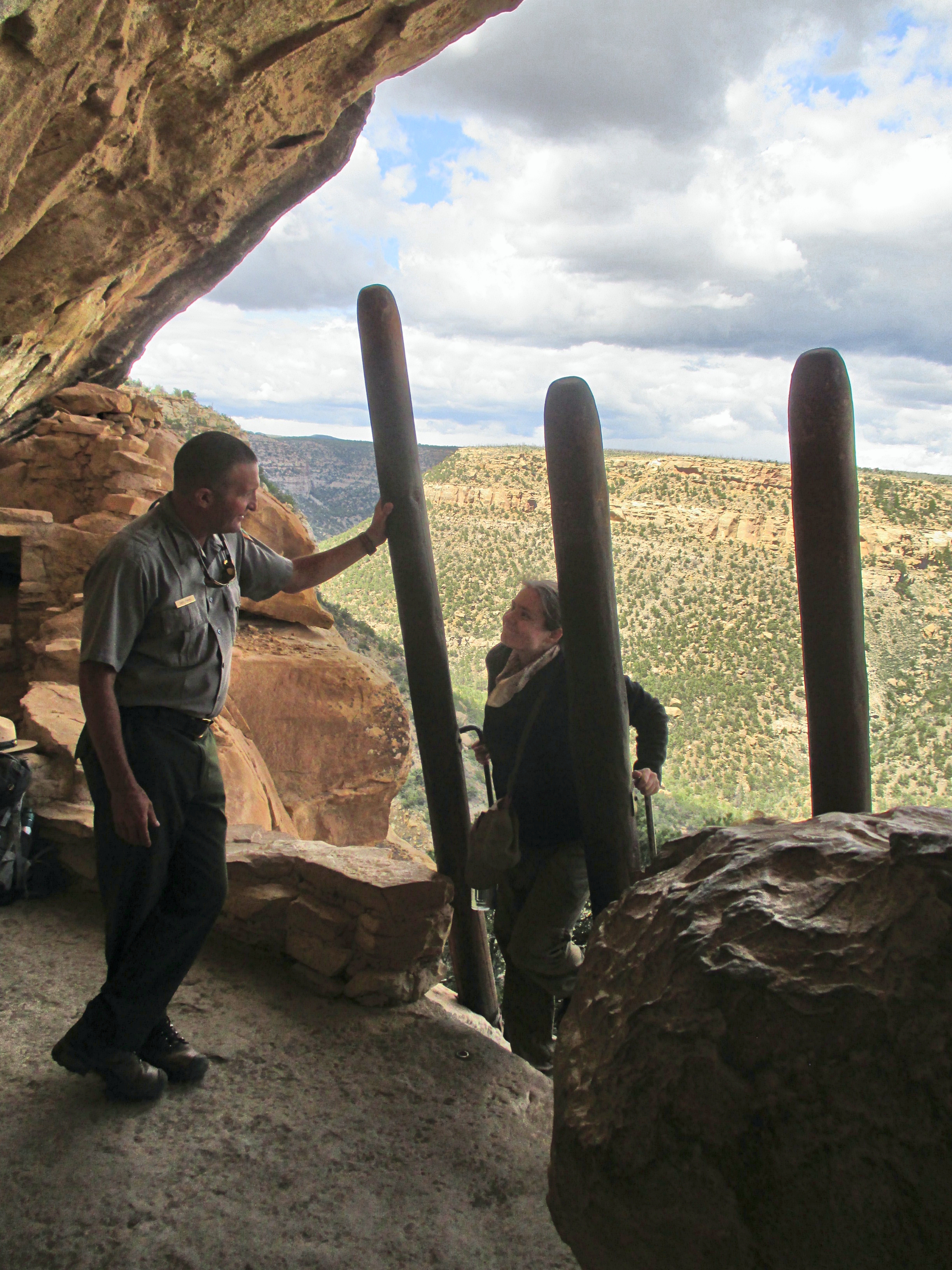
After a brief stop in the museum and a picnic lunch, we headed to the trailhead for the Balcony House guided tour. The ranger who led the program was very interesting and quite informative. He had grown up in the area so he was able to explain a lot about what we were seeing. A lot of the beginning of the hike was taken up with him giving a safety briefing for accessing the ruins, since the ruins are found in the side of a steep cliff face, requiring a bit of an adventure to get in and out of.

IMG_8247_Fotor

The ranger also explained something that we had found confusing: why the people who built Mesa Verde were now called Ancestral Puebloan. The two of us had both visited Mesa Verde as children, and remembered the park literature then referring to the Anasazi people. As it turns out, this was a phrase that had been invented by historians, and the modern-day descendants found it offensive. The term Ancestral Puebloan was deemed to more accurately reflect who these mysterious ancestors were.

IMG_1667_Fotor

The first “obstacle” was a large ladder, which turned out to be pretty fun to climb. The ruins themselves were actually a little small, and it felt like we had to rush through them, since it took a while for the large group to all get up the ladder. After a brief tour of the ruins, we crawled out through a narrow tunnel (smaller than the Cu Chi tunnels in Vietnam), up another ladder, and then along some stairs. It was a little nerve-wracking but also pretty fun.

Our next activity was a self-guided drive along the sites of the Mesa Top Loop. Here were got to see some of the ruins of other types of structures found in the park. Most people only know about the cliff dwellings of Mesa Verde, but those were actually built later in the area’s history. The early settlements were more traditional farming villages, with small buildings and the ceremonial kivas which are the hallmark of the Ancestral Puebloan culture. We could see the progression of building technology as the years went on, culminating in the big cliff houses. Historians are still unclear what drove the culture into such an isolated location. Was it for defensive purposes from some outside threat? They don’t know for sure.

Our last stop was the Far View sites, a collection of buildings making up a small village on top of the Mesa. Here we found some of the larger buildings that reminded us a bit of the great houses in Chaco Canyon. The most impressive ruin here was an ancient reservoir that was used as a water supply for the village.

The drive out of the park was pretty, with the sun starting to set over the mesa and valleys below.

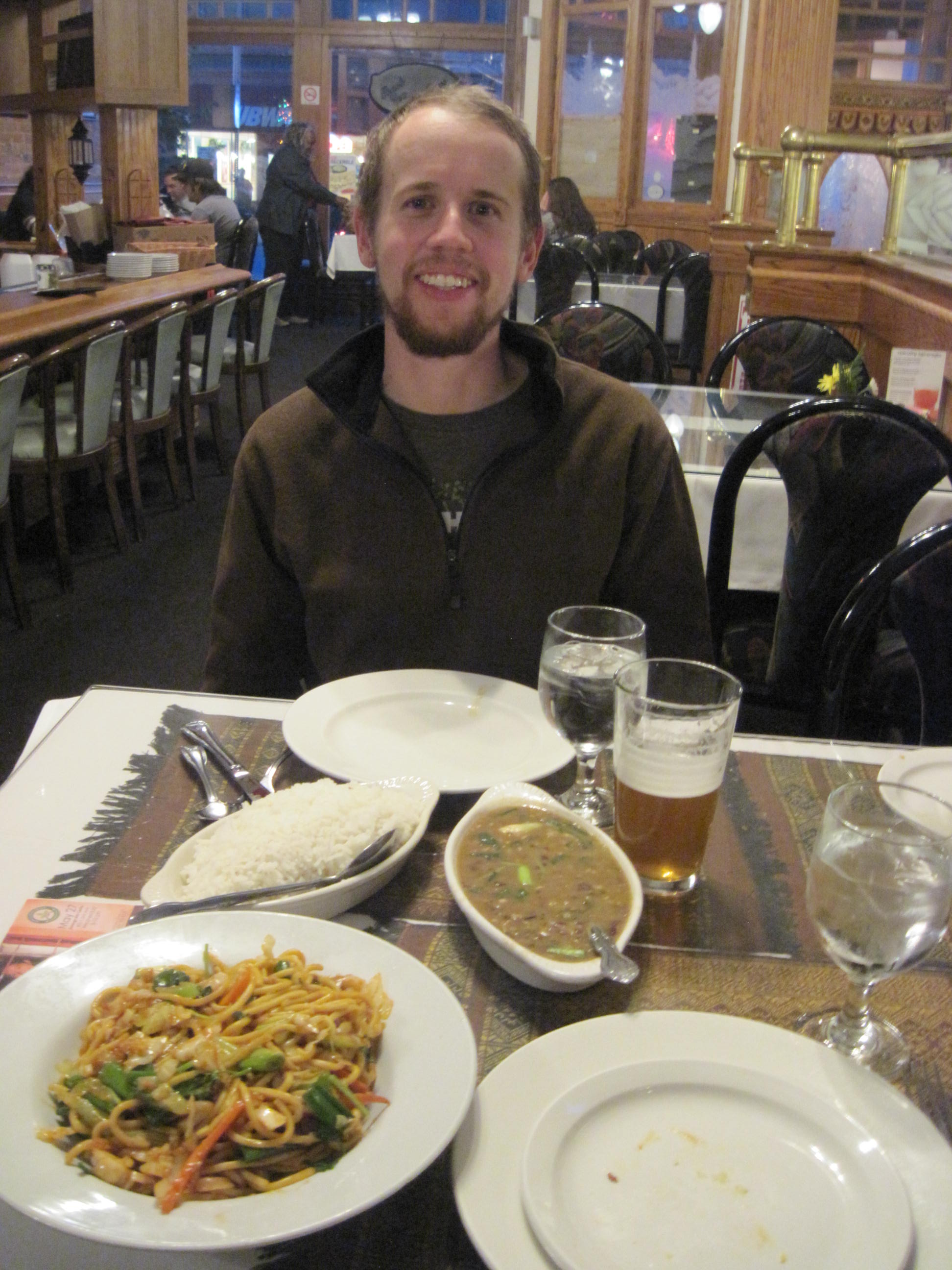
We stopped in downtown Durango and decided to eat at a Nepali restaurant we had seen earlier. We felt it was fitting to go there after our recent earthquake experience. We didn’t tell anyone we had been in the country, since we didn’t really know how to. We donated a little money to a collection that they had set up for relief efforts.

IMG_1749

Pagosa Springs

The next morning we packed up and headed east. We took a slight detour to Vallecito Lake, where we drove around and took some pictures. This was for the benefit of Eric’s dad, who has fond memories of the summers he spent there at a camp run by his uncle. The camp is a RV park now, but you can still see some traces of the old buildings.

We drove on to the town of Pagosa Springs, where we stopped for lunch and then an afternoon of lounging in their signature attraction, the natural mineral hot springs. There are a few options of different places to experience the springs. The town visitor center had a nice brochure comparing the costs and benefits. We chose the Overlook Hot Springs, a cheaper spa housed in an old Victorian mansion on the main street.

As it turned out, for most of our time there we had the whole place to ourselves! We started at the outdoor tubs on the roof, but the intense sun drove us inside. Here we lounged for a long time in the dimly lit main room, alternating between some of the hot mineral pools in there (and occasionally a cold plunge pool!). It was very relaxing, but we finally, reluctantly got out of the pools, showered off, and headed east once more.

Great Sand Dunes National Park

Our destination that night was the town of Alamosa. Once again, we hadn’t booked anything ahead, but we did identify one cheaper place just outside downtown, the Riverside Inn. We were lucky and got the last available room for the night. We were also surprised – the room was large! We weren’t expecting to have a separate room with a full oven, refrigerator and dining area.

IMG_8365

We hadn’t prepared to cook on our own, so we headed in to town to find some dinner. Like any respectable Colorado town, Alamosa has a microbrewery restaurant, San Luis Valley Brewing Company. We love beer, so we made this our dinner stop for the night. We shared a taster tray of their brews, including some interesting ones made with green chile. The food was pretty good as well.

IMG_8362

The next morning we headed out to a park which Della has great memories of as a child: the Great Sand Dunes. It was overcast though, and as we drove out, it started to rain :(. We stopped in the Visitor Center and browsed their exhibits while we waited for it to clear up. Eventually it only started drizzle, so we went out to explore the dunes.

Unlike other parks, there aren’t many rules about where you can go for a hike. You kind of just set out and hike wherever you want on the sand – the wind will erase your tracks before you know it!

In the spring and early summer, there is one small obstacle you must cross – a seasonal river of snowmelt runs between the parking area and the base of the dunes. There are no bridges across it, so you have to figure out your own way across. On a hot summer day, it might be fun to splash across, but this was a cloudy, cold, late spring day, so we spent a while debating our options. It was too deep to think that we could make it across in our waterproof hiking shoes, so we decided to wear sandals and just get wet. This was complicated by the fact that the creek exhibits an interesting phenomenon called “surge flow,” which means that there are waves of water surging down the creek. We tried to time our spurts of activity around surges, but they were pretty frequent and we still got pretty wet. Our feet were numb from the cold water by the time we got over. In retrospect we wished we had brought dry shoes and socks to change into on the other side.

Instead, we just explored the dunes in our wet sandals. It was windy and starting to rain again, so we didn’t go very far. We walked up one dune, took in the view, and then headed down again once it started to hail/sleet. It was a disappointing visit to the dunes :-/. Though even with the bad weather, we managed to have some fun!

We ran back across the creek, and hurried to the car where we tried to warm our feet back up. Once they started to thaw, we hit the road and drove back to Denver.

IMG_8401

Our unplanned roadtrip through northern New Mexico and southern Colorado was a success. We got to see three UNESCO World Heritage sites, a lot of natural beauty, spend some time with family, and do a little mental recovery from the abrupt end of our trip in Nepal. We weren’t quite ready to end our travels, so it was nice to do a little bit more traveling in our own backyard.

What Were the Most/Least Expensive Places to Travel Per Day?

As you might have gathered from reading some of our recent posts, we enjoy gathering and analyzing data- especially when this data regards the costs of our recent RTW adventure.

We kept detailed budget information on all of the places that we visited, in part to see how much we actually spent in total for our 10 months of travel, but also to look at the information broken down by country. We recently wrote about how much we spent in total and were excited that we had managed to keep under our goal of spending less than $100/day on the trip.

But for those of us who are really curious about data, or those who might be considering trips to some of the countries we visited, we have a bit more information!

We visited a total of 29 countries on our RTW trip, but for various reasons, we kept a budget breakdown by country of only 17 of them (as well as a budget for our whole self-drive safari in southern Africa). Some of the reasons we didn’t include a country might be: we visited for only a day so the data isn’t that valid or interesting (Egypt, Zimbabwe, Germany, Macau), we visited with our parents and they either changed our mode of travel significantly or paid for a significant portion of the trip so we felt like the data would not accurately represent what we did there (Czech Republic, Slovenia, Croatia, Bosnia Herzegovina), we visited friends/family/relatives at home (USA), or our activities ended up being so strange and out of the ordinary that they don’t represent a normal trip to the country (Nepal). We also kept our budget for our self-drive safari as a whole rather than separate the countries we visited (Botswana, Namibia).

We took the data that we were keeping which was in categories for spending (Accommodation, Activities, Alcohol, Food, Miscellaneous, Transport, and Visas) and divided each of those out by day to get some idea of which countries were expensive in which categories.

Here are the countries we have full data on in alphabetical order.

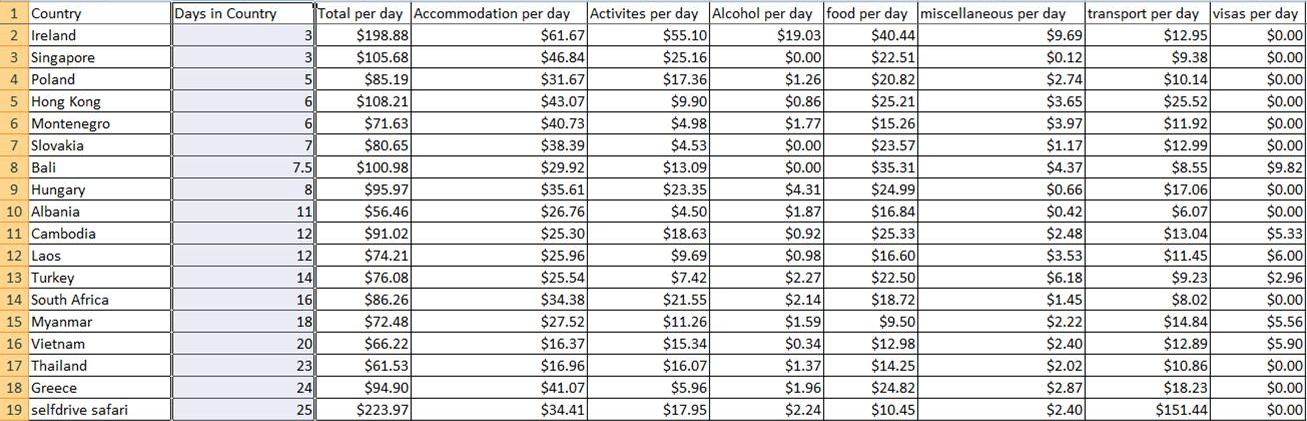
expenses per day

As you can see: 17 countries plus our self-drive safari were looked at. They cover three continents: Africa, Europe, and Asia.

We kept a record of how many days we were in each country.

expenses per day days

The shortest amounts of time were in countries that we managed to plan last minute layovers in on our way somewhere else (Ireland and Singapore). We actually are a little regretful that we didn’t spent more time in Poland. As it was, we only crossed the southwestern corner and visited only one city there. Krakow was great and it whet our appetite to see much more of Poland. Hong Kong is small so we spent a short time there, but we ended up wishing we had more! The longest visits were in the places that were farthest away, places where we felt a return trip was slightly less likely. Our self-drive safari took us to 4 countries and was the longest period of time where we did one activity on the entire trip.

Average Accommodation Costs Per Day

expenses per day accommodation

Our cheapest accommodations were, unsurprisingly, in southeast Asia. The surprise there is that Turkey was so affordable. The great thing about all of those is that we also got nicer accommodation in all those places than in some of the others. We almost never stayed in a dorm in SE Asia for example, whereas, our most expensive nights were in Ireland where we rented just one room in someone’s home. Singapore and Hong Kong both were high and both of those rooms were small and relatively uncomfortable. The self-drive safari were all campsites (!) yet this ranks on the more expensive half of our accommodations. Strange.

Average Activities Costs Per Day

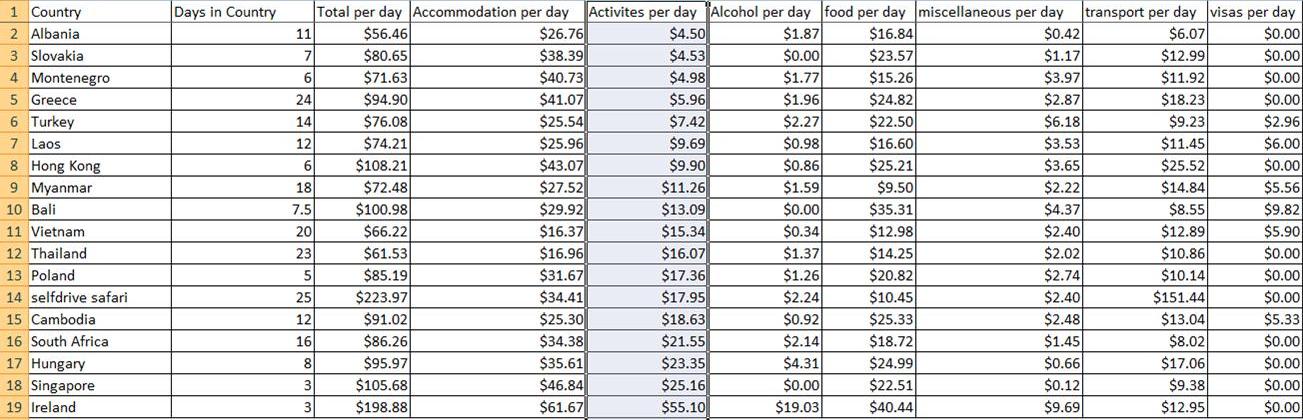
expenses per day activities

This is, no doubt, a difficult one to compare. Activities costs depend largely on time of year, length of stay, and interests. Montenegro was low, for example, because we didn’t do a lot while we were there. We took a week to calm down and relax, mostly walking and people watching. Vietnam and Thailand rank more expensive on this list, but that is in part because the cost of activities were so low there, that we chose to do more! For example, we took many day tours in both those places: days with elephants, cooking classes, cave tours, guided excursions, etc. We did none of those things in Albania, choosing more “do it ourselves” activities. However, this does give you a decent representation of activity costs. Ireland and Singapore were very high and that shows!

Average Food Costs Per Day

expenses per day food

Our lowest costs here were in SE Asia again – with the weird standout being Cambodia. We’re not sure what to say about that except that it was the beginning of our experience with hot, humid SE Asia. We weren’t tough yet and looked for places with indoor seating and AC which undoubtedly increased our costs. Bali ranks high because we traveled with some friends who really enjoy food! Our self-drive safari comes in low (for the first time) because we did all of our cooking for ourselves. The same can be said of Montenegro, which also comes in pretty cheap. For our entire week there, we only ate out once. Interestingly though, Vietnam and Thailand come in very cheap and we ate out for almost every meal there! They both are excellent places to be if you enjoy eating! Ireland was just plain pricey!

Average Transportation Costs Per Day

expenses per day transportation

Not surprisingly, our self-drive safari comes in the most expensive here with the cost of renting our safari truck and paying for gas. It is frustrating to see Greece come in so high, especially because the transportation there ended up being so unreliable. Albania was a true winner in this area – easy transport (though not super comfortable) and very cheap prices.

So… What were the most and least expensive places?! Let’s find out!

Average Total Cost Per Day

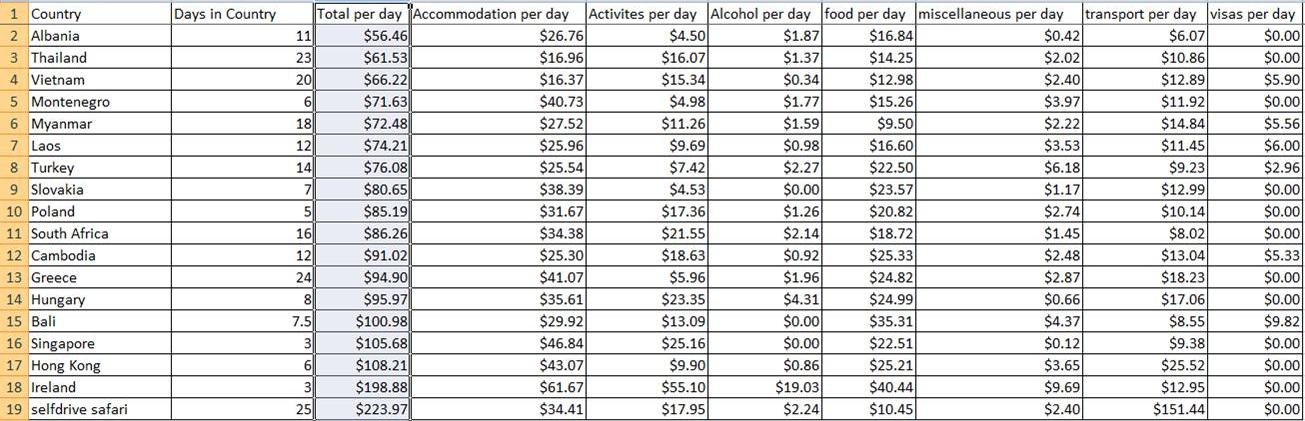
expenses per day total

Our cheapest country was Albania! Who would have thought that the least expensive place to travel would have been somewhere in Europe? The most expensive by far was our self-drive safari. This also seems a bit of a surprise because we were driving ourselves and staying in campsites along the way. Other things we noticed which muddle the data: We tended to spend more in places were we spent the least amount of time (see Ireland, Hong Kong, and Singapore). We think we felt the pressure to cram the same amount of things in but had to do it in a hurry. This definitely caused higher average per day costs.

There you have it! Check out our activities in each country to get a better idea of how this data might relate to you and your travel style.

What Were the Most Expensive Places We Stayed?

We’ve already looked at the cheapest places we stayed on our round-the-world trip, so now let’s look at the reverse. In general, we didn’t actually stay anywhere that expensive when compared to fancy hotels, but in certain countries the budget accommodations are still pretty pricey. We think you might be surprised at where some of the most expensive were! The price shown is the total cost for the two of us.

10. Khmer Surin, Phnom Penh, Cambodia – $50.80/night

We stayed at this boutique guesthouse on the recommendation of a friend who stays here when in Phnom Penh working for an NGO. It is definitely out of our normal price range, but it was nice to get to stay in the same place as him and experience a little luxury. The included breakfast was great as well! Spoiler alert: this is the only actual hotel on the entire list, and the only place in Asia.

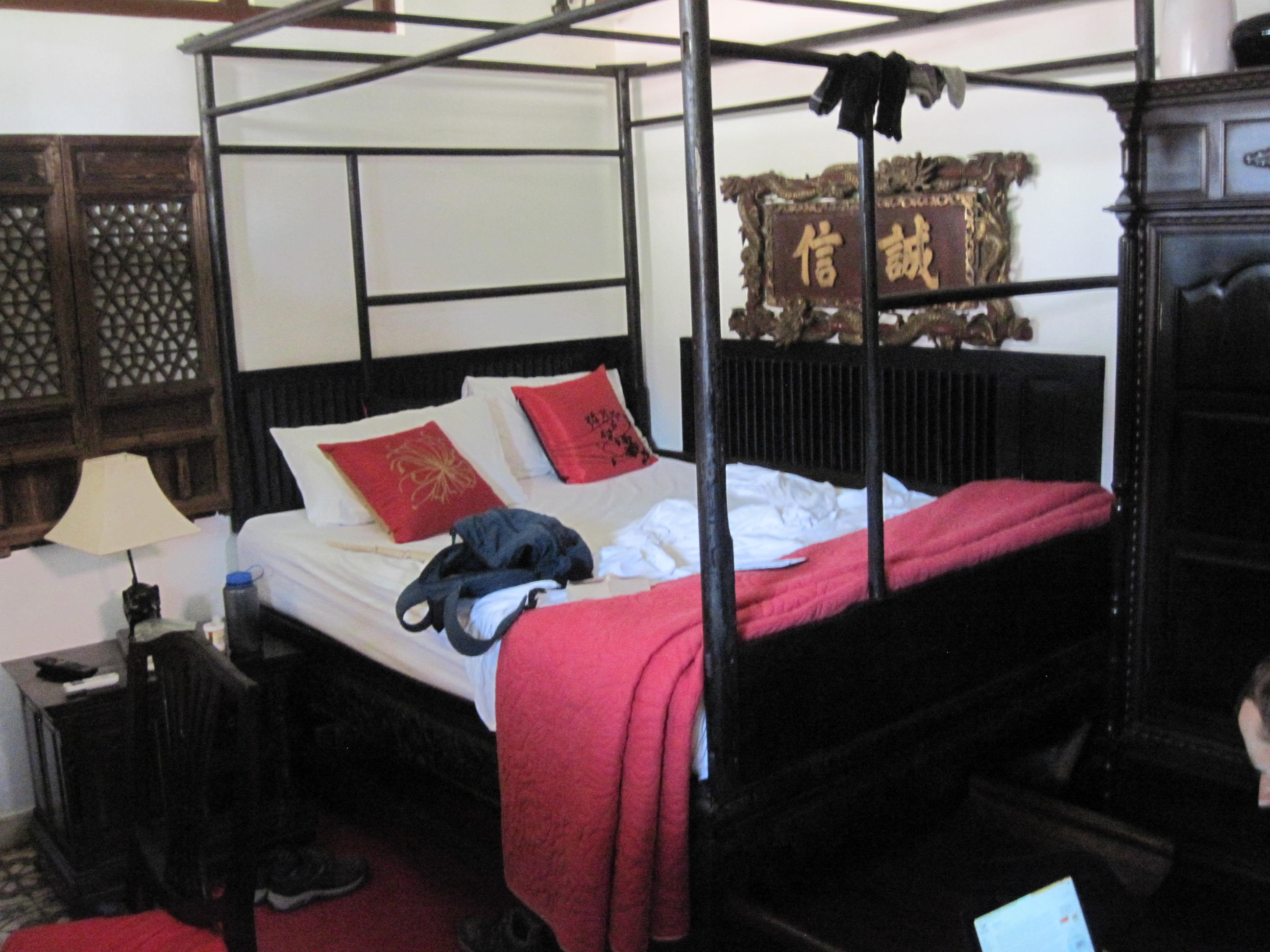
Our lovely bedroom

Our lovely bedroom

9. Airbnb Flat, Český Krumlov, Czech Republic – $57.50/night

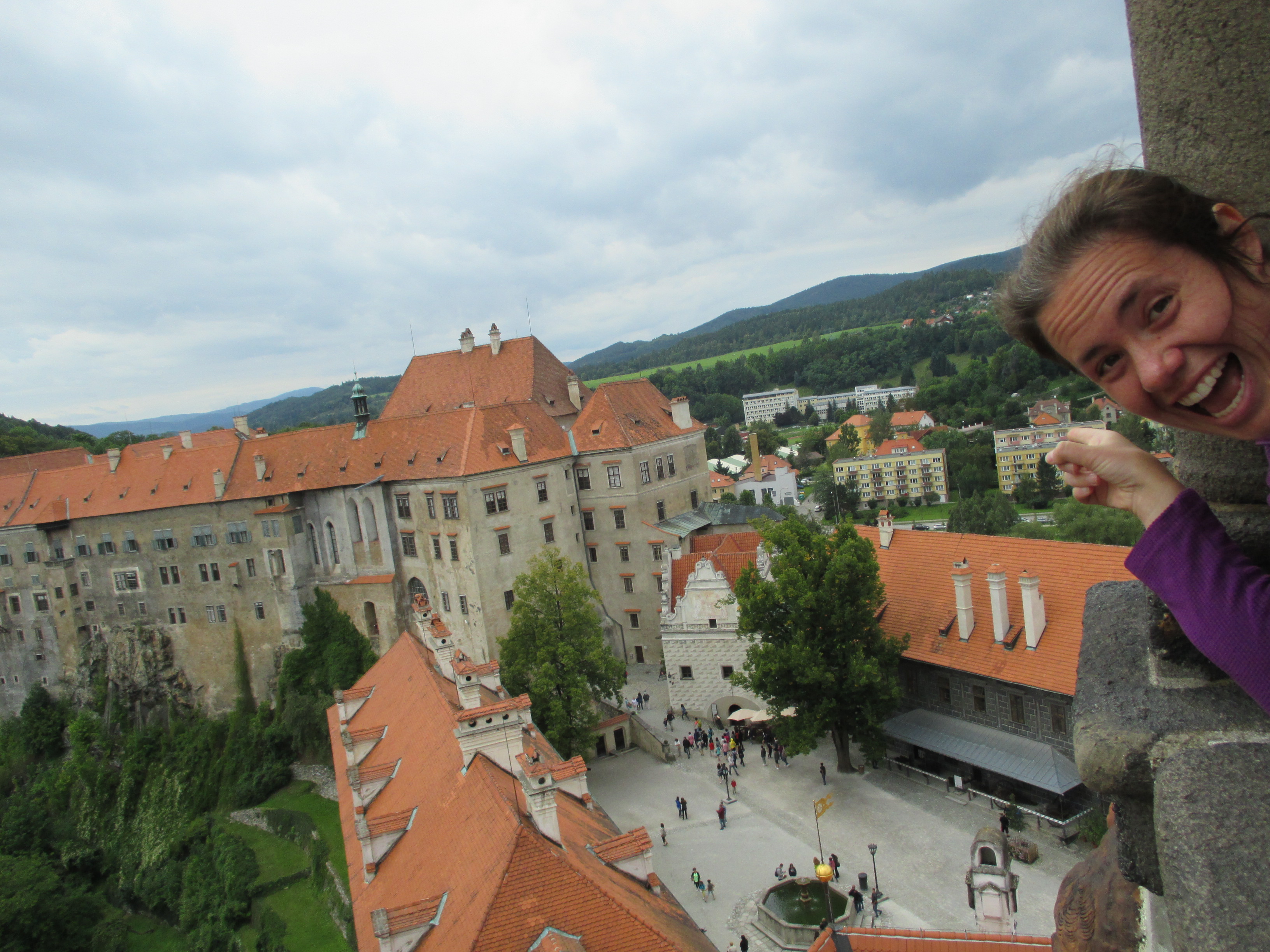
We shared a cozy space with Eric’s parents for two nights in this charming town. It was a little small, but the location within walking distance of the castle was superb.

Della is pointing at the building our flat is located in

Della is pointing at the building our flat is located in

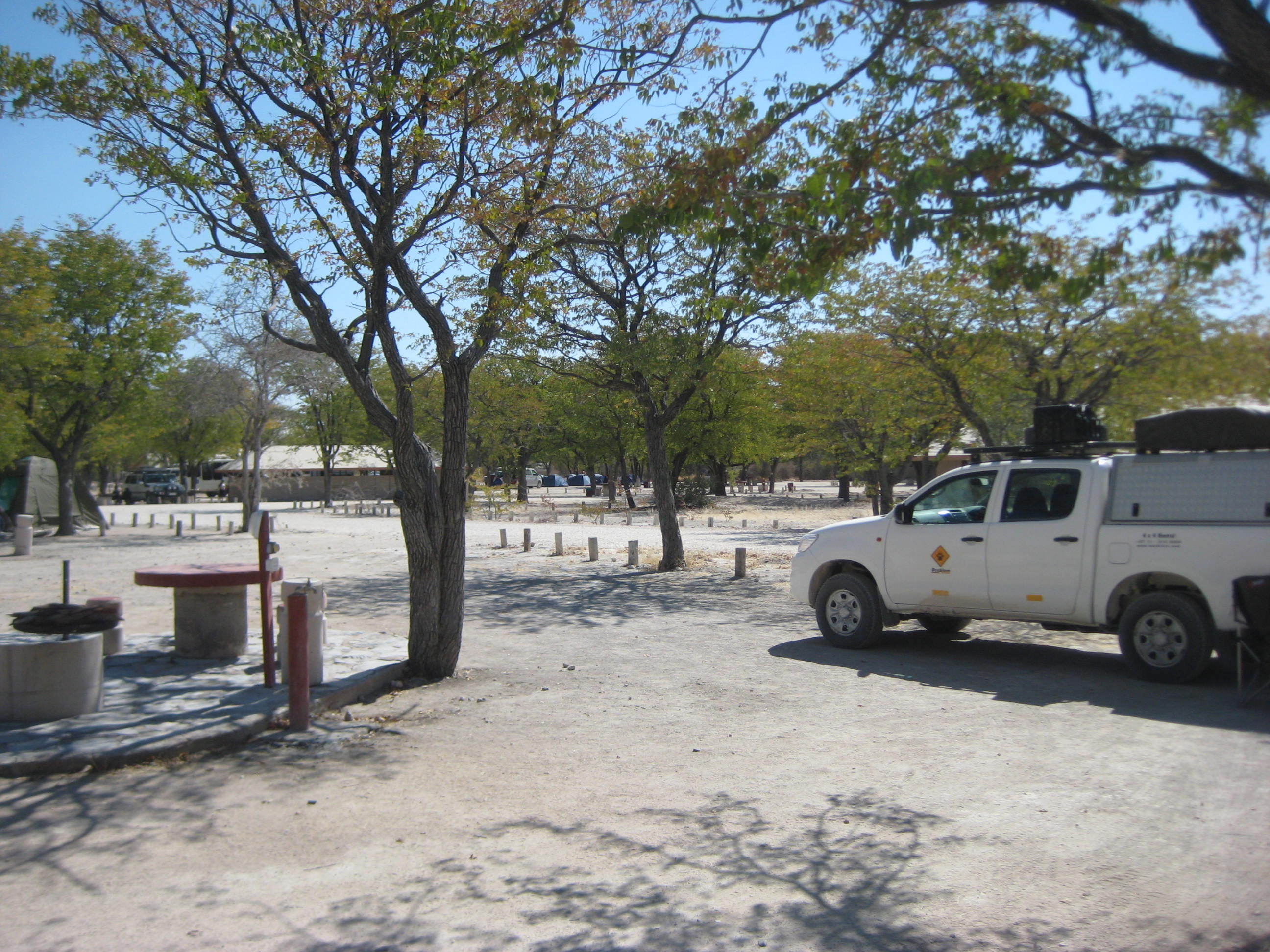
8. Halali Campground, Etosha National Park, Namibia – $57.66/night

What?! A campground?! Surprisingly, this is not the only campsite on the list… the ones in Botswana were even more expensive.

The campsite itself was a little sparse, but the amenities: lodge with restaurant, watering hole, and hot showers were all nice.

The site

The site

7. Airbnb Studio Apartment, Nafplio, Greece – $58.60

Renting our own space was more expensive than staying in a guesthouse, but food in Greece was relatively expensive, so we wanted our own kitchen to cook our meals. We found this nice space just outside the tourist area of Nafplio and ending up eating in every night.

Taking advantage of having our own kitchen!

Taking advantage of having our own kitchen!

6. Room in Townhouse on Airbnb, Dublin, Ireland – $61.67

Dublin really had no good cheap lodging options. Most of the hostels were booked, so we decided to try Airbnb again. We ended up having to settle for just getting a room in someone’s home (versus having the place to ourselves like on our other stays). Our host was kind and accommodating, but we decided we still preferred having our own space.

The common living area

The common living area

5. Apartment from HomeAway, Athens, Greece – $62.40/night

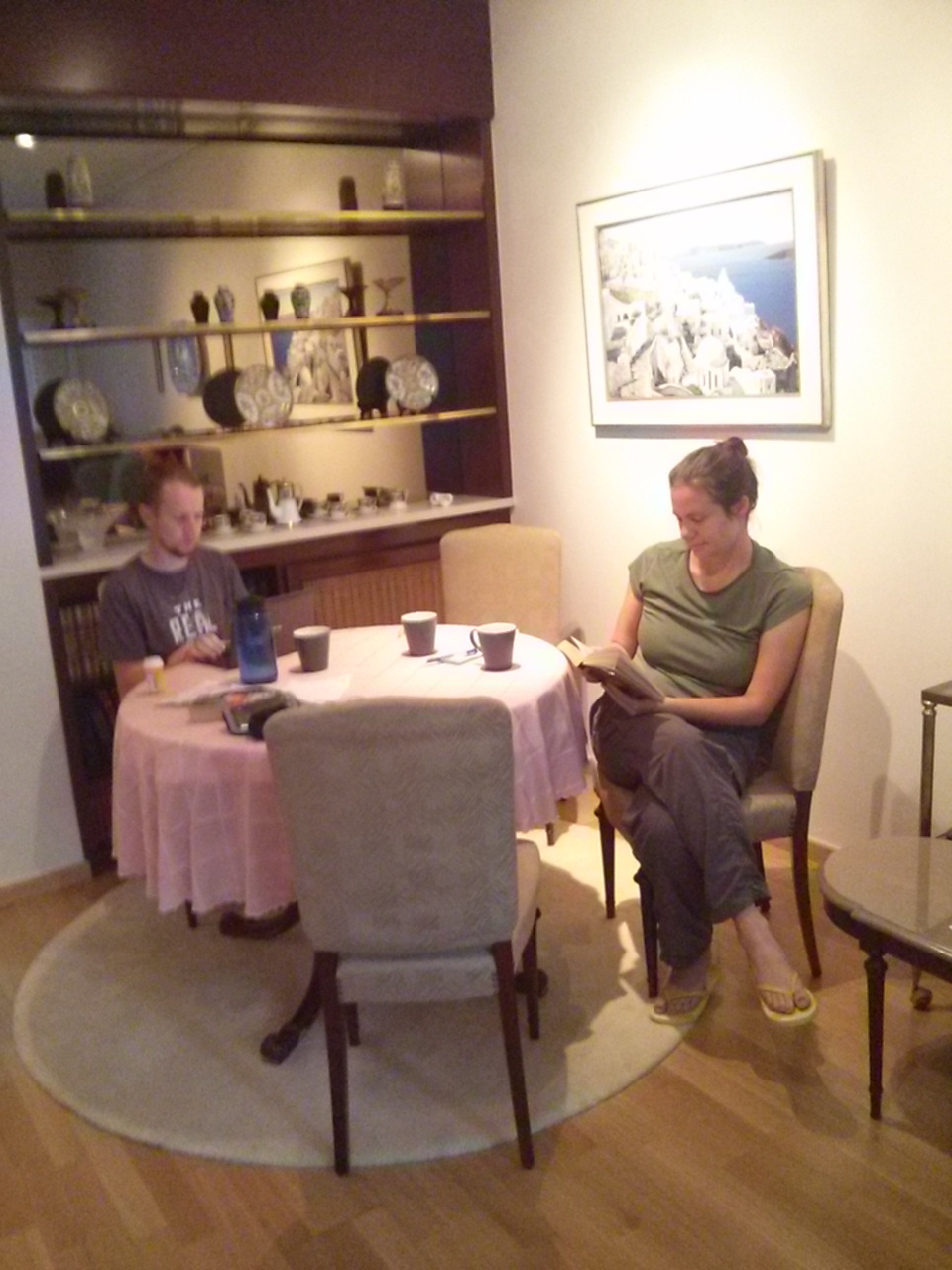
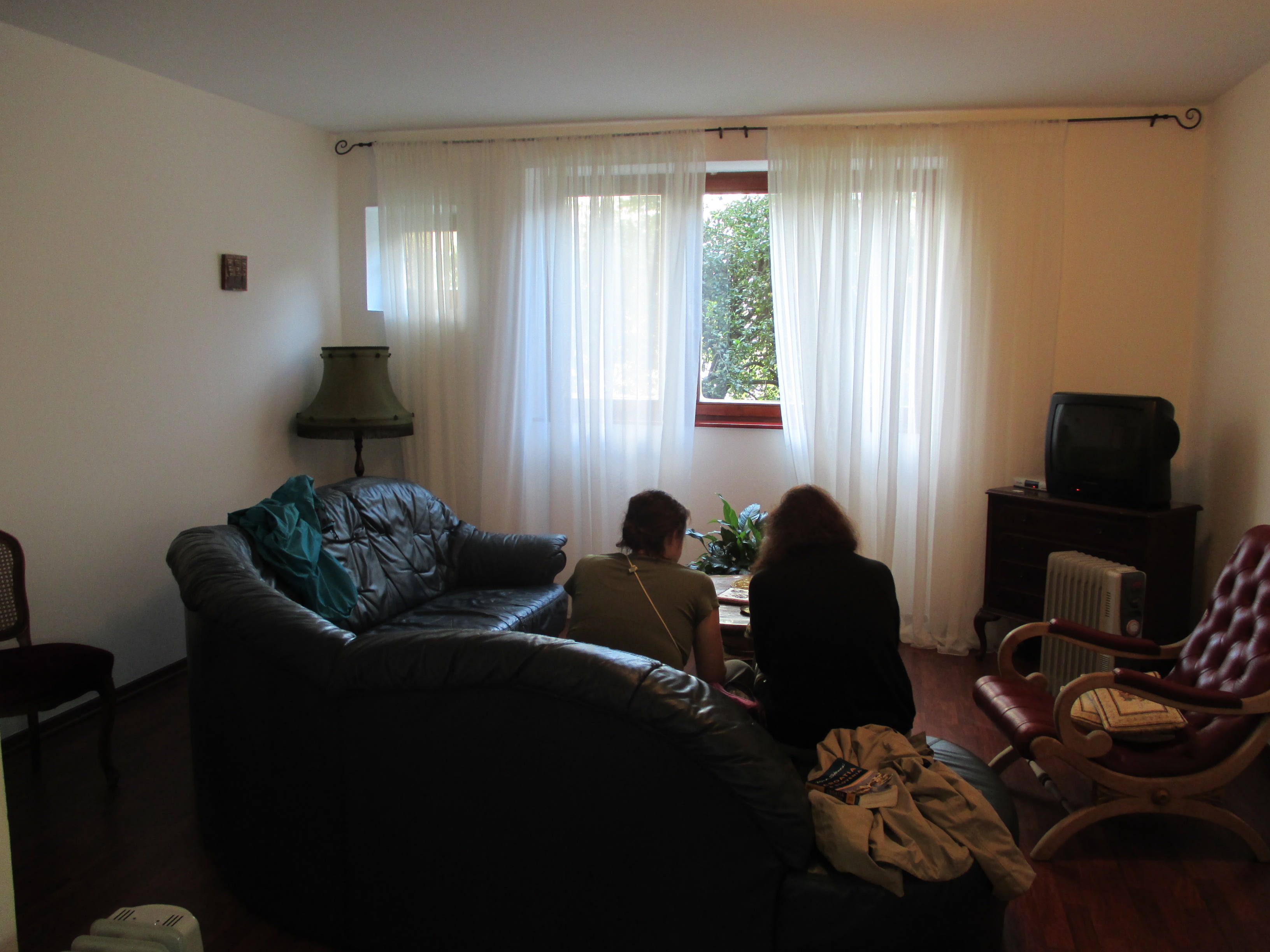
We met up with Della’s parents and sister for a few days of sightseeing in Athens. Finding a place for 5 proved to be a bit of a challenge, but we eventually found a fancy two-bedroom place on HomeAway (which is basically the same as Airbnb). Whereas some places felt like they were designed for rentals, in this case we were clearly living in the place that was the primary residence for the elderly owner: the decorations and fixtures seemed to match her personal tastes.

Reading at the dining table

Reading at the dining table

4. Third Bridge Campground, Moremi Game Reserve, Botswana – $79.05/night

We had heard that the campgrounds in Botswana were expensive, and the reputation turned out to be true. Granted, the facilities were nice, with hot water showers and flush toilets, but it still seems pretty outrageous.

This campground had a nice location in the middle of the park. We were a little annoyed that the management company messed up our reservation and we ended up having to share a site with another group on our first night. Luckily, they turned out to be very nice people who gave us a lot of great advice which we followed various times throughout the rest of the trip!

First night camp

First night camp

3. Khumaga Campsite, Makgadikgadi Pans National Park, Botswana – $101.37/night

That’s right, a campsite here cost just by itself cost more than our daily trip budget. Still, if we wanted to do our self-drive safari and stay in the best parks, we didn’t have many other options. We have mixed memories of this park: it was in a pretty setting, but we struggled with our first introduction to driving our 4×4 truck on sandy roads.

IMG_9355

1 (tie). Khwai Campsite, Moremi Game Reserve and Savuti Camp, Chobe National Park, Botswana – $101.90/night

Not to beat a dead horse, but who would have guessed that the most expensive place we stayed around the world wouldn’t have a roof?

Both of these campgrounds were pretty nice, although the Savuti site was mostly sand, and we did have our encounter with a hyena at Khwai.


We are pretty surprised that the expensive places were almost all Airbnbs and campgrounds, but we had good reasons for choosing to pay the amounts we did in each situation. Airbnbs provide savings by allowing you to self cater, and there just aren’t many alternatives for most campgrounds inside the parks. Luckily having to pay as much as we did at these places turned out to be an exception and not a rule!

We’ve Finished our RTW, so What Were Our Favorite… Ruined Cities?!

We’ve finished our RTW trip. We get a lot of questions about our favorite things on the trip. We’ve decided to start a new series called “So, What Was Our Favorite…” We visited 29 countries on our RTW: Egypt (just 1 day), South Africa, Botswana, Zimbabwe (just 1 day), Namibia, Germany (just 1 day), Czech Republic, Poland, Slovakia, Hungary, Croatia, Slovenia, Bosnia Herzegovina, Montenegro, Albania, Greece, Turkey, Ireland, USA, Myanmar, Singapore, Indonesia (just Bali), Cambodia, Laos, Thailand, Vietnam, Hong Kong, Macau, and Nepal.

This edition looks at our top 10 favorite ruined ancient cities. These are not in order from best to worst. They are just our top 10 favorite in the order in which we visited them.

Butrint (Albania)

Butrint was the first large ruin we visited in Europe. This archaeological site has a fascinating history: it has been the location of Greek, Roman, Byzantine, Venetian and Ottoman settlements. Old structures from all of these are scattered throughout this small park located on a peninsula in a lagoon off the Straits of Corfu.

IMG_2615_edt

Delphi (Greece)

The ancient site of Delphi was a pilgrimage site located in the Peloponnese of Greece. The biggest part of the site is the sanctuary of Apollo, the big destination for those coming to consult the Oracle. Delphi was an active site from at least the 8th century BC up until the 4th century AD (meaning even the Romans kept the site active). Since it was such a popular site, many of the different Greek city states built “treasuries” containing offerings to Apollo to thank the oracle for her advice. The most well-preserved of the treasuries is the Athenian Treasury, built by the Athenians to commemorate their victory at the Battle of Marathon.

IMG_2891_edt

Olympia (Greece)

Olympia was the host site for the ancient Olympic Games from the 8th century BC all the way until the 2nd century AD. These ancient games were not just an athletic competition: they were also a chance for the Greeks to pay tribute to their Gods. Therefore, the site has quite the collection of ruins, both for athletic and sacred events.

Temple of Zeus with fallen columns

Temple of Zeus with fallen columns

Mystras (Greece)

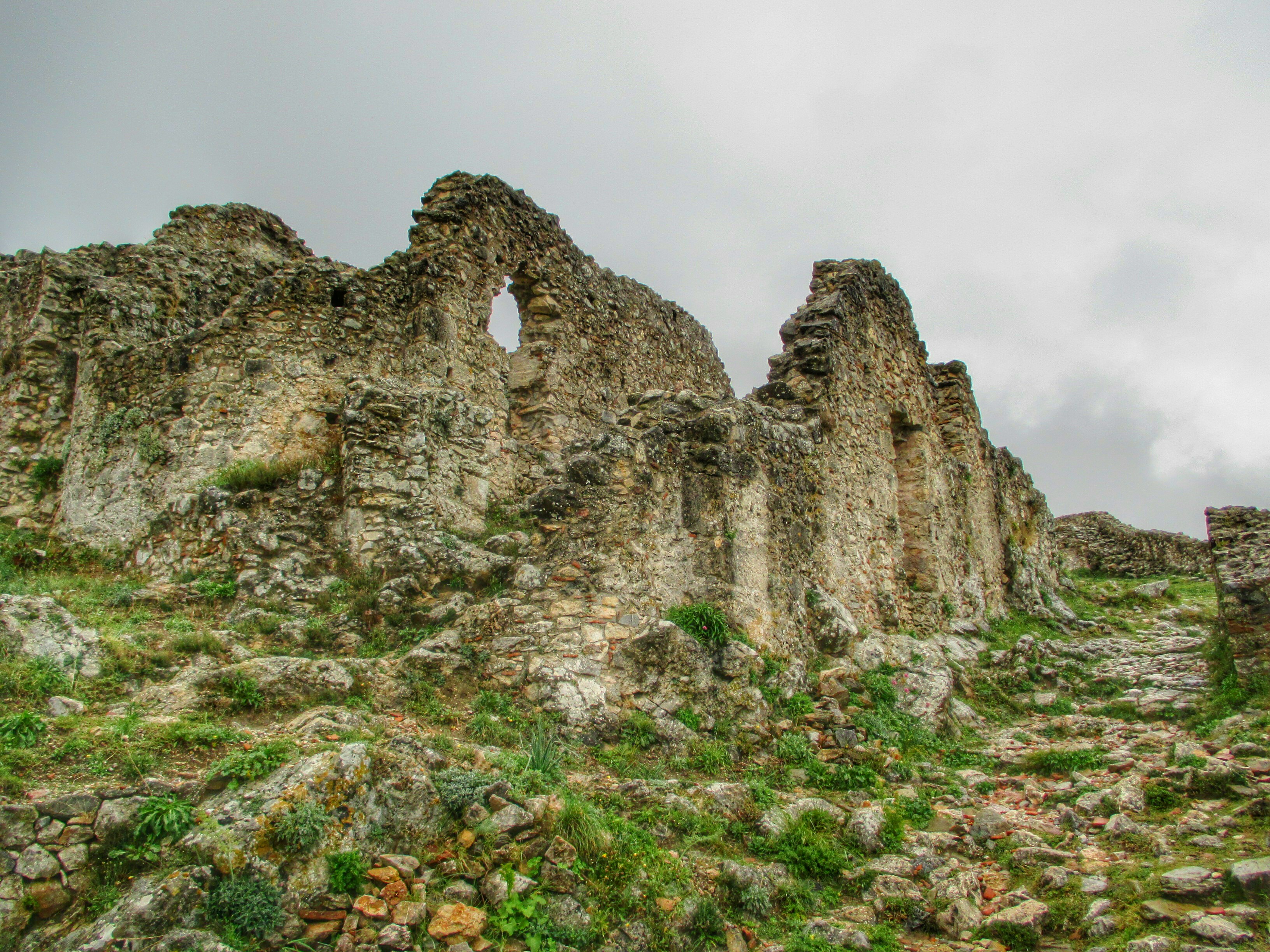
Mystras is the ruins of the medieval fortified Byzantine city located near Sparta. It is considered as one of the last remaining centers of Byzantine culture until the empire fell in the 15th century. It is located on a mountain with the ruins of the castle at the very top, with monasteries, the palace, and residences on the way down. The monasteries were both abandoned and active with some old but well-preserved frescoes that gave a glimpse into the Greek Orthodox culture as it existed during the late Byzantine period.

The ruins of the castle of Mystras

The ruins of the castle of Mystras

Ephesus (Turkey)

Ephesus is on the western coast of Turkey. According to Lonely Planet, it is the most complete classical metropolis in Europe. It started around the tenth century BC and was once part of the Ionian League. It also served as the Roman capital of Asia Minor. Its Temple of Artemis was the biggest on earth and one of the Seven Wonders of the Ancient World. Unfortunately, all that is left of that Temple is one solitary, lonely, rebuilt column. The rest of the site is quite extensive and includes a large marble-paved sacred way, lined by different structures, such as temples, fountains, public baths and even a public lavatory. The most impressive piece of architecture is the restored facade of the Library of Celsus.

Library of Celsus

Library of Celsus

Tlos (Turkey)

Tlos was one of the most important cities in ancient Lycia. It is a fascinating site because it has been pretty much continually occupied from the time of Lycia all the way up to the Ottoman Empire in the 19th century! It has the distinctive rock tombs of Lycia, as well as an a Roman-era acropolis, theater, stadium, and baths. In addition there are Byzantine church ruins and an Ottoman-era fortress atop the peak. Another thing that makes Tlos impressive is its absolutely awesome setting, situated in the foothills of the Akdağlar mountain range.

Distinctive Lycian rock tombs and sarcophogi

Distinctive Lycian rock tombs and sarcophogi

Bagan (Burma/Myanmar)

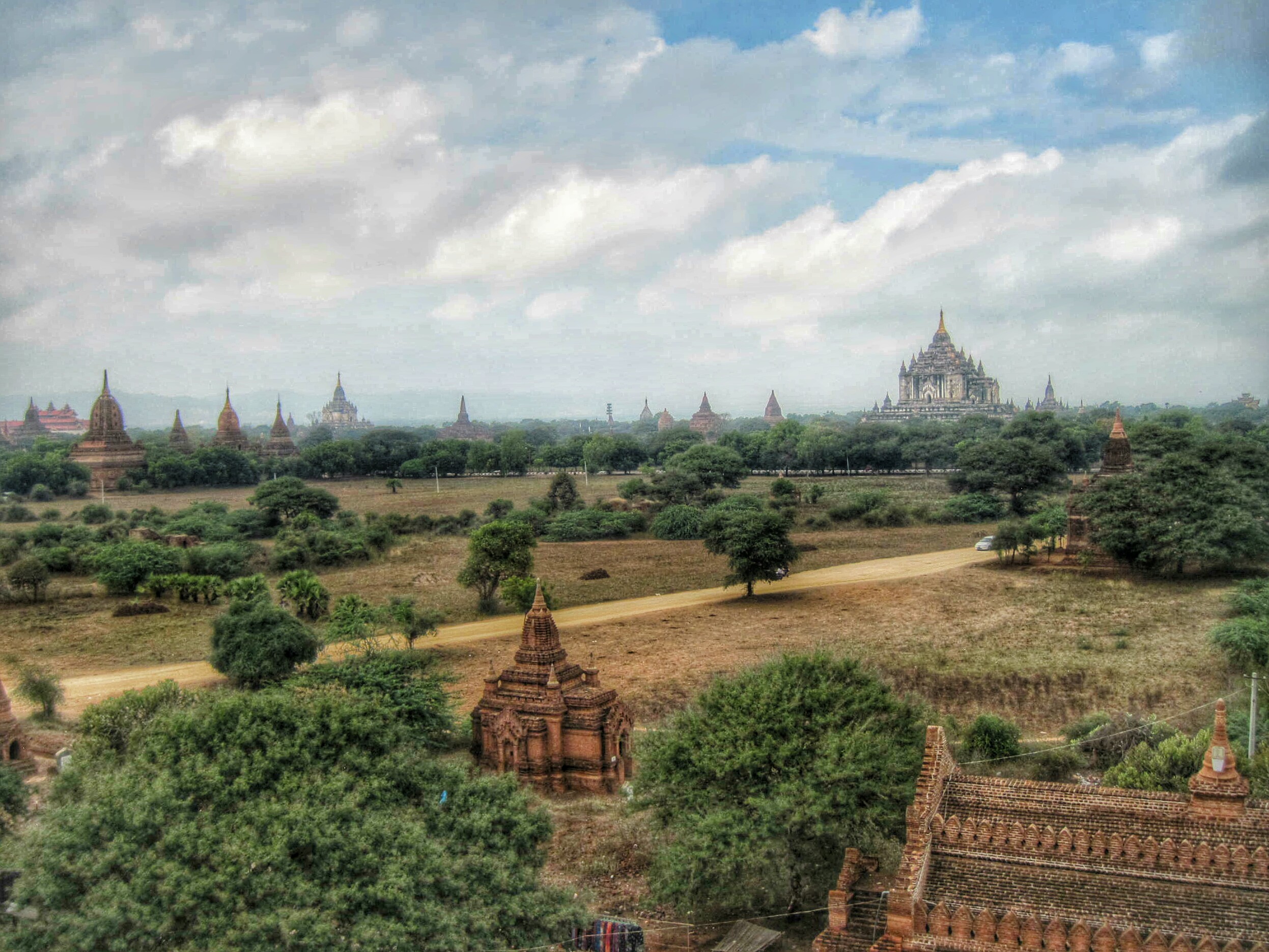
The area of Bagan  is a large plain next to the Ayerawaddy River that is covered with over 3000 Buddist temples built from 11th to 13th century.  After years of neglect, many of the temples have been restored and Bagan is one of the highlights of any itinerary in Myanmar. This site was the largest that we had seen thus far on the world trip.

View from Shwesandaw Paya

View from Shwesandaw Paya

Angkor (Cambodia)

This was another site that was extremely large, stretching over some 400 square km. Angkor  contains the magnificent remains of the different capitals of the Khmer Empire, from the 9th to the 15th century. The kings who ruled over the empire constructed large numbers of temples in the city as befitting of its status. They include the famous Temple of Angkor Wat and, at Angkor Thom, the Bayon Temple with its countless sculptural decorations, and many others.

IMG_7779_edt

Sukhothai (Thailand)

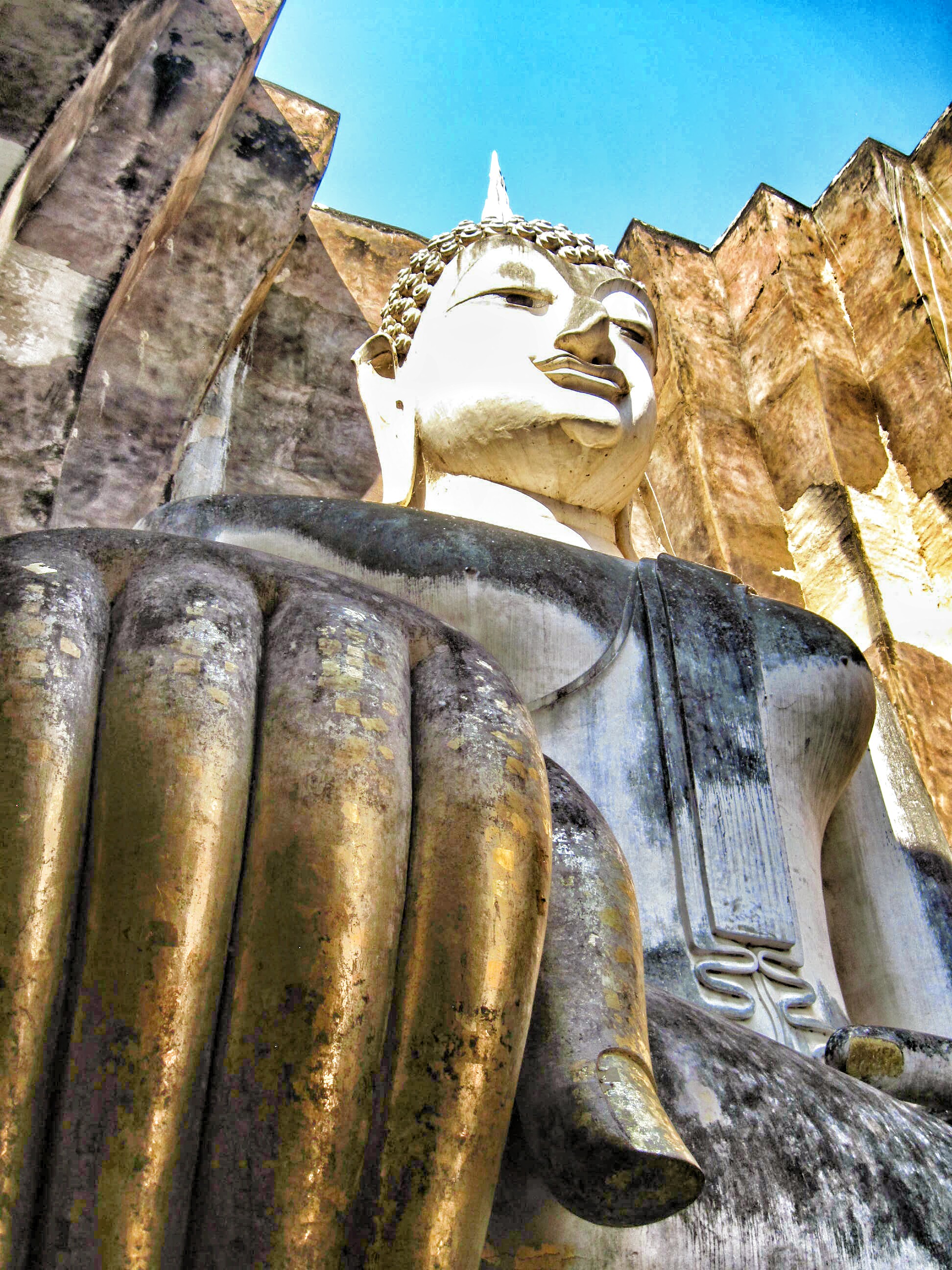
The Sukhothai kingdom came into prominence in the mid-13th century AD after the Khmer empire began to decline. It grew into a strong regional power and is known today for the unique artistic style that can be seen in the remaining temples. There are a large number of ruins to be seen which are spread out over a moderately-sized range. We particularly enjoyed Wat Si Chum, which contains an impressive large Buddha that is a great example of the Sukhothai style of art. The location of this image helps amplify its impact: at first you can only see the face, until you slip through a narrow passage and find yourself at the base of the immense seated figure.

Looking up at Buddha

Looking up at Buddha

Ayutthaya (Thailand)

The kingdom of Ayutthaya, located on an island in the middle of a river about 50 miles north of present-day Bangkok, came into prominence a couple of centuries later than Sukhothai. It was the capital of the kingdom of Siam and the major trading port with the outside world. An invading Burmese army destroyed most of the city in 1767, but some restoration has been done. Our favorite part was a unique and curious sight: the head of a Buddha image wrapped up in the roots of a tree. No one is sure how this got here.

IMG_9198_edt

Exploring Closer to Home: A Week in Northern New Mexico

We arrived home in Denver about 1 month earlier than we had intended. Because of this, we had one more month of summer to figure out. We were feeling a bit antsy and were working through a lot of feelings related to our experience in Nepal during the earthquake. We knew that Eric’s parents already had a short vacation planned in Red River, NM. We decided to drive down and join them and give ourselves a little bit more time to explore a bit closer to home. If you’d like to learn more about how to support Nepal after the earthquake, there are a few ideas here.

We loaded our car, making sure to be extra prepared. Our recent experiences in Nepal made us super aware of the variety of things that could possibly go wrong. We made sure to carry extra gas, extra warmth, extra food, etc. We drove through some excellent scenery south from Denver towards New Mexico. We arrived to Red River right around sunset and right before a downpour started.

IMG_1320_Fotor

It turned out that May in Red River was a low time for visitors. We were reminded of our experiences with walking dead tourism in Turkey as we had to go to 3 different places to find an open restaurant for dinner!

IMG_8024

Taos

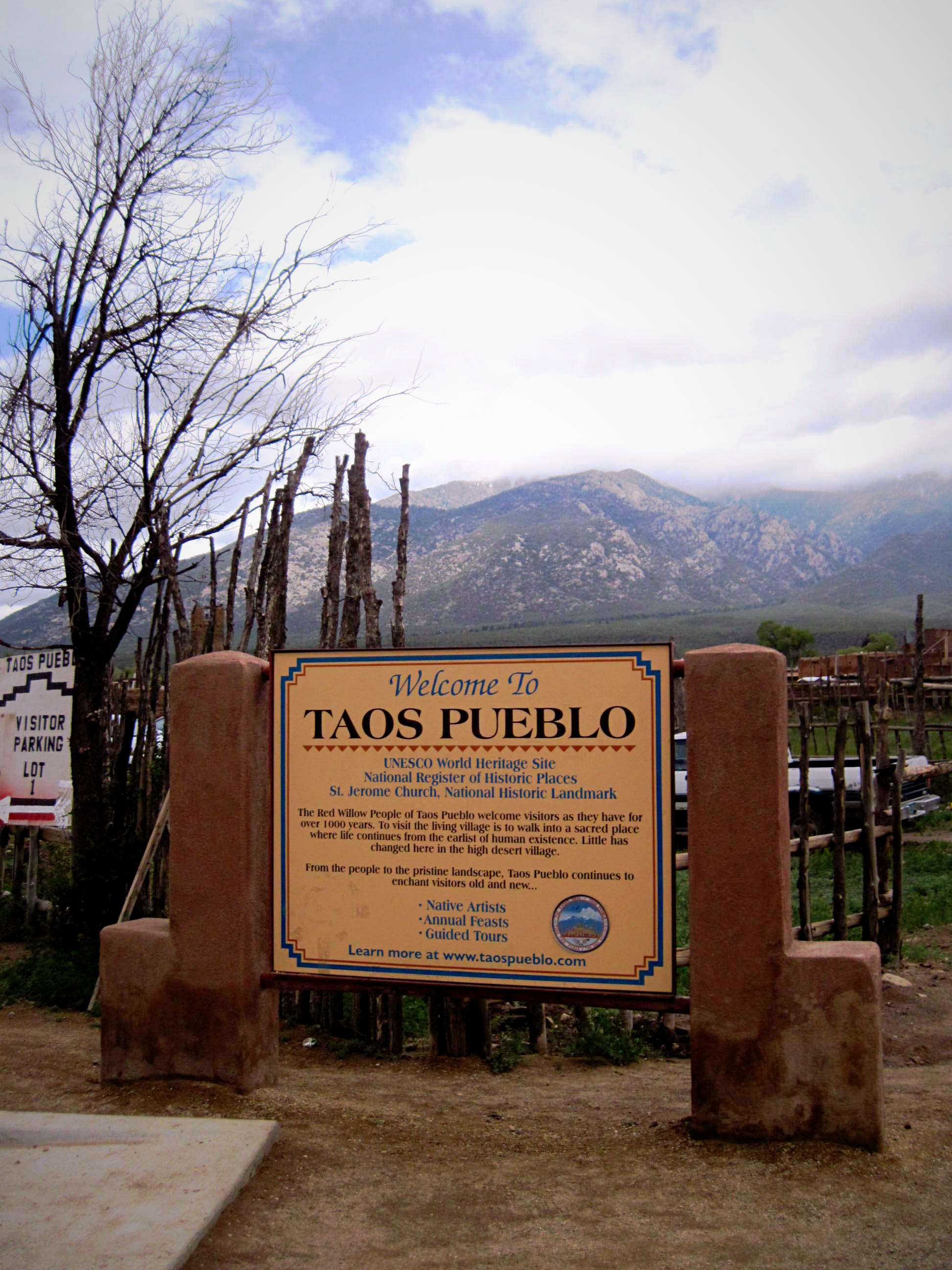
The next day we headed out to visit Taos. We were excited to add another UNESCO site to our list as well as explore a town we had never really seen. Our first stop was the town visitor center where we picked up a self-guided walking tour guide and got more information about things to do in the area. But, our first stop was Taos Pueblo.

IMG_1323_Fotor

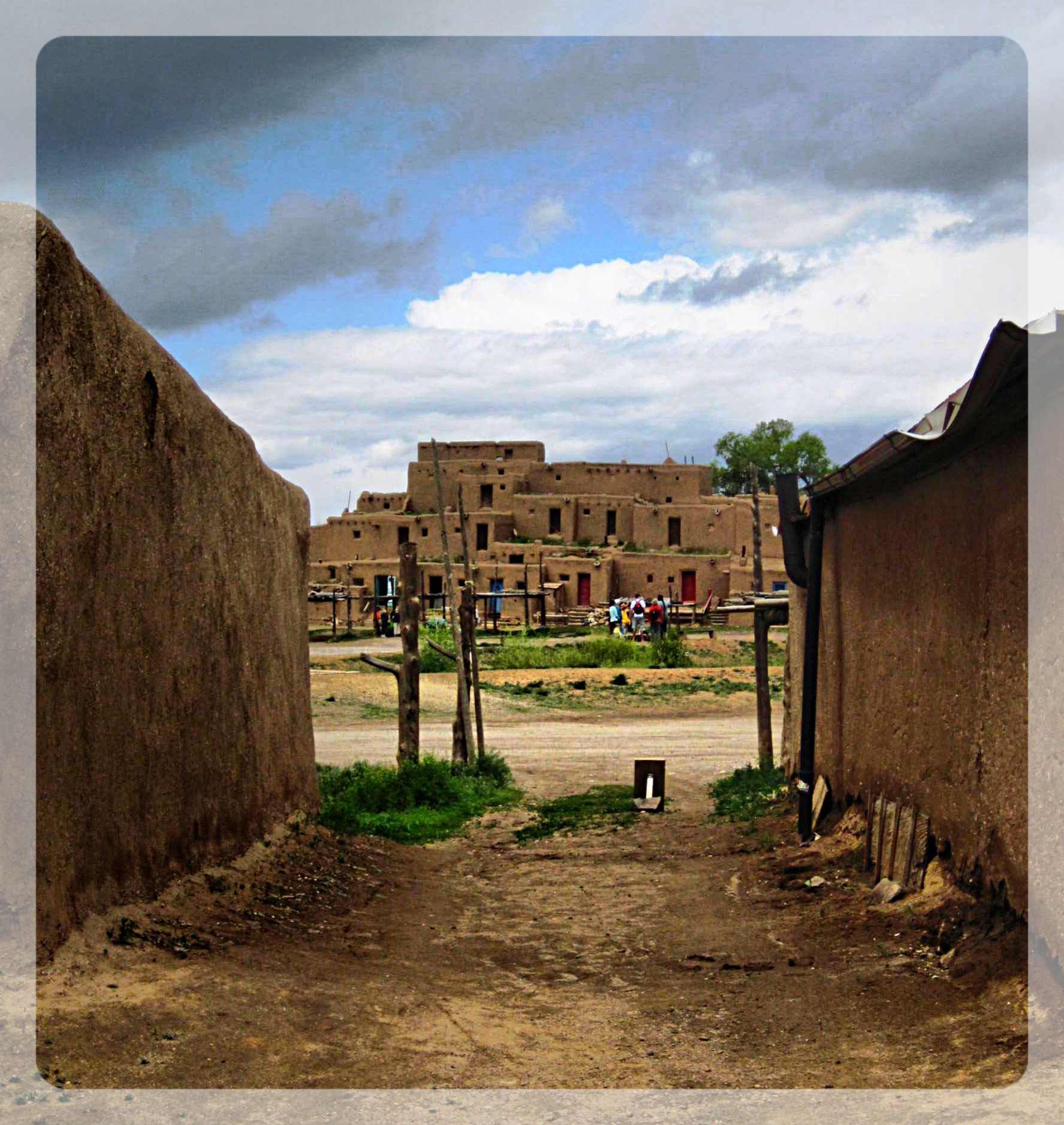
Taos Pueblo is an ancient Pueblo about 1 mile outside of Taos. It is designated a UNESCO world heritage site. The site is made up of several multi-story adobe buildings that have been continuously inhabited for more than 1000 years.

IMG_1352_Fotor

When visiting Taos Pueblo, you pay an entrance fee which includes a tour of the site by a native of the Pueblo. We enjoyed this tour, on which we learned a bit about the history of the Pueblo and more about the culture and traditions of the people who have lived there for so long.

We learned that the oldest buildings were built perhaps sometime between 1000 and 1400 AD. Currently there are about 150 people who live in the pueblo. The Puebloan families own a home within the Pueblo that they use for holidays and religious ceremonies, though they often live outside the Pueblo. The Pueblo and about 48,000 acres of mountain land above the valley belong to the native people. They structure their own government and education system within the Pueblo.

We learned a bit more about how the adobe structures are built and maintained. In addition, we toured St. Jerome’s Church and learned more about the religion that the Puebloan people practice. They are about 90% Catholic, but ancient (and secretive) native rituals are performed alongside the Catholic traditions.

We were surprised to learn that they are a very secretive people. Our guide was not allowed to describe any of the private rituals, ceremonies, or holidays observed in the Pueblo. He was also not allowed to describe much of the native religious beliefs or education practices.

Please check out the Taos Pueblo website to learn more about this fascinating site.

IMG_6812_Fotor

After our visit to the Taos Pueblo, we headed back into modern Taos. We spent the rest of the afternoon exploring there. First we visited the iconic St. Francisco de Asis Church, which was made famous by artists such as Georgia O’Keefe and Ansel Adams who painted/photographed it. Then we headed back downtown to follow our self-guided walking tour. We walked up Kit Carson Avenue past art shops, through Taos Plaza and inside the old courthouse to see some murals. Then we headed through Guadalupe Plaza and up LeDoux street. At the end of LeDoux, there was a winery tasting room. Della was intrigued and Donna and Steve had never been to a winery, so we headed inside to take a break and get a few tasters. We enjoyed most of them, though Donna decided that she really doesn’t enjoy most red wine. We finished the tour at an old settlement a few blocks away, enjoying the lovely light as the sun started a slow descent.

We then drove out to the Rio Grande Gorge Bridge, which appears in the middle of a flat plain way over the Rio Grande below. We parked and walked out on to the bridge. A bit scary looking down, and when it vibrated with trucks passing by. But the views were really incredible.

We started to head home, but made a last minute decision to stop at Taos Mesa Brewing Company on the same road. It seemed to be in the middle of nowhere but it was packed with people for trivia night! We got a bunch of samplers of beer and dinner.

Wild Rivers Recreation Area

The next day we decided to head to Wild Rivers Recreation Area which was about a 1 hour drive from Red River. Again, the park seemed mostly empty. In fact, when we first headed to the ranger station, it was closed. Luckily, a ranger showed up a few minutes later to give us some advice. He recommended checking out the confluence of the Rio Grande and Red Rivers and then doing the Big Arsenic Springs trail. We ate lunch at the confluence, enjoyed the windy view and then headed to the trailhead. We hiked a mile down on some rocky trail (making us cross our fingers for no earthquakes). Near the bottom we moved through a campground and on to some petroglyphs. After a quick snack, we headed down the river to Little Arsenic camp and then head up the canyon from there. It was a little longer than anticipated, so made for good exercise.

Valles Caldera National Preserve

We were heading to Chaco Canyon next, so had a couple hours driving to get there. We left after brunch and made a few stops along the way. We enjoyed a quick wine tasting at La Chiripada Winery in Dixon. This was a much less structured tasting than the last, but enjoyable as well. We stopped for lunch in Los Alamos. The on and off rain we had been experiencing all day lead us to keep driving. We headed out of town toward the Valles Caldera National Preserve. We arrived late afternoon in some mist and rain without much of a plan of what to do. Fortunately, the park wasn’t busy and a ranger offered to give give us a guided tour of the Caldera in his van. He was able to give us lots of information about the caldera’s geology, history, and status as a park. The park is unique because the land is owned by the Federal Government but is managed by a trust. This has created an interesting experiment in land management. The trust does continuing ranch operations while opening the preserve to visitors. We also stopped at an interpretation cabin and listened to another employee tell us more about the area and about some of the movies and TV shows that have been filmed in the preserve. These include the 2013 version of The Lone Ranger with Johnny Depp and the TV series Longmire.

Chaco Culture National Historical Park

We drove from Valles Caldera to the small town of Cuba, which we had read was the closest town to our next destination, Chaco Culture National Historical Park (also known as Chaco Canyon). We got one of the last rooms at one of the few motels in town, the Frontier. We had a nice New Mexican dinner at El Bruno’s just down the road – much better than what we expected for such a small town!

IMG_8128

Getting to Chaco Canyon requires quite the journey. The last 13 miles of the road are unpaved and rough, but our Subaru handled it well. The main attraction at the canyon is visiting the extensive ruins built by the Chaco culture between 900 and 1150 AD (a little before the well-known cliff dwellings at Mesa Verde), now a UNESCO World Heritage site. We picked up some maps and headed out to hike the different self-guided trails through the best-preserved of the ruins.

The first set of ruins, called Una Vida, is just outside of the visitor center. It was windy and cold, so we bundled up and set out on the trail. A small brochure described how the structures we were seeing were part of what seems like a pueblo or some other gathering place for a large group of people, with ceremonial kivas scattered throughout. One of the most interesting parts was the masonry: the walls were built with many small flat rocks stacked on top of one another. We also took a side trail up the canyon wall to see some petroglyphs.

We drove through the park and stopped at the trailhead for the two biggest sites: Pueblo Bonito and Chetro Ketl. We had just started our tour through Pueblo Bonito when a hailstorm hit, leading us to take shelter pressed up against one of the ancient walls. Once the storm passed, we continued our tour of this massive example of what archaeologists call a “Great House,” since it seems to be a living structure for a large number of people. This one, a large multi-story complex, had at least 650 rooms at its height. The path took us through some small doorways and into some of the structures.

The sun came out as we passed by more petroglyphs on of walk to Chetro Ketl, another Great House. This one was a little smaller, having about 500 rooms.

We were running out of time in the day, so we rushed over to our final stop, Casa Rinconada. The attraction here is a massive Great Kiva, a ceremonial structure seen in all Ancient Puebloan sites. When in use, it was covered with a roof and had a fire going inside in a large fire pit. It functioned as a place for religious and cultural ceremonies.

Around 1140 AD, the Chacoan culture collapsed, perhaps caused by a severe drought. Archaeologists think that the people migrated to neighboring communities, but do not know definitively. Many of the Native American tribes in the area, such as the Hopi and Pueblo, have oral traditions that describe the people from Chaco Canyon as their ancestors.

As we left the park, the sun came out again, and a beautiful rainbow crossed from one side of the canyon to the other.  It was a picturesque end to our time in New Mexico. We split from Eric’s parents; with them headed back to Texas and the two of us headed north to Colorado for a visit to another UNESCO site. It was an enjoyable time, and a good way for us to get another small taste of traveling as we adjusted to life back home.

What Were the Cheapest Places We Stayed?

Over the course of our round-the-world trip, we stayed in quite a variety of accommodations, from campsites to dorm rooms to AirBnb apartments. The price range varied widely as well. We ran some numbers and came up with a list of the 10 cheapest places we stayed. The price shown is the total cost for the two of us.

This does not include the nights where we had free accommodations by staying with friends and family, or when our parents treated us, or when we were on an overnight form of transportation.

10. Tie – AirBnb in Sarajevo and Emerald BB in Battambang, Cambodia – $15.33/night

When with Della’s parents in Sarajevo, Bosnia and Herzegovina, we got a nice two-bedroom unit with a large living room and kitchen for very cheap. Spoiler alert: this is the only place on the list that is not in Asia!

The living room of our Sarajevo Airbnb

The living room of our Sarajevo Airbnb

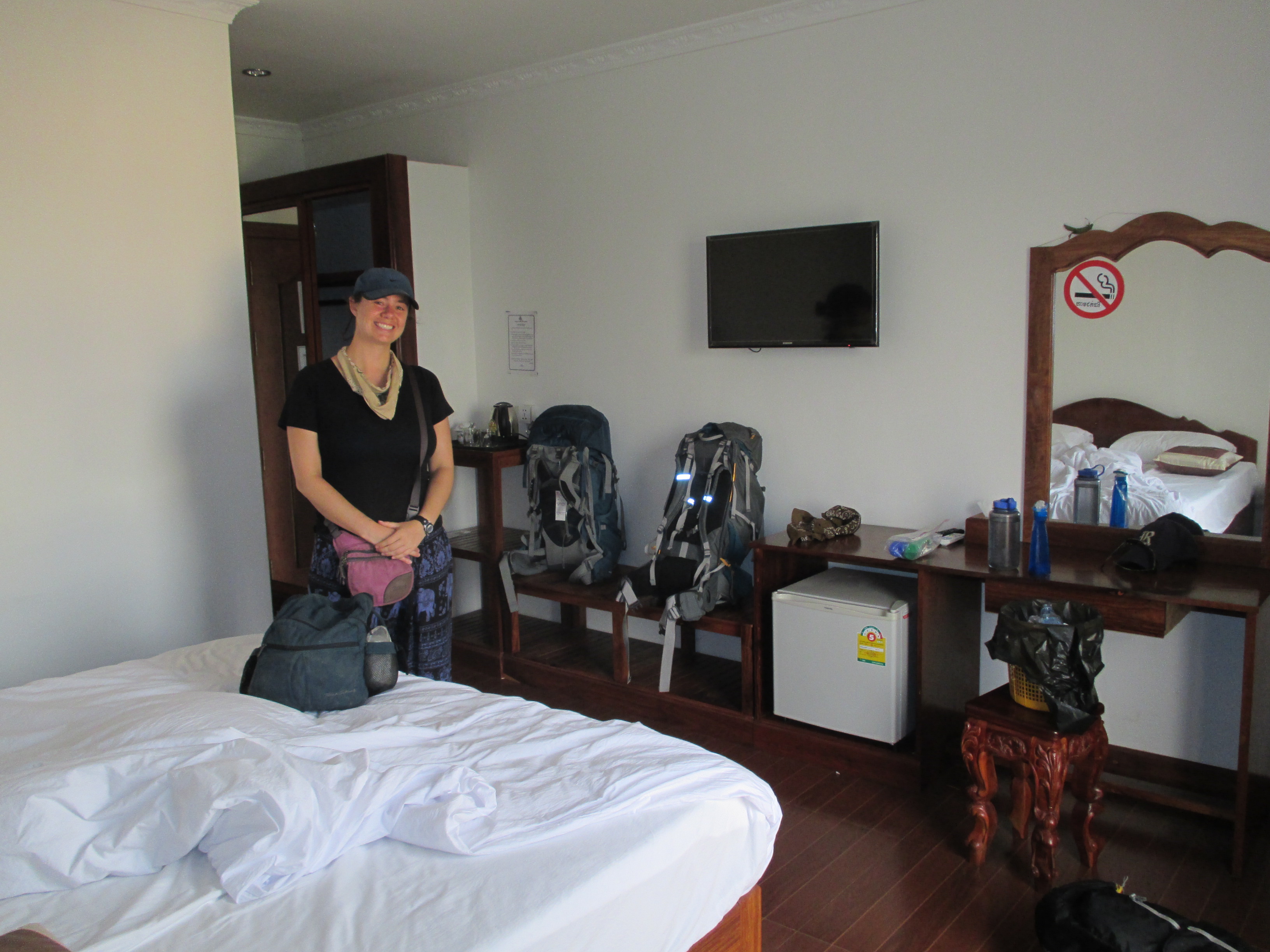
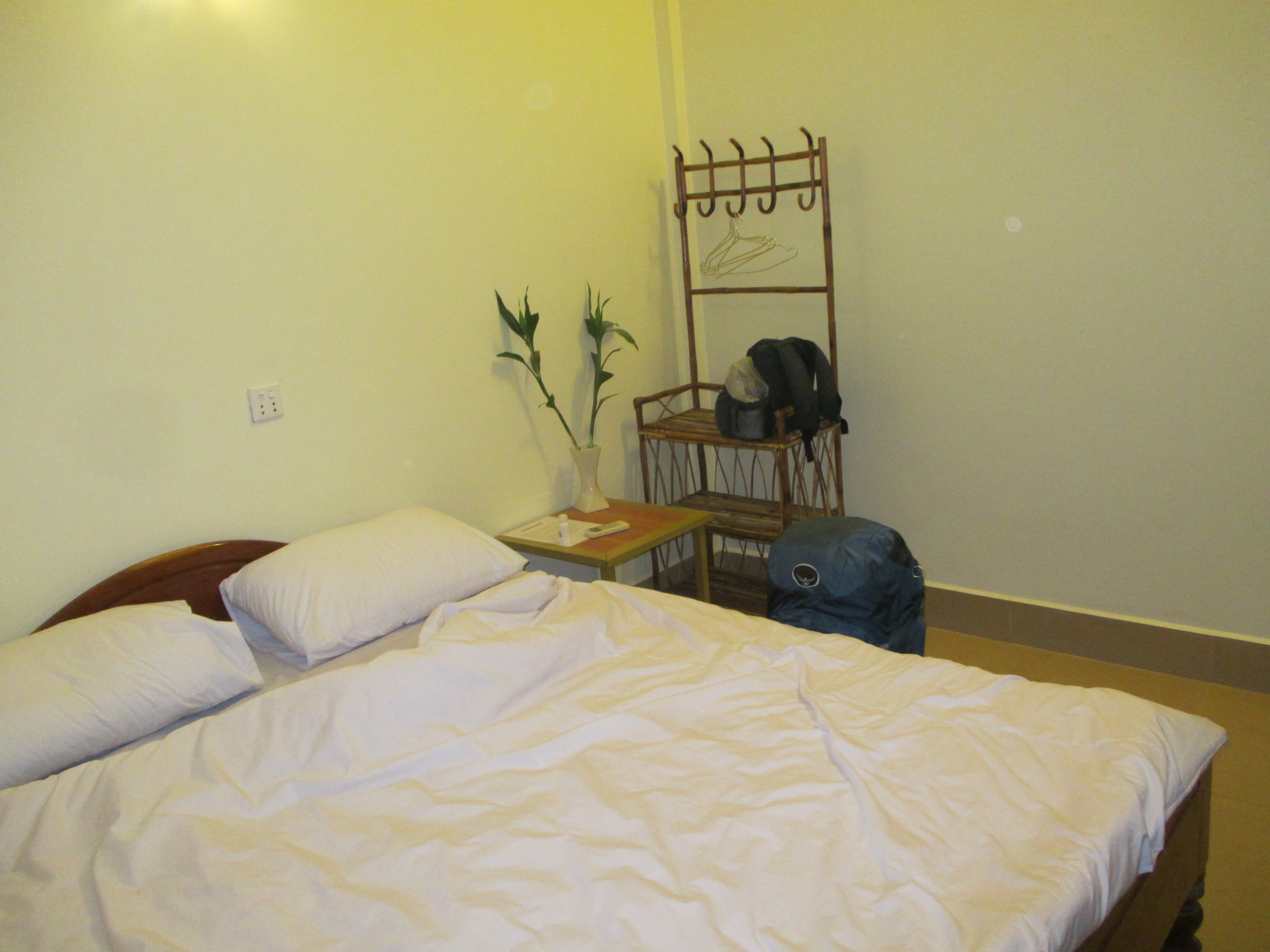
In Battambang, Cambodia, we got a nice room with an ensuite bathroom at the Emerald BB. Despite the name, breakfast was not included, and the building felt more like a hotel.

Our room at the Emerald BB in Battambang, Cambodia

Our room at the Emerald BB in Battambang, Cambodia

9. TopSky Hostel in Siem Reap, Cambodia – $15/night

We switched to this place for our last three nights in Siem Reap. Despite what the name implies, this felt more like a guesthouse. We got a private room with an ensuite bathroom and A/C, which was nice to come back to after long days exploring the temples of Angkor.

Topsky

Topsky

8. Easy Tiger Hostel, Phong Nha, Vietnam – $14.85/night

We each got a bunk in the 4-bunk dorms at this popular hostel in Phong Nha. The dorm did have its own bathroom. Surprisingly, this is the only dorm that makes the list (since as you can see, private rooms are still pretty cheap in Asia).

The Easy Tiger

The Easy Tiger

7. Nonni Guesthouse, Chiang Mai, Thailand – $14.68/night

We stayed here on our first two nights in Chiang Mai but moved to a different place for a little more space, as the room was a little small and we had a shared bathroom across the hall. It had friendly and helpful staff.

Our first accommodations in Chiang Mai

Our first accommodations in Chiang Mai

6. Gieng Ngoc Hotel, Cat Ba, Vietnam – $14.60/night

Impressive because we even “splurged” for a room with a balcony overlooking the scenic Cat Ba harbor!

The view of Cat Ba harbor from our balcony

The view of Cat Ba harbor from our balcony

5. Hotel Bright Star, Kathmandu, Nepal – $12/night

This family-run hotel had a nice location in the tourist area of Kathmandu, and the owner was very kind and helpful. We really hope that he is able to rebuild his place that was damaged after the neighboring building collapsed in the earthquake.

Hotel Bright Star on its quiet street

Hotel Bright Star on its quiet street

4. Sunny Hotel, Hue, Vietnam – $11.97/night

We had a nice but small room on the top floor of this friendly hotel in Hue. We got a lot of exercise walking up and down the stairs to get there!

IMG_6998

3. Vadsana, Pak Beng, Laos – $9.92/night

This was where we stayed on our first night of our trip on the slow boat from Luang Prabang to Thailand. It was a basic room but decent-sized room, and we didn’t spend much time here anyway.

Della and Eric's hotel room

Della and Eric’s hotel room

2. Thanomsub, Huay Xai, Laos – $8.68/night

This was our room the second night of the slow boat trip in this border town. We were able to lower the rate slightly by negotiating as a group with other people on our boat. Again this was quite a bit of room for a small fee.

IMG_5951

1. Surya Peak Guest House, Syabru Besi, Nepal – $2/night

By far our cheapest room of the entire trip was at this guesthouse at the start of our Langtang Trek. It was pretty basic, with thin walls and a very rustic bathroom down the hall, but there weren’t many other people staying there so it was quite comfortable.

IMG_1148

It’s interesting to us to look back over this list and realize how many of these “cheap” places were actually very comfortable to stay at. Many people think that to afford a long trip you have to only stay in the rattiest dorms, but as you can see, in many parts of the world you can get your own room with its own bathroom and not have to break the bank.