RTW Timeline: 4th Century BC

After seeing so many interesting sites and learning many facts about places all around the world, we thought it would be interesting to arrange the different places and events on a timeline to provide more of a context for the different highlights.

Towards the end of the fifth century BC, Athens lost the Peloponnesian War to Sparta and the classic era of Athens came to an end. However, Greece was still a major player in the events of the world, with the conquests of Alexander the Great spreading its influence far and wide.

380 BC – Butrint Fortified With a New Wall

The city of Butrint in present-day Albania was a Greek city that grew in importance during this era, enough so that a large wall was built to protect the inhabitants of the island. We walked through this wall on our visit to the ruins on a day trip from Saranda. This site was later a major Roman city, so the Greek ruins were mixed in with those from later time periods.

IMG_2668

375 BC – Temple to Aesclepius constructed at Epidavros

The Greek city of Epidavros was a pilgrimage site for those looking to be healed of physical ailments. Therefore, a temple to Aesclepius, the god of health, was built here. Not much is left of the temple today. We visited Epidavros as a day trip from Nafplio.
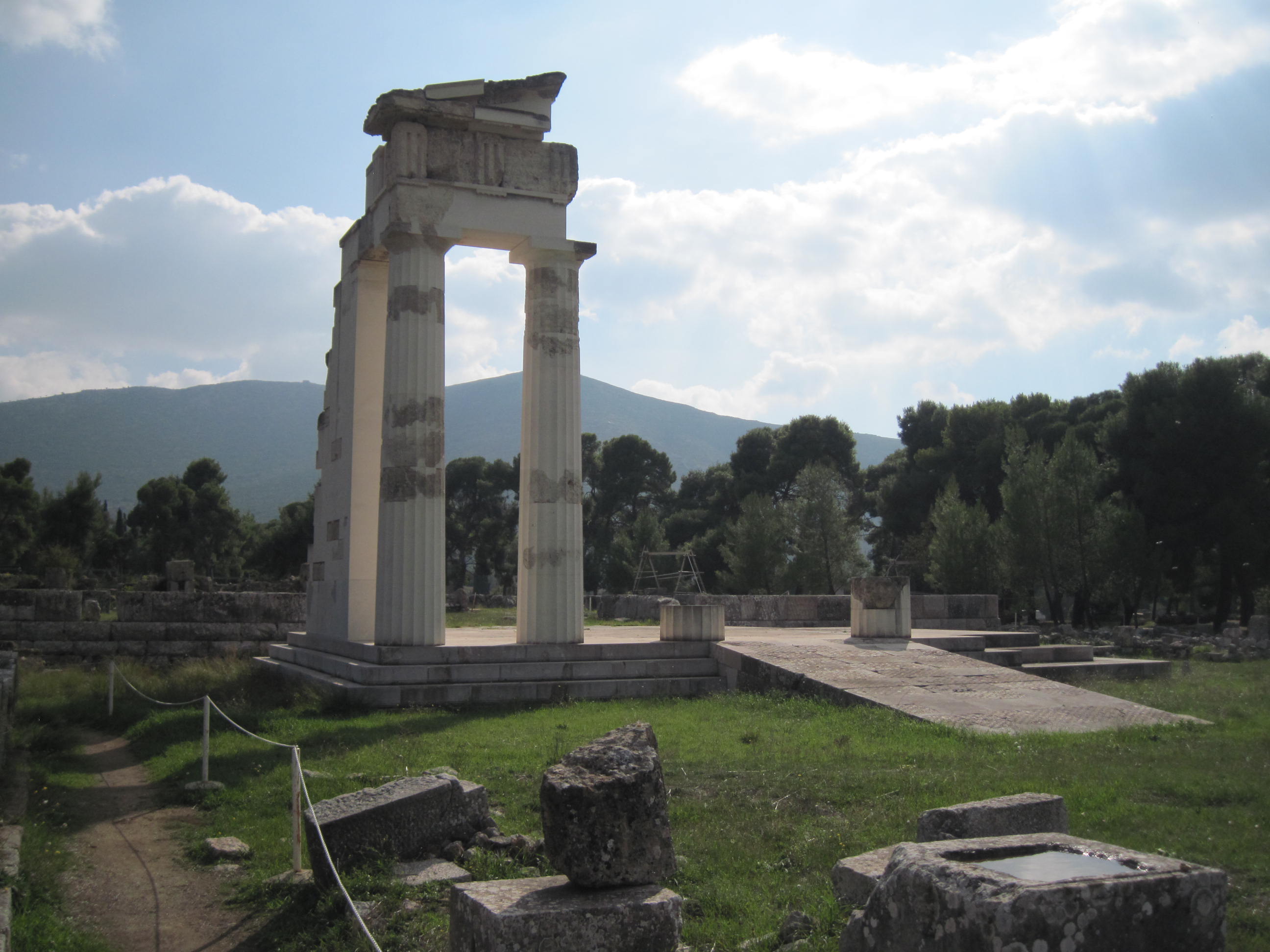
The temple

The temple

360 BC – Tholos at Delphi Built

One of the most iconic ruins at the Greek city and pilgrimage site of Delphi is the partially reconstructed ruins of a tholos, a circular temple. Archaeologists are still debating the purpose of this structure.

In front of the Tholos

In front of the Tholos

Mid 4th Century BC: Stadium at Olympia Moved to its Current Location

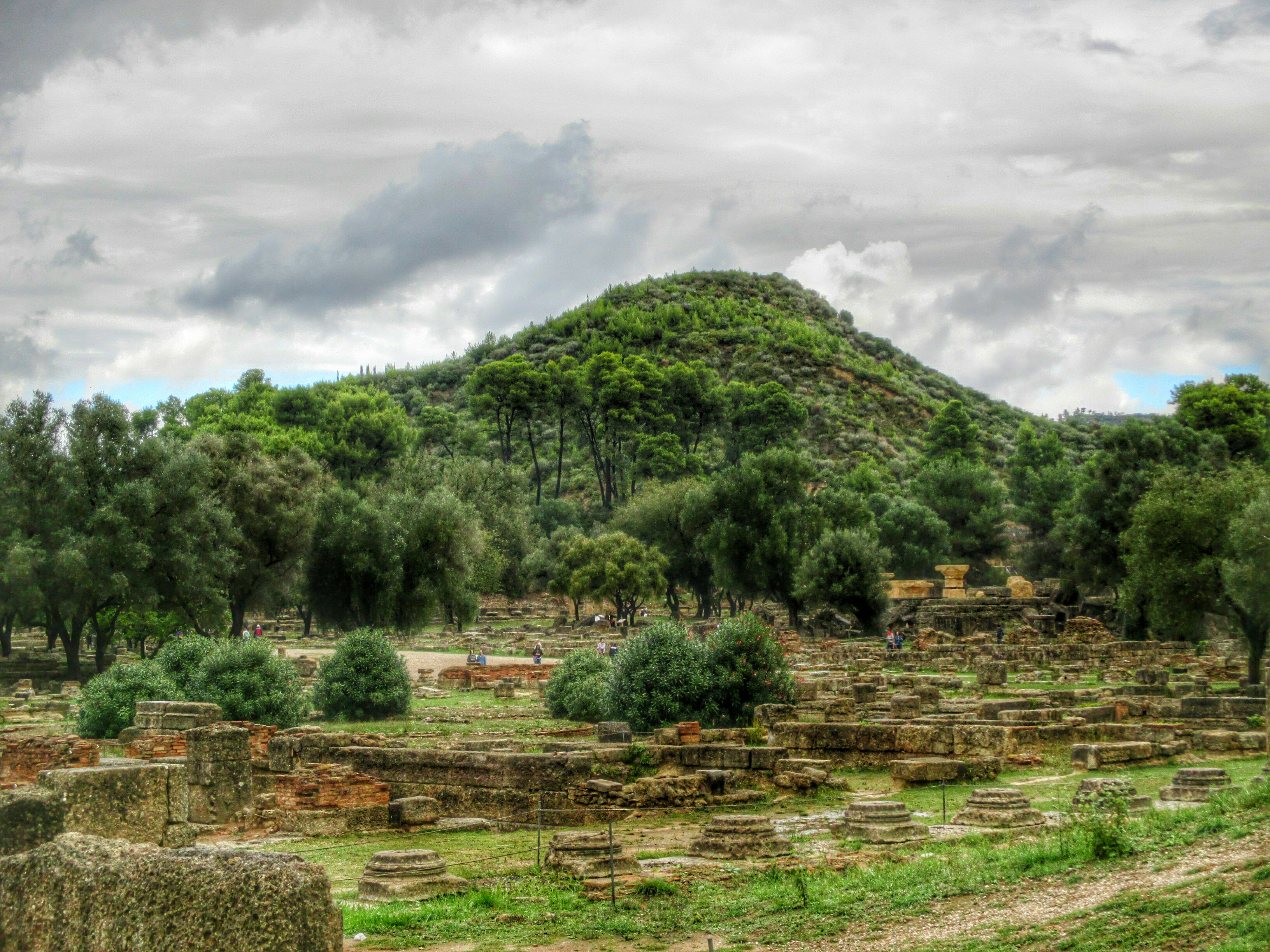
The city of Olympia was the site of the ancient Olympic games, a Panhellenic competition between athletes from all over Greece. We spent a nice afternoon in the ruins of this stadium.
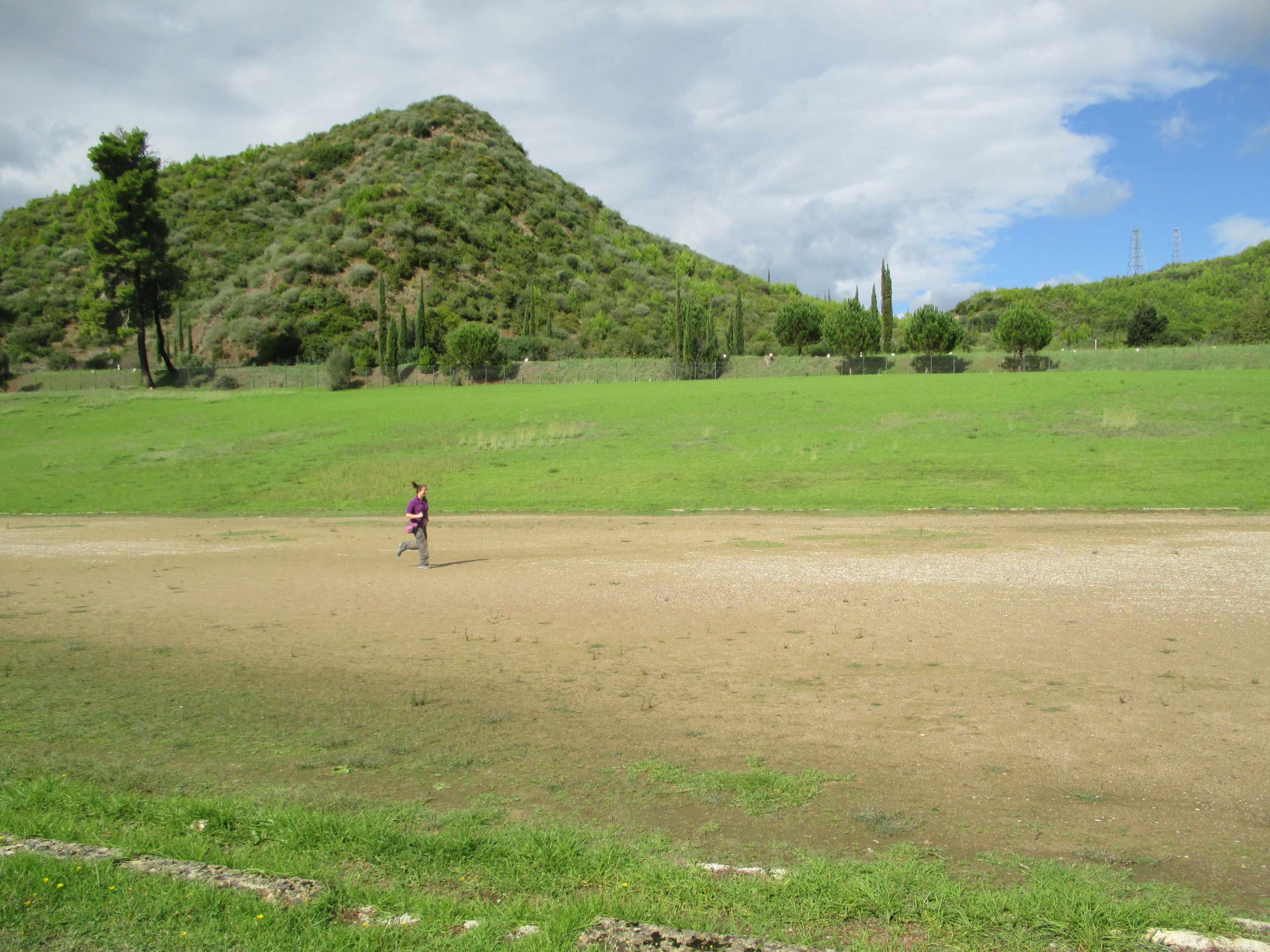
Racing the track

Racing the track

350 BC – Tomb of Amyntas built by the Lycians in present-day Fethiye, Turkey

The Lycians were a civilization based along the “Turquoise Coast” of southwestern Turkey which existed concurrently with the Greeks and Romans. They were known for creating elaborate tombs in which the rock was carved to look like wood. A grand example of one of the tombs is carved into the hill overlooking Fethiye.

The Tomb of King Amnytas

The Tomb of King Amnytas

Sometime in the 4th Century BC – King’s Tomb built in present-day Kaş, Turkey

Another type of Lycian tomb we saw was in the style of an elaborate sarcophagus elevated off the ground on a large platform. There is an impressive example of this style of tomb called the “King’s Tomb” in the middle of the modern city of Kaş.

King's Tomb Jelfie

King’s Tomb Jelfie

340 BC – Antikythera Ephebe sculpted

This bronze sculpture was found as part of the Antikythera shipwreck, hence its name. It is considered one of the classic Greek sculptures. Since we can’t see what object the subject is holding, we aren’t sure who it is, but many people believe it is Paris holding the golden apple. We viewed this sculpture at the National Archaeological Museum in Athens.

Paris

Paris

338 BC – Phillippeion in Olympia constructed

Philip II of Macedon, Alexander the Great’s father, had a monument constructed at Olympia to celebrate his victory in the Battle of Chaeronea, in which he defeated an alliance of Greek city states including Athens.

The Phillipeon

The Phillipeon

330 BC – Temple of Apollo at Delphi rebuilt after an earthquake

The main attraction at Delphi was the Temple of Apollo from which the oracle would issue prophecies and give advice.

Jelfie in front of the entrance to the temple

Jelfie in front of the entrance to the temple

330 BC – Initial Construction of Theater at Epidavros

As mentioned earlier, Epidavros was a pilgrimage site for those looking to be healed. Its main attraction today though is its large Greek theater, which has been amazingly well-preserved. We enjoyed taking turns standing on stage while the other person ran to the top to test the amazing acoustics.

IMG_2863_edt

329 BC – Panathenaic Stadium rebuilt in marble

This large stadium in Athens was the host site for the Panathenaic Games, another Panhellenic festival held every four years. It was extensively renovated and reused for the first modern Olympics as well. We stayed in an Airbnb just behind this stadium during our second visit to Athens.
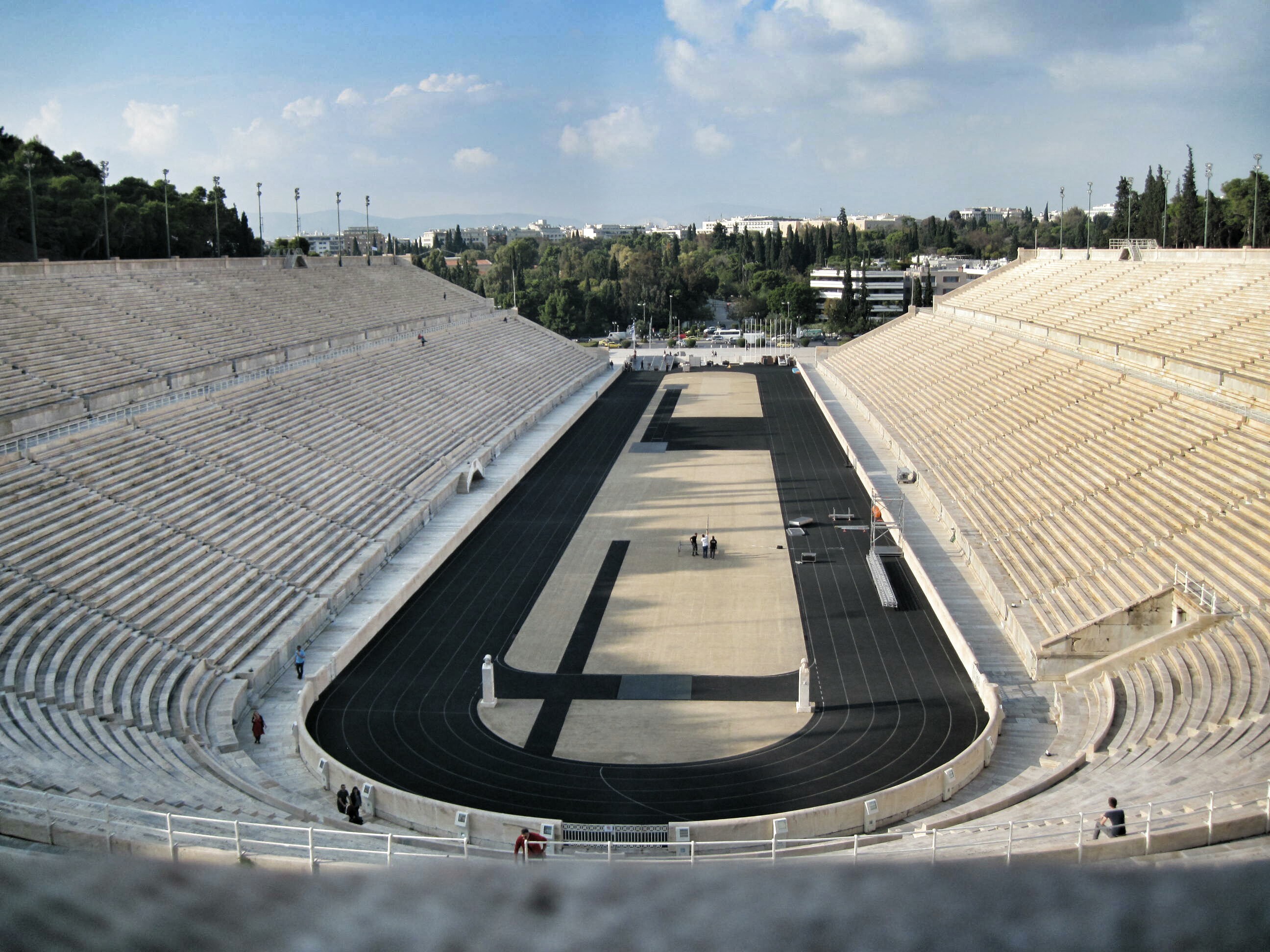
The view from the end of the stadium. They were setting up for the marathon finish line

The view from the end of the stadium. They were setting up for the marathon finish line

Last Quarter of 4th Century BC – Doric Tomb built in present-day Kaş

In addition to the King’s Tomb mentioned earlier, Kaş also has another impressive Lycian tomb on a hill overlooking the city. It is called the Doric Tomb based on the shape of the column outlines carved into the wall.
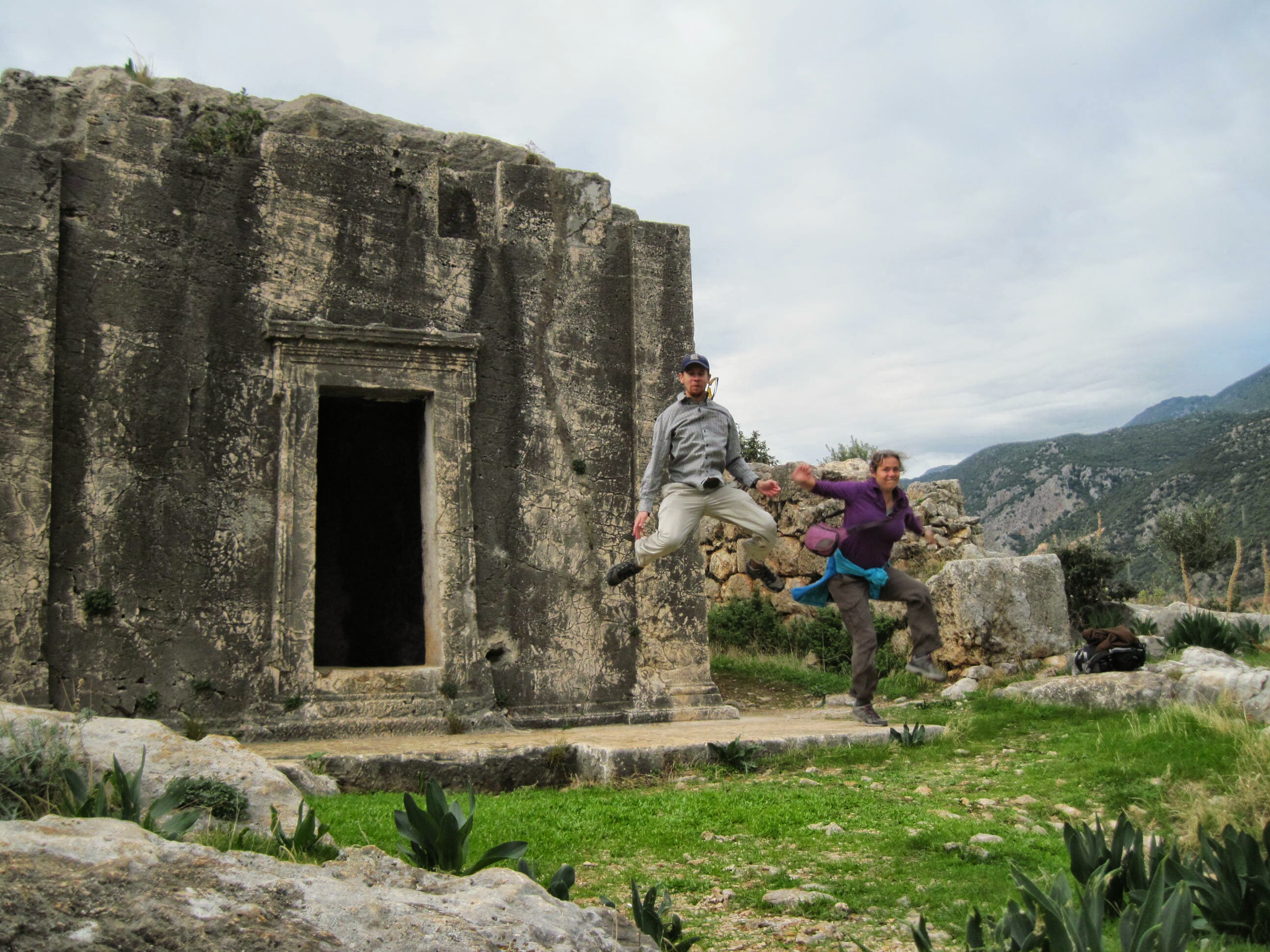
Cube Tomb Jelfie

Cube Tomb Jelfie

323 BC – Alexander the Great Dies

We didn’t see any artifacts related to Alexander the Great, but his death was such a large event that we thought it was worth putting onto the timeline for context. He had stretched his empire from Greece all the way to present-day Pakistan. He died at the age of 32.

After Alexander’s death, Greece entered into what is known as the Hellenistic period. Greece’s influence remained strong, but its art and culture would not continue to make the great steps forward that it had during the classical period. In addition, a new power began to arise in the Mediterranean which would shape the next few centuries.

RTW Timeline: 5th Century BC

After seeing so many interesting sites and learning many facts about places all around the world, we thought it would be interesting to arrange the different places and events on a timeline to provide more of a context for the different highlights.

In our previous installment covering the first half of the first millennium BC, we saw the Greek culture grow and develop, leading up to an explosion of culture and history in the period we will cover today, the 5th century BC. This is considered to be the classical era of Greece, and especially of Athens as that was the center of much of the development.

490 BC – Athenian Treasury built at Delphi to celebrate victory at Battle of Marathon

The sanctuary at Delphi was surrounded by structures built by the city-states of ancient Greece, given as offerings to the oracle in thanks for the good advice. After Athens defeated the Persians in the battle of Marathon (the one that gave the modern race its name), the city dedicated a treasury in Delphi to show its thanks and display the spoils of victory.

Failed jelfie in front of the Athenian Treasury

Failed jelfie in front of the Athenian Treasury

480 BC – King Leonidas of Sparta dies at the battle of Thermopylae

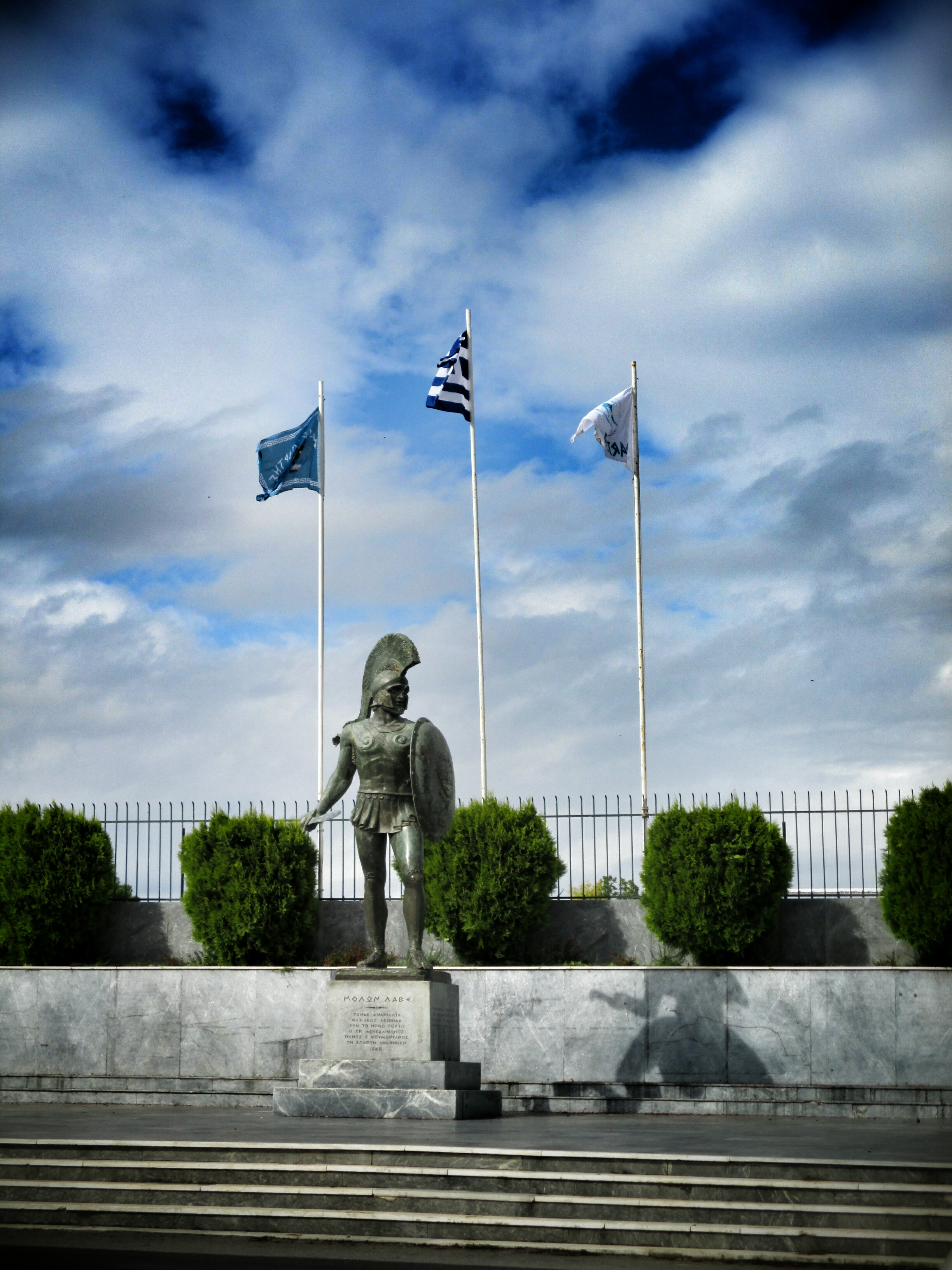
King Leonidas led the militaristic city-state of Sparta on the Peloponnese peninsula. He died in the battle of Thermopylae against the Persians (the same battle dramatized in the movie 300). There is a large contemporary statue of him in the modern city of Sparta which we visited.

A statue for King Leonidas (main character in 300)

A statue for King Leonidas (main character in 300)

478 BC – Serpent Column erected as part of a sacrificial tripod in Delphi

We actually saw this column at its current location in Istanbul. Emperor Constantine moved the column from Delphi to Constantinople for use as a decoration at his new Hippodrome.

The serpent heads on the top of the column were removed at some point

The serpent heads on the top of the column were removed at some point

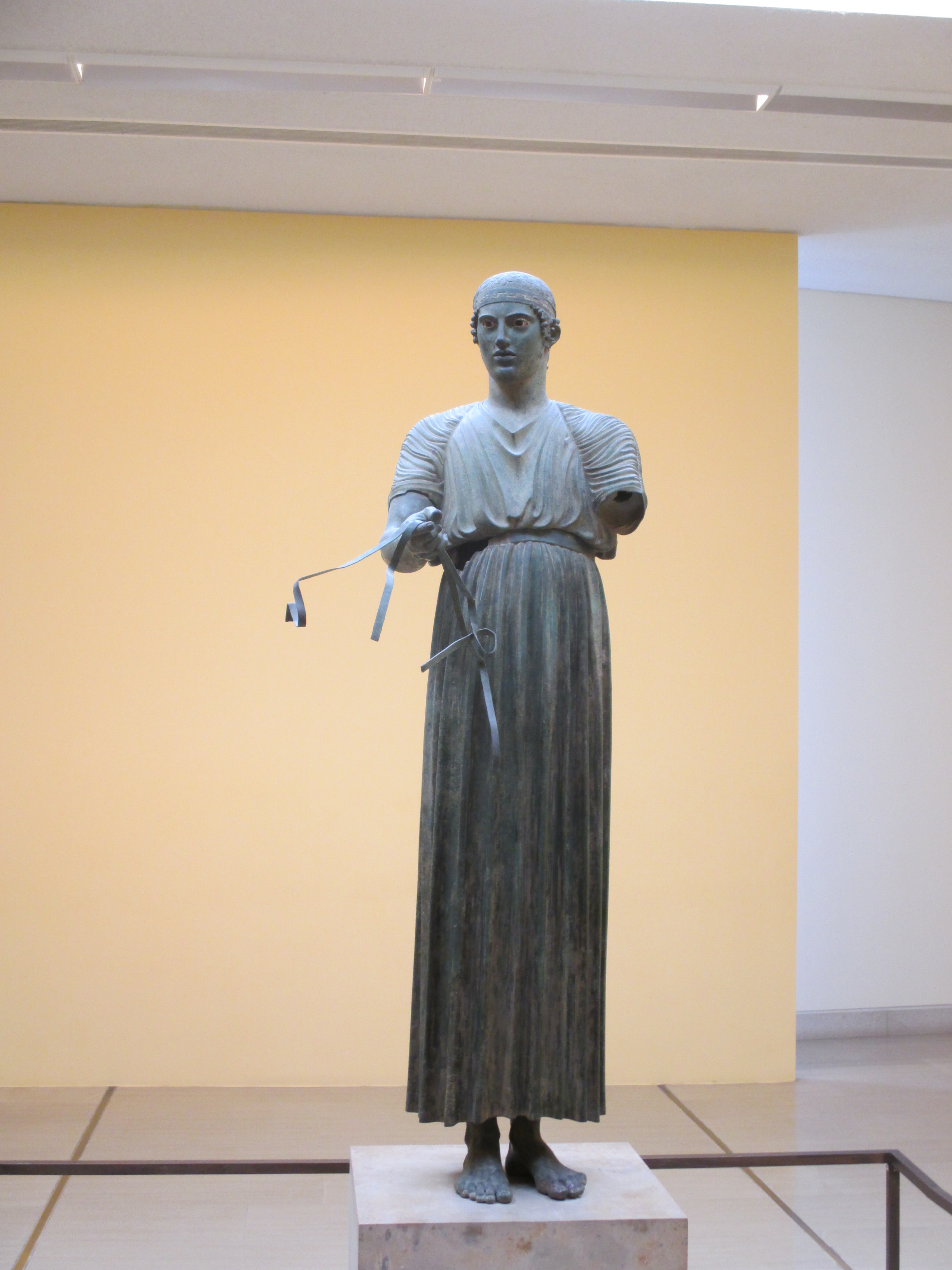
474 BC – Charioteer of Delphi created

We viewed this well-known striking bronze sculpture at the archaeological museum in Delphi.

The famous Bronze Charioteer

The famous Bronze Charioteer

460 BC – Artemision Bronze Sculpted

Art historians don’t know if this depicts Zeus or Poseidon, since he could either be hurling a lightning bolt or a trident. The date for this sculpture is also just a guess, because it was found as part of a shipwreck about which not much is known.

Zeus/Poseidon

Zeus/Poseidon

456 BC – Temple of Zeus Built in Olympia

This was the largest temple at Olympia. Today, only one of the massive Doric columns has been reconstructed.

Temple of Zeus

Temple of Zeus

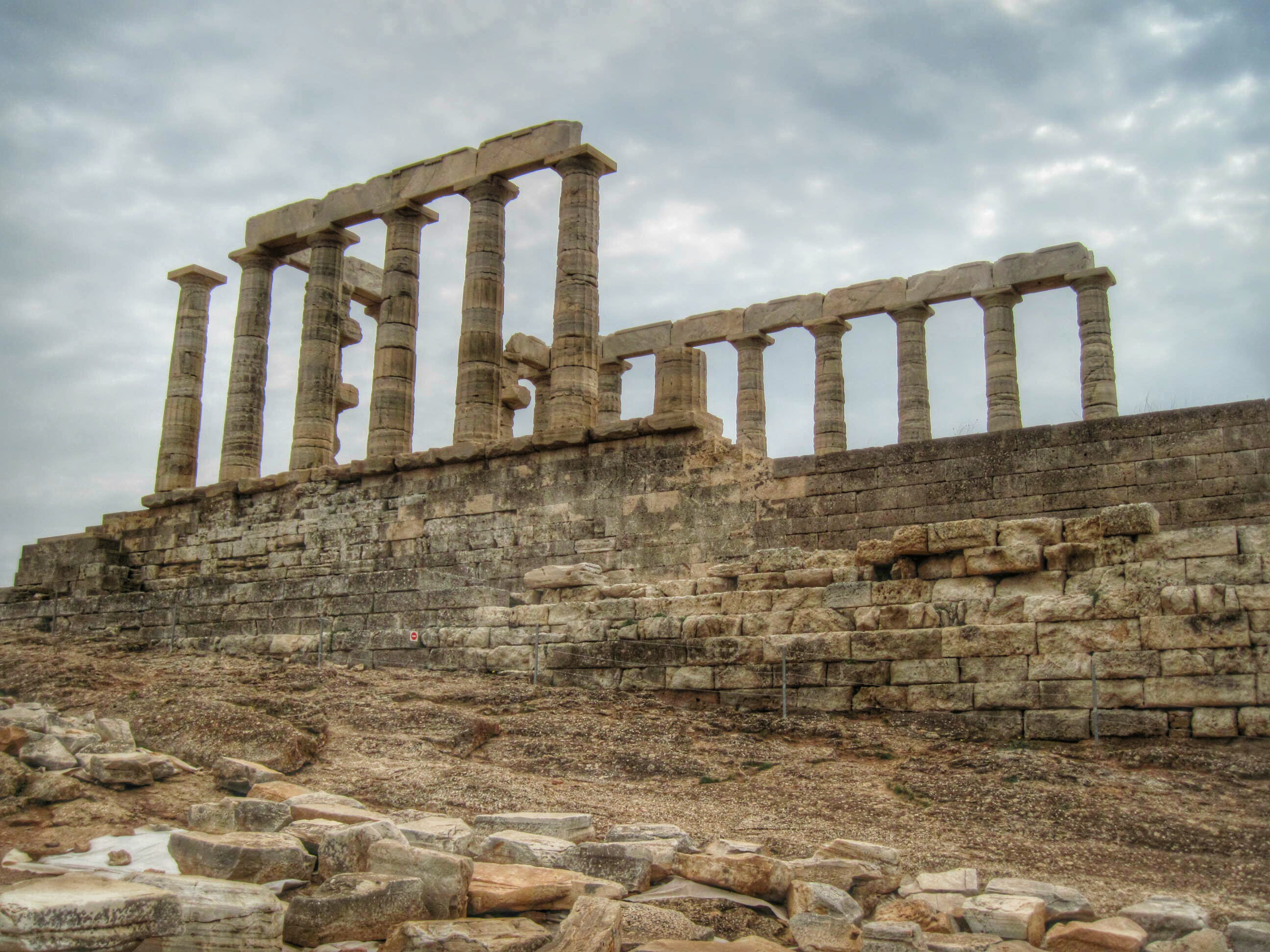
440 BC – Temple of Poseidon at Sounion constructed

This temple, located on a promontory overlooking Cape Sounion, was a pilgrimage site where those about to take a sea voyage could make offerings to the god of the sea.

The Temple of Poseidon

The Temple of Poseidon

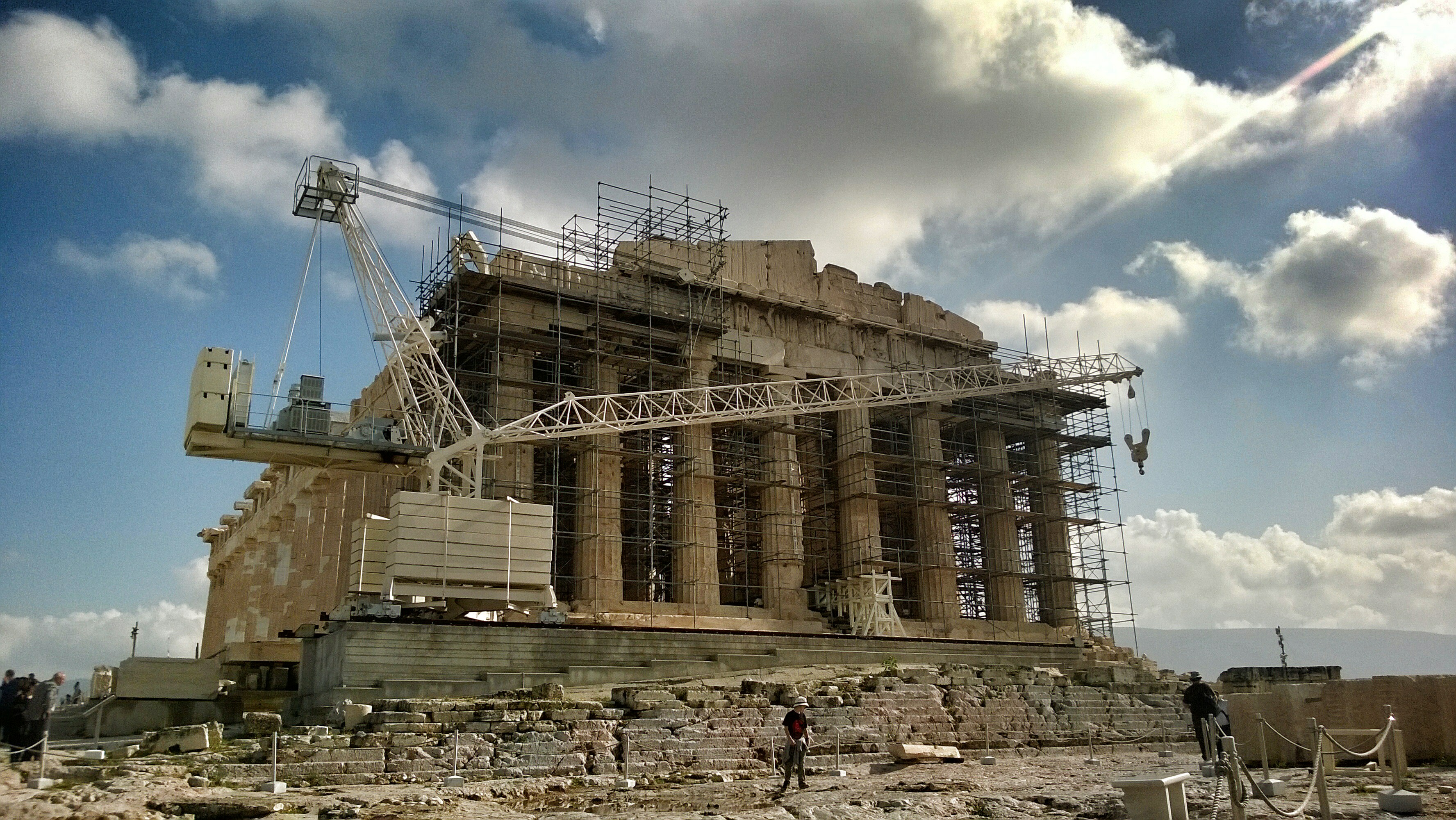
438 BC – Parthenon Completed

The classic Greek temple dedicated to Athena, the patron of Athens, sits on the acropolis overlooking the city below. The decorative sculptures have been removed and it is under recontruction, but just seeing it in person was a great experience.

The Parthenon

The Parthenon

432 BC – Construction of Athenian acropolis Propylaea halted due to outbreak of Peloponnesian War

Athens dominated the Classical age of Greece, but it didn’t last for too long. War eventually broke out between Athens and the Peloponnesian city-states (led by Sparta). Costs for the war drained money from the treasury, and the ceremonial entrance to the Acropolis, the Propylaea, was never completed.

The Propylaea is still the main entrance for tourists

The Propylaea is still the main entrance for tourists

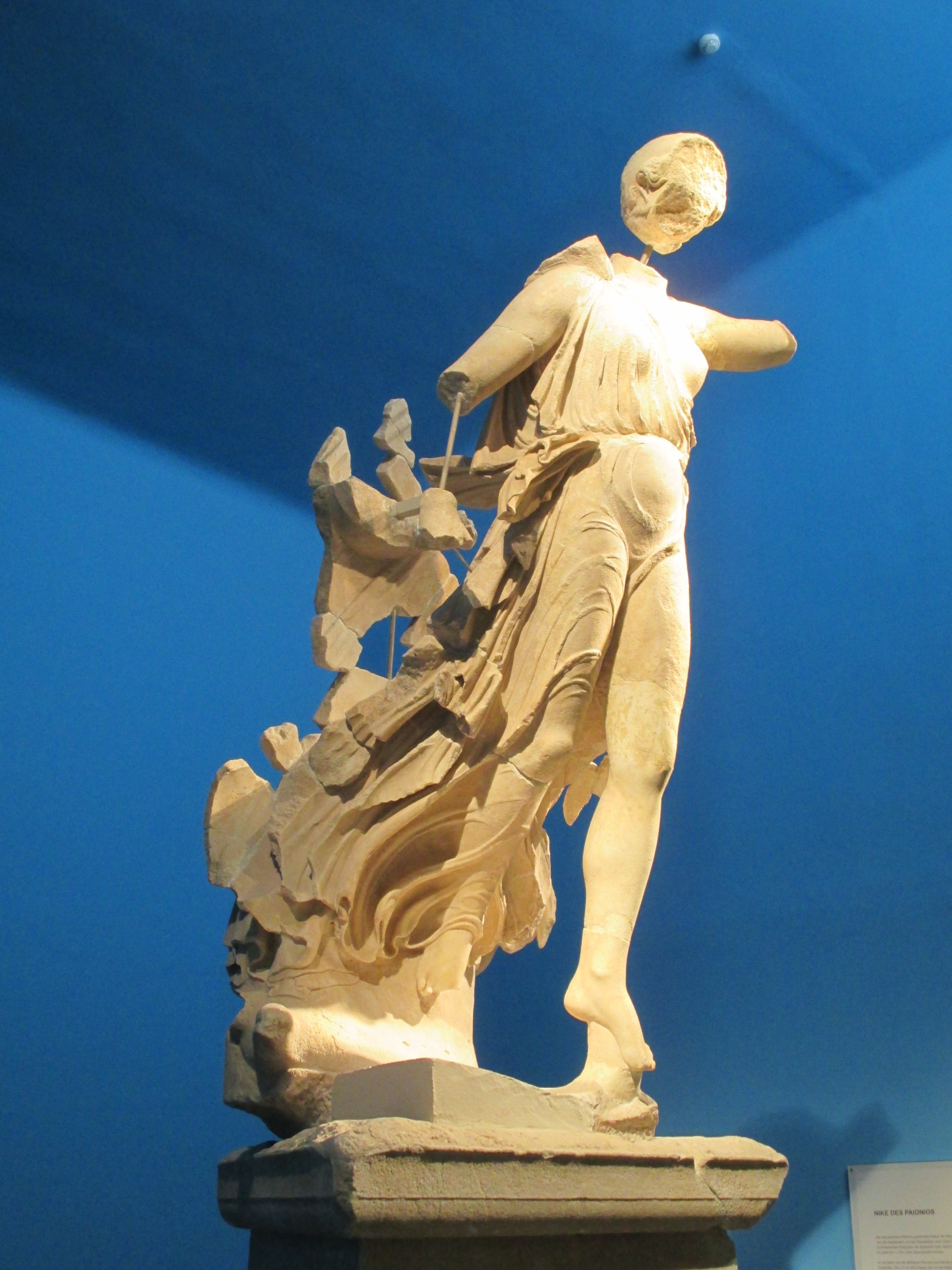
420 BC – Nike of Paeonius created for display at Olympia

The dynamic sculpture is missing a few pieces these days but still does a great job of conveying motion.

Nike - goddess of Victory. She stood on a pedestal where the Olympic victors were crowned near the Temple of Zeus

Nike – goddess of Victory. She stood on a pedestal where the Olympic victors were crowned near the Temple of Zeus

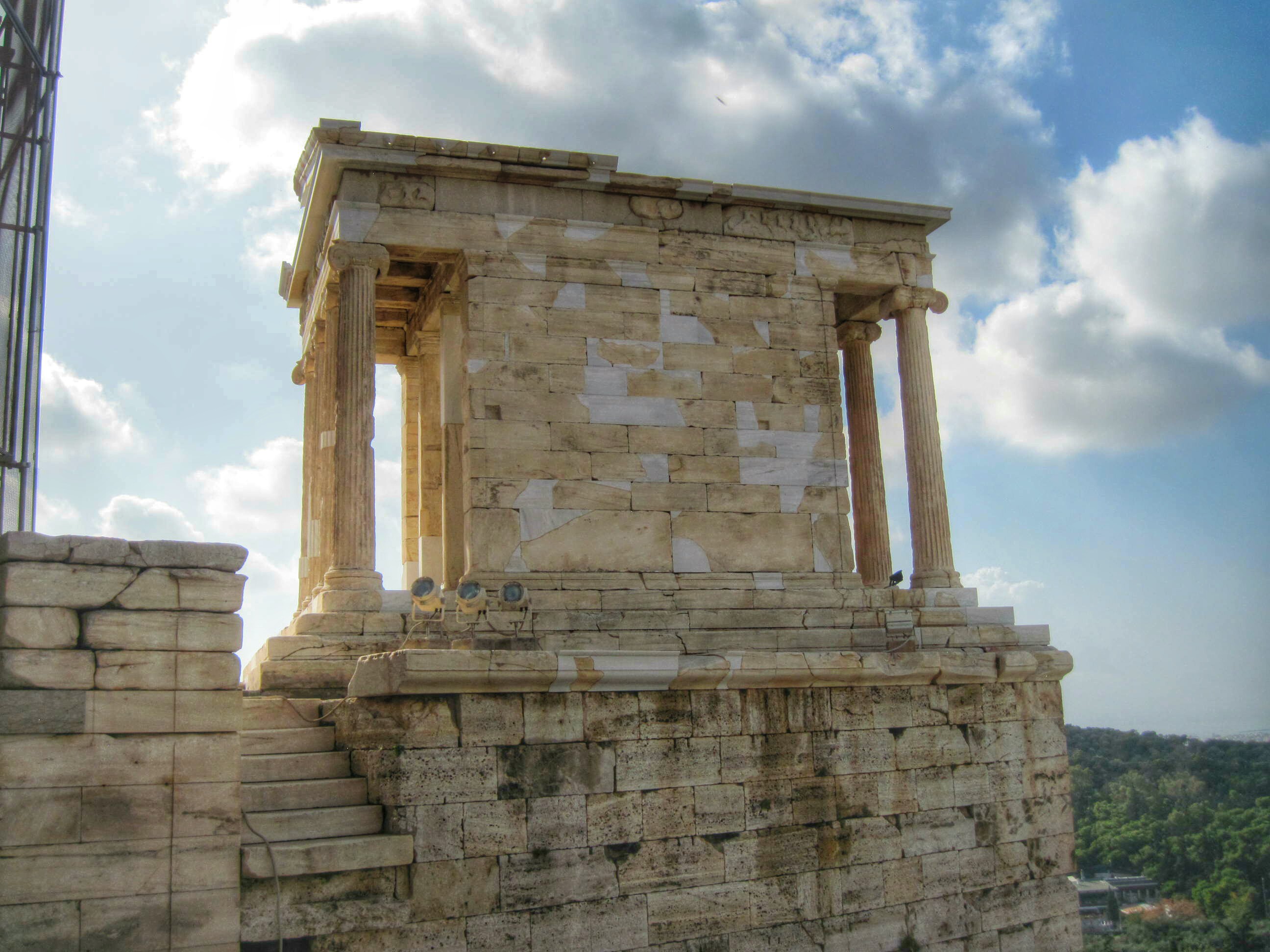
420 BC – Temple of Athena Nike constructed on Athens acropolis

This small temple is found on the southwest corner of the Acropolis. This was the oldest Ionic temple that we saw. Nike means victory in Greek, and Athena was worshiped in her victorious form here. Note the date – the Athenians were praying for victory in the Peloponnesian War which was still going on.

Temple of Athena Nike at the entrance

Temple of Athena Nike at the entrance

415 BC – Construction of Temple of Hephaestus completed

This Doric temple, found in the Ancient Agora of Athens, is one of the better preserved temples that we saw.

Temple of Hephaestus Jelfie

Temple of Hephaestus Jelfie

406 BC – Construction of Erechtheion on Athenian Acropolis complete

The Erechtheion is a temple on the north side of the Acropolis, dedicated to both Athena and Poseidon. Arguably its most famous feature is the “Porch of the Caryatids,” where the columns holding up the roof were carved into women in flowing dresses.

The porch with the caryatids on the Erechtheion

The porch with the caryatids on the Erechtheion

404 BC – Sparta triumphs over Athens in the Peloponnesian War

We visited Sparta, but there was much less to see there than there had been in Athens. Its culture was much more focused on the military than it was on building grand temples.

This is Sparta! No, really, this is actually the historical site of Sparta. And the modern town of Sparta beyond.

This is Sparta! No, really, this is actually the historical site of Sparta. And the modern town of Sparta beyond.


After Athens lost the war, its time as the dominant force in the region was over, and its boom of monumental architecture was through. Structures like those seen on the Acropolis in Athens were never to be equaled.

However, as you will see in our next entry, covering the fourth century BC, there would still be many sites in Greece producing architectural gems that are world-renowned to this day.

Our Top 10 Favorite Places We Stayed on our RTW

We’ve finished our RTW trip. We get a lot of questions about our favorite things on the trip, so we’ve decided to start a new series called “So, What Was Our Favorite…” We visited 29 countries on our RTW: Egypt (just 1 day), South Africa, Botswana, Zimbabwe (just 1 day), Namibia, Germany (just 1 day), Czech Republic, Poland, Slovakia, Hungary, Croatia, Slovenia, Bosnia Herzegovina, Montenegro, Albania, Greece, Turkey, Ireland, USA, Myanmar, Singapore, Indonesia (just Bali), Cambodia, Laos, Thailand, Vietnam, Hong Kong, Macau, and Nepal.

This edition will cover our top 10 favorite places we stayed around the world. These are not in order of preference, instead they are in the order in which we visited them.

When making this list, we found that how much we enjoyed a place had less to do with the actual accommodations (though certainly it helped when we felt comfortable) and more with the experience or vibe of a place. We loved places that gave us unique insights to the culture of the area, or places where we were able to meet a lot of like minded travelers to create connections.

Amber Tree Lodge, Cape Town, South Africa

The Amber Tree was a really wonderful place to stay in Cape Town. It had pretty comfortable beds in the dorms with substantial lockers, a full kitchen and an awesome common area. The vibe there was also just perfect for us, laid back, fun, but not a full party. We met a lot of really great people there, and had enjoyable evenings hanging out with travelers from all over the world! In addition, it was in a pretty great location – at the foot of Table Mountain, which made for great views from the balcony. It is also not too far a walk from the famous Long Street in Cape Town.

IMG_9516

Pension Oaza, Levoca, Slovakia

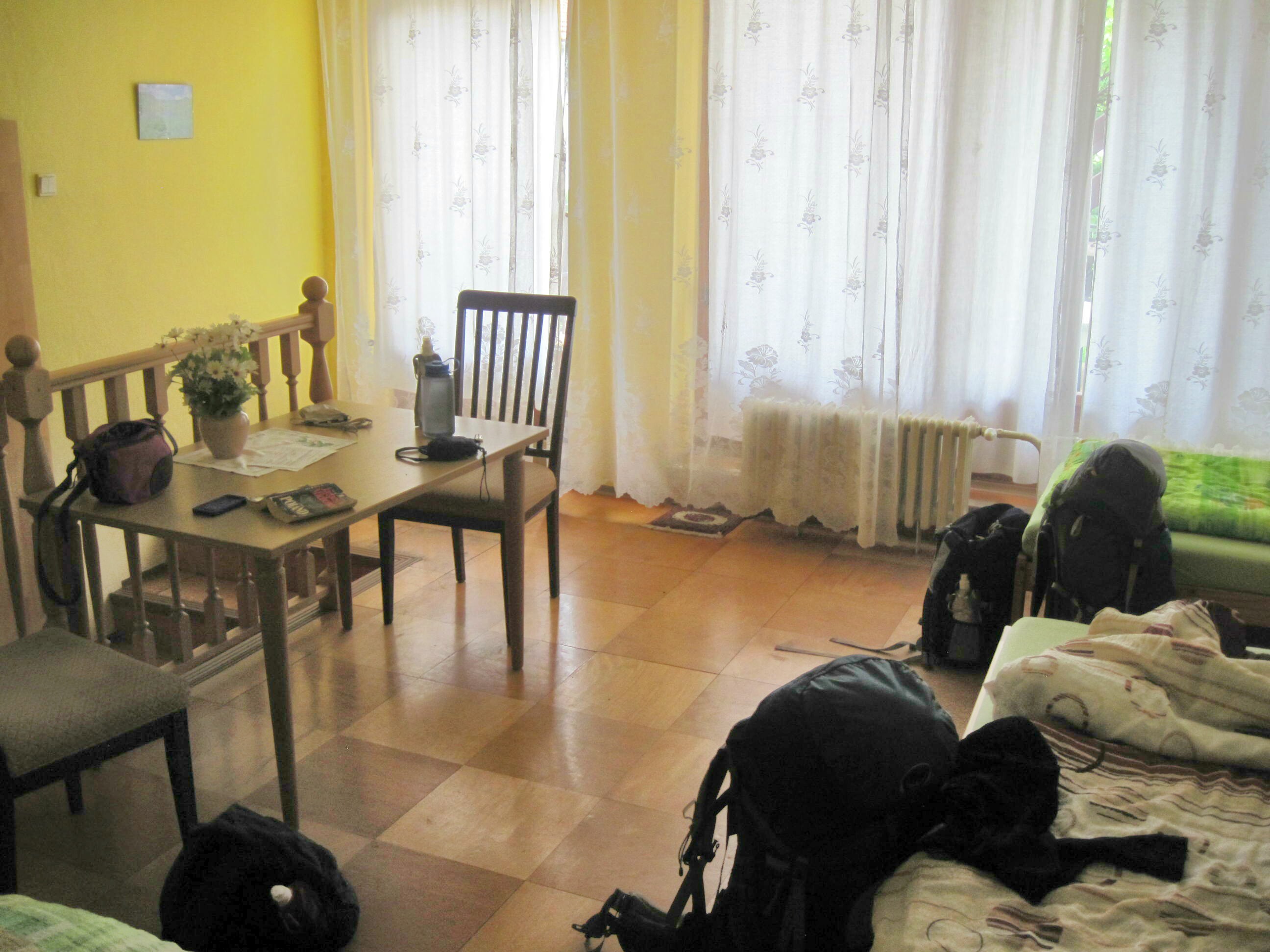
We really enjoyed this pension in the small town of Levoca. We had a very large and comfortable room. We had plenty of space to spread out, a refrigerator and microwave, and our very own bathroom! The woman who owned the pension was kind and offered us homebaked goodies. She also told us to grab some of her many tomatos growing in her garden. It was quite a nice location too, located midway between the main bus station and old town.

Our room came with its own table

Agria Retur Panzio, Eger, Hungary

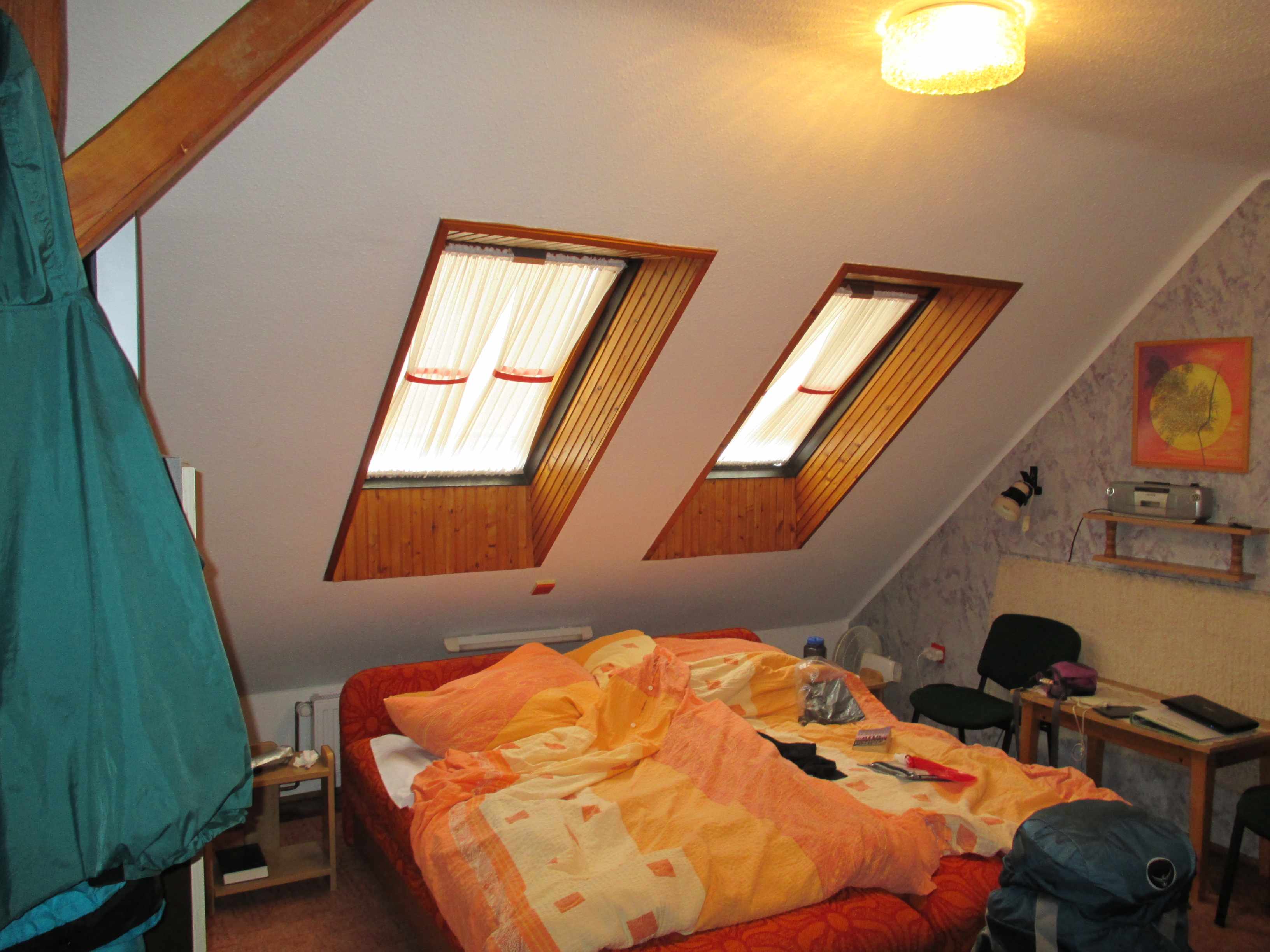
This pension was extremely pleasant. We had a pretty sizable room with a private bathroom, and some skylights above our bed. There was a shared kitchen and meal area that was quite pleasant. We were only a few minutes walk from Old Town and the town Minaret was practically right outside our door!  In addition, the lady owner was so kind and really interested in making sure that we felt at home. We felt as if she wanted to take us under her wing as a mother figure!

IMG_1206

Apartments Samardzic, Kotor, Montenegro

When we arrived at the Apartments Samardzic, we almost immediately decided we wanted to extend our stay. That certainly bodes well for an accommodation! We had a nice queen-sized bed, a good bathroom, a kitchenette, a big living room, and our favorite feature: a view over the bay. We spent most of our afternoons just relaxing the in the living room, looking out over the bay and catching up on things. The kitchen was convenient and the bathroom was comfortable. The hosts live right next door, and were always very kind whenever we had a question.

Ana’s Rest House, Berat, Albania

We were thrilled with our time at Ana’s in Berat. The guesthouse was quite new and comfortable. The bed was large and lovely. There was a small common area which we frequented and met several other interesting tourists. In addition, there was a lovely patio with a stunning view of Berat which we enjoyed on more than one occasion. We also lucked out with the new worker there. He was a native of Berat and was starting a burgeoning tour business. He was around all the time and we really enjoyed a lot of discussions with him from everything from books to American politics to Albanian history. After a lively and informative day with our guide, and several evening/breakfast conversations, he found out that Della was a teacher and he expressed his deep interest in teaching as well. He also was adamant that Della have a chance to see Albanian schools in action. Not knowing what to expect, we said that might be cool. He called a friend, a Peace Corps volunteer from Maryland, who worked in an alternative high school in Berat. This opened the door for us to spend the morning with the Peach Corps volunteer discussing his job and then an hour in his classroom where he works with a partner Albanian teacher to teach English to the students, the equivalent of seniors in the US. We really enjoyed and benefited from our stay at Ana’s!

Eucalyptus Hotel, Patara, Turkey

We were the only guests at this hotel as it was down season in Turkey. But, to be honest, that was part of the charm. We had a comfortable, pretty large room. The hotel provided breakfast every morning as part of the price. They also cooked dinner to order. All meals were served on a lovely outdoor patio which beautiful and comfortable Turkish style. The couple that ran the hotel was very kind and we did get a chance to chat with them a few times when they served us our meals. The owner also drove us to and from the bus stop at no extra charge which was a welcome and necessary service in the down season. We also made good friends with the cat at the hostel. We think they called her “Kedi,” which means kitten in Turkish. She would always join us for meals and follow us back to our room when we headed up.

The patio at the Eucalyptus Hotel

The patio at the Eucalyptus Hotel

Yoe Yoe Lay Guesthouse, Mandalay, Myanmar

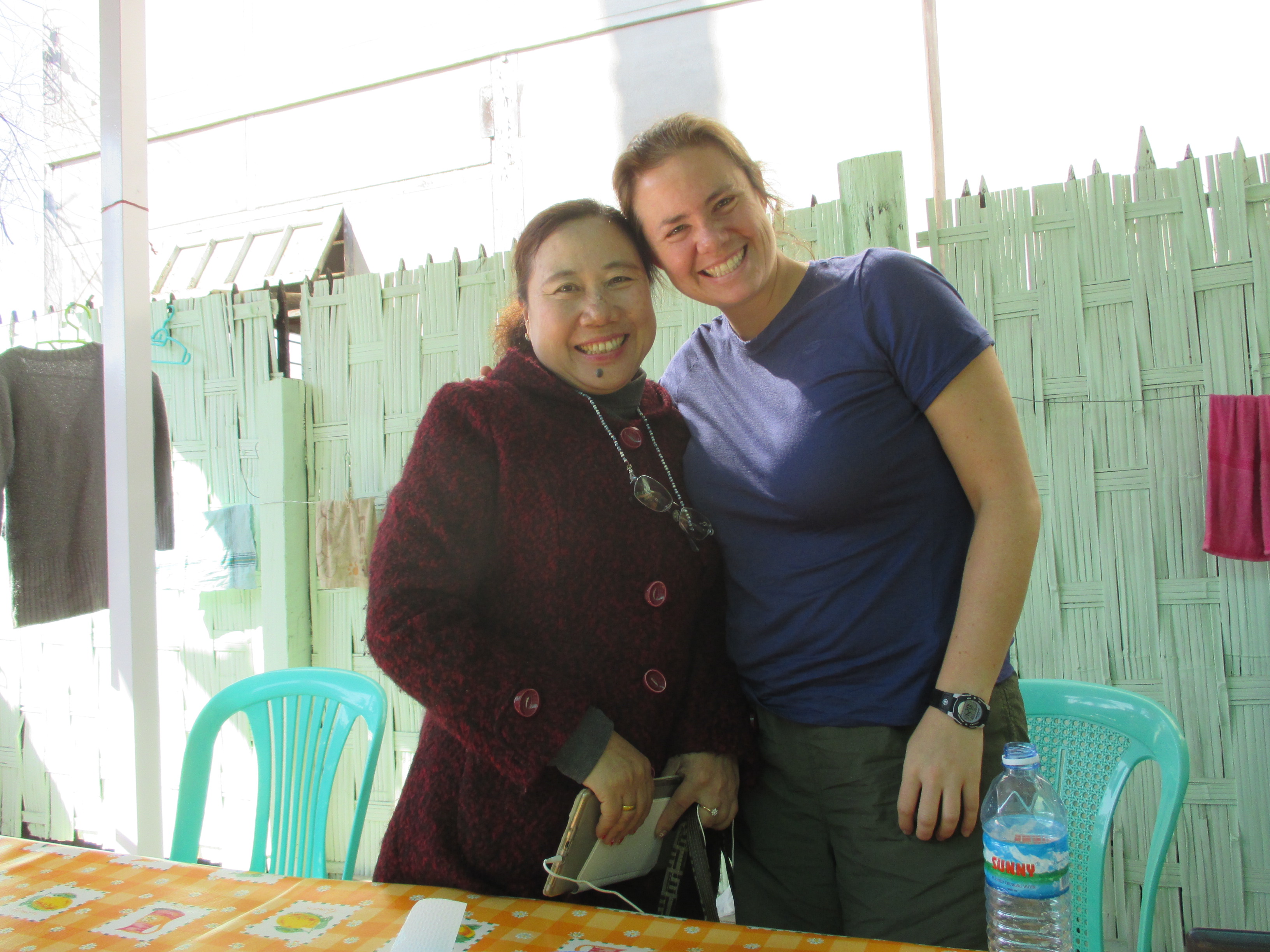
We can’t rave enough about this place! If you are going to Mandalay, you should stay there, no question. The level of service is amazing: everything is done with a smile, the provided breakfast is large and you have to fight to keep from getting extras and the facilities are nice, clean and commodious. The owner, who everyone calls “Mama,” is amazingly kind and generous, and will go out of her way to make you feel at home. She is so sweet, and wants to make everyone her children. On our last day there, she took us down the street to a restaurant, stuck around to make sure that we got excellent service, and then absolutely insisted on paying for our meal. She wouldn’t take no for an answer! We were overwhelmed by her generosity. Also, this place seems to attract a nice crowd of like-minded travelers, and we made a lot of fun connections just hanging out in the common area each night.

Della with "Mama" - the head of our amazing guesthouse - Yoe Yoe Lay

Della with “Mama” – the head of our amazing guesthouse – Yoe Yoe Lay

Payogan Homestay, Ubud, Bali

We actually didn’t find this place, our friend Phill (who is currently on his own RTW – check his blog here!) did when we joined him for our holiday in Bali! We are so glad that he did! The homestay’s owner is the amazingly gracious Ketut. It is slightly outside the town of Ubud and is within the complex of Ketut and his family’s home. Ketut makes sure that you are comfortable and well cared for! He also is an excellent tour guide for sights surrounding Ubud. Make sure to ask for his special pancakes for breakfast! In addition, he is heavily involved in his local temple and made sure to get us involved too. We were so lucky to experience a “birthday celebration” for that temple which meant several evenings of activities. Ketut and his family made sure that we had the correct clothing so we could attend and experience everything. We were so grateful for the opportunity!

Golden Time Hostel 2, Hanoi, Vietnam

There are three locations for the Golden Time throughout Hanoi. We loved Hostel 2, though it was really more like a hotel. The best part about the Golden Time was the friendly staff that work at the front desk. Tony and Ahn, a married couple, always greeted us by name and with a smile. There was always coffee, tea and bananas set out as well, which was refreshing after a long day of sightseeing. The included breakfast also had a good selection. The rooms were nice and spacious, so we slept well. The location was close to the main tourist attractions but not right in the center of the hubbub.

Posing with Ahn, the friendly proprietor at Golden Time Hostel 2

Posing with Ahn, the friendly proprietor at Golden Time Hostel 2

Hotel Bright Star, Kathmandu, Nepal

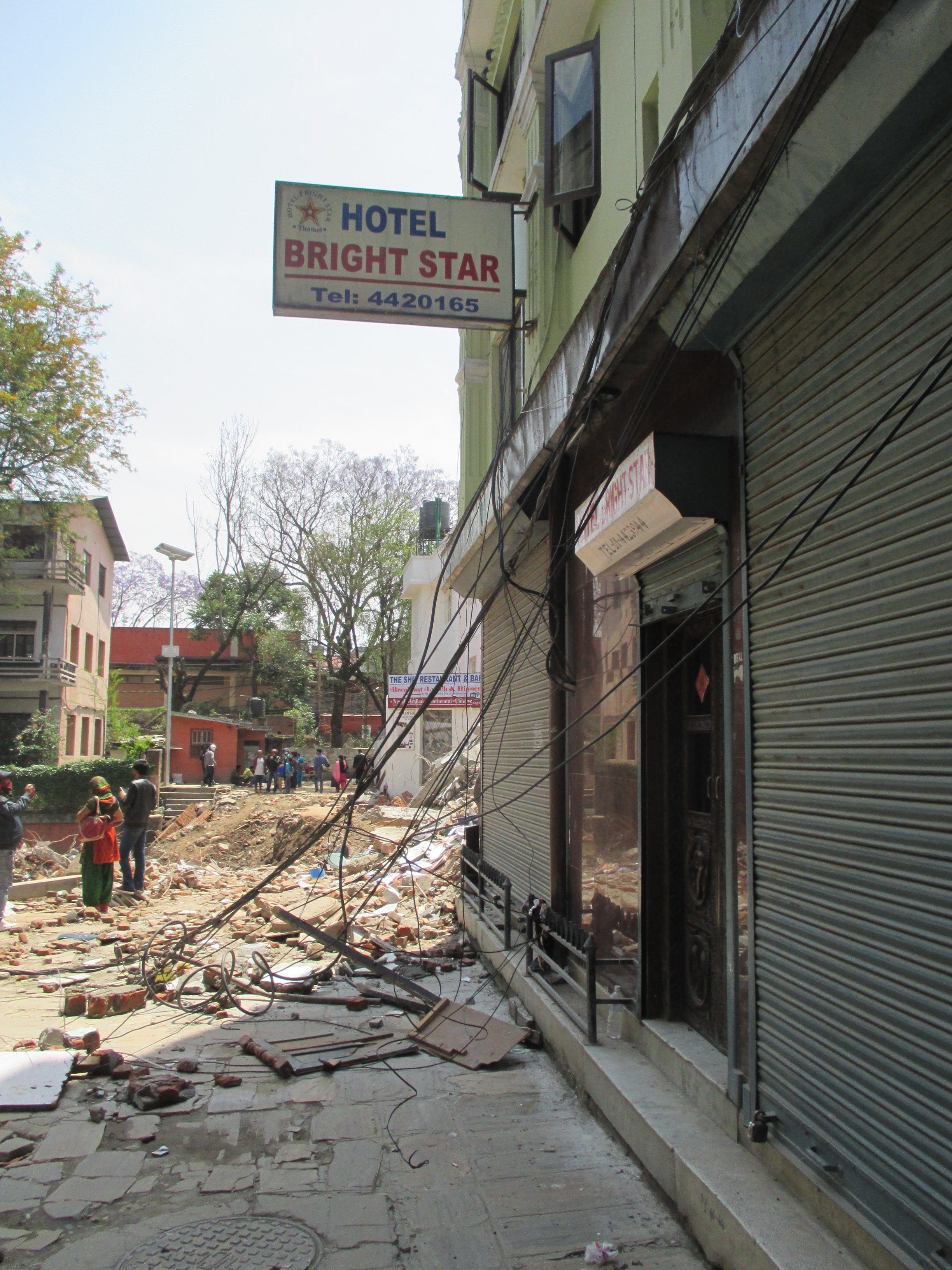
Hotel Bright Star is unique on this list, as we believe we were some of the last people to stay there. It was severely damaged in the earthquake on April 25. We will always remember the kindness and generosity that the owner of this hotel showed us both before and after the earthquake. This is a passage about the hotel from our blog Kathmandu: Before the Quake.

We didn’t get in until almost midnight, but the owner of our hotel, the Hotel Bright Star, had stayed up to check us in. We had a small room on the top floor – the stairs were a nice preview of what we expected to be a lot of uphill hiking on our trek.

This was only a preview of the generosity that the owner showed us during our three days in Kathmandu. He provided plenty of good advice, and walked us halfway to the tourist office (so we wouldn’t get lost) to pick up our trekking permits.Hotel Bright Star on its quiet streetThat made it that much harder to see him again after the quake. We had left two bags at the hotel while trekking, and we went back into town on May 1 to pick them up. He said on the phone that he and his family were ok, but when we got there it was clear how close they had come to disaster.The hotel next door had collapsed during the quake, and all that was left was a pile of bricks and tangled wires. The owner, clearly shaken, told us that 10 people had died inside. We ran inside our hotel to get our bags, and it was clear that it was the first time that he had been back in. He didn’t want to linger, and neither did we; one of the walls of the lobby on the side of the collapsed building was bulging inwards.The same view after the quake, with the hotel just beyond in rubbleHe said the rest of his family had been safely moved to Pokhara, but he would remain staying in a building down the street until all of the left baggage had been picked up. Hopefully the people who left their bags will return soon…

If you would like to read more about our experience during the Nepal Earthquake, click here.


We stayed at plenty other really good and interesting places around the world as well, so it was really hard to get this list down to 10! Still, it seems like this cream of the crop from all around the world is a good representation of the places we would like to stay on future travels as well.

RTW Timeline: First Half of the First Millennium BC

After seeing so many interesting sites and learning many facts about places all around the world, we thought it would be interesting to arrange the different places and events on a timeline to provide more of a context for the different highlights.

Our first installment in the timeline series covered events from the beginning of human history up to 1000 BC. This installment will cover from then up to 500 BC. During this time, one of the great civilizations emerge, and a deity is born.

776 BC – First Panhellenic Games in Olympia, Greece

The Greeks established a tradition of Panhellenic games, in which male athletes from all over the country would converge on a location and compete in contests of speed and strength. The most famous and the oldest were the games held in Olympia, which gave rise to the tradition we now know as the Olympics.

IMG_2497_edt

Around 600 BC – Sounion Kourous Carved

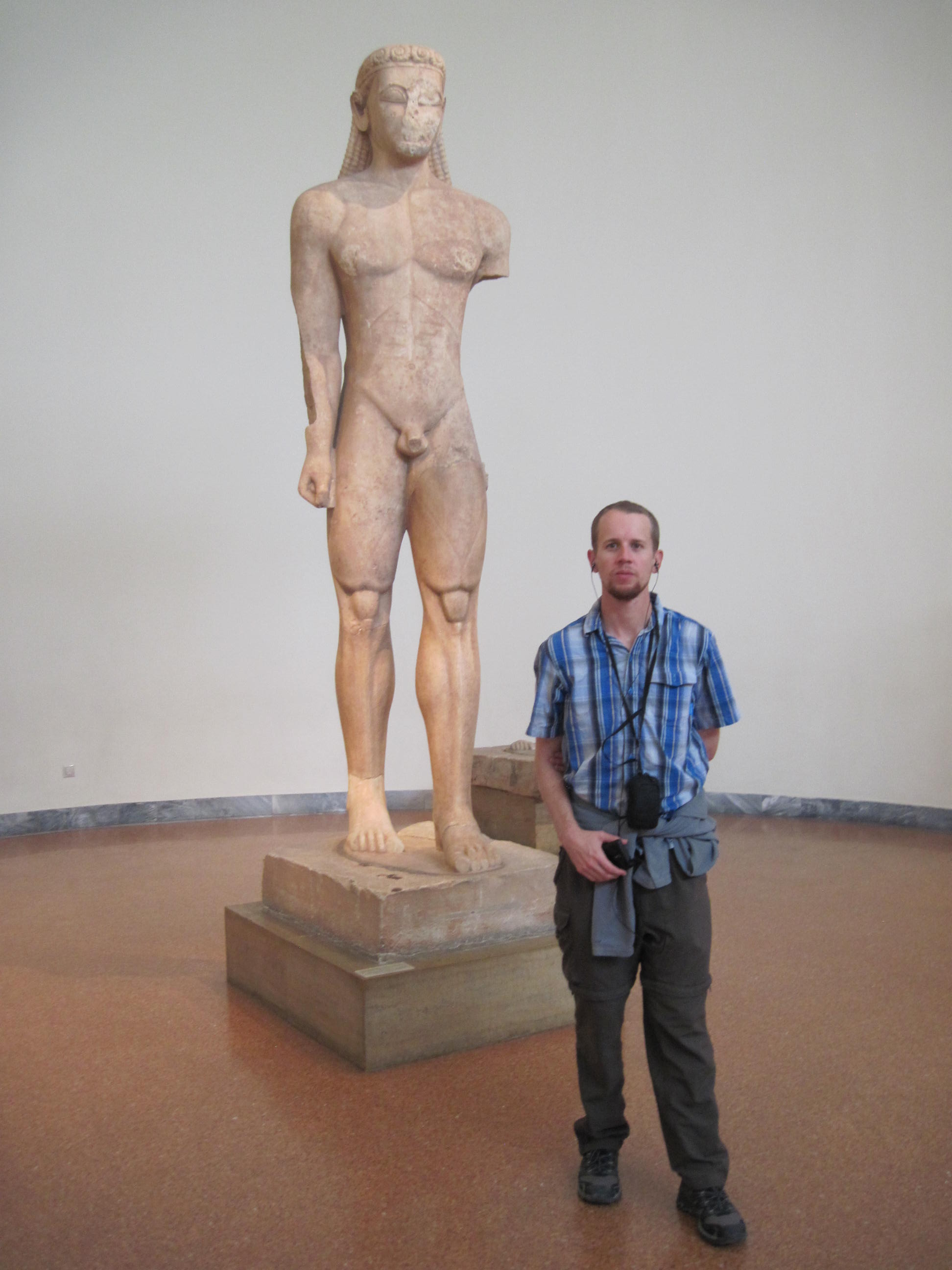
As the Greek population grew and the culture began to flourish, what we now call the Archaic Greek culture emerged. The hallmarks of the art of this period were standing figures carved out of stone; the male figure was called a kourous and the female a kore. We saw one of the more well-known Archaic kourous figures at the National Archaeological Museum in Athens.

A korous (male)

Sounion Kourous (male)

590 BC – Temple of Hera Built at Olympia

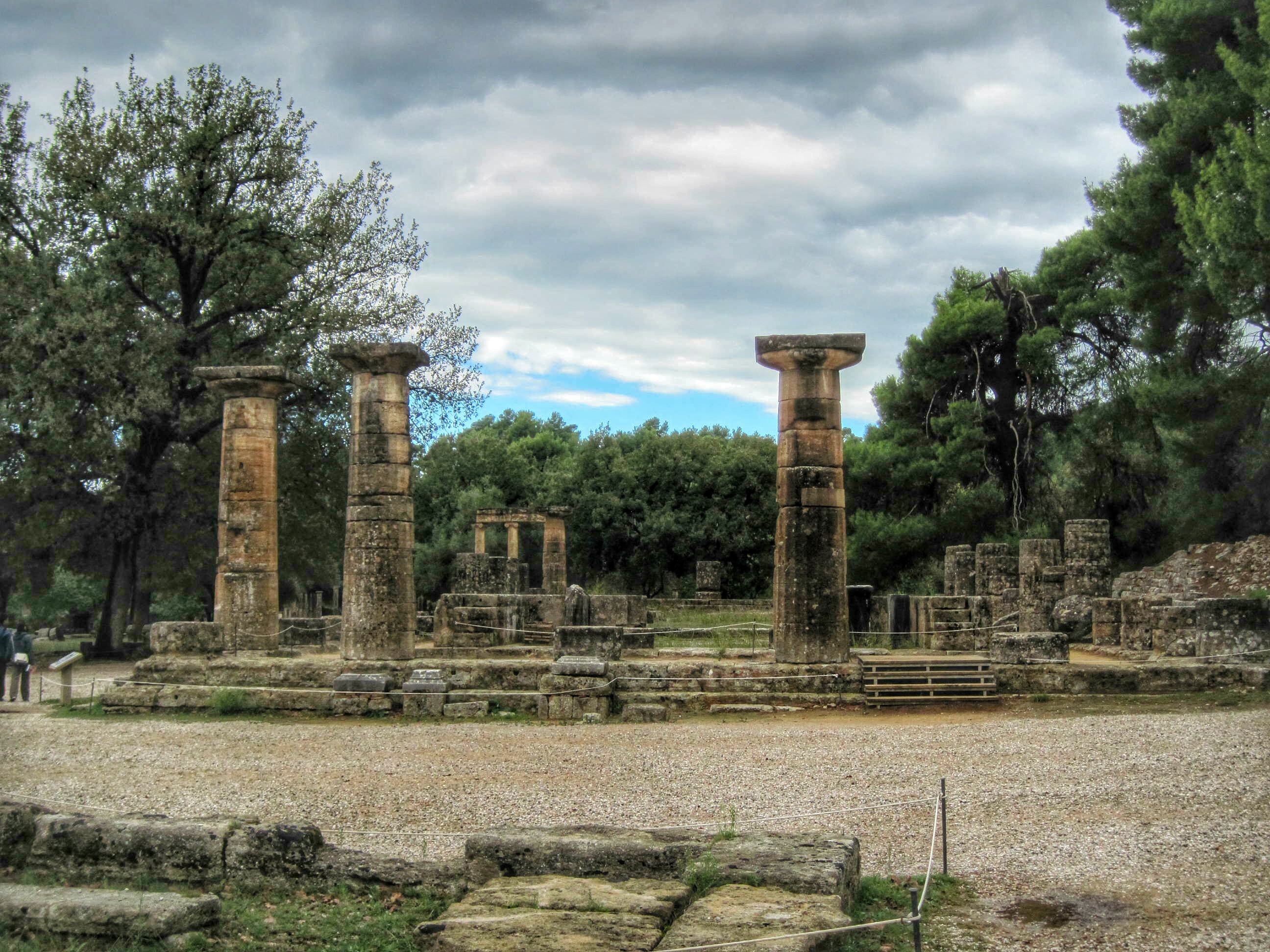
The Panhellenic Games held every four years at Olympia were not just an athletic competition. In addition, they functioned as a large religious festival. To support the religious activities, a large number of temples were built in an area called the sanctuary, or Altis. This temple was one of the first structures erected, and one of the first examples of a Doric temple. Today, it is used as the site where the Olympic flame is lit by sunlight reflected from a mirror.

Remains of the Temple of Hera

Remains of the Temple of Hera

586 BC – First Pythian Games Held in Delphi, Greece

The games held at Olympia are the most famous, but the sanctuary to Apollo at Delphi also hosted a Panhellenic Games every four years. These games had the same athletic events as those at Olympia, and also had art and dance competitions.

The remains of the stadium from the Pythian Games (renovated during Roman times)

The remains of the stadium from the Pythian Games (renovated during Roman times)

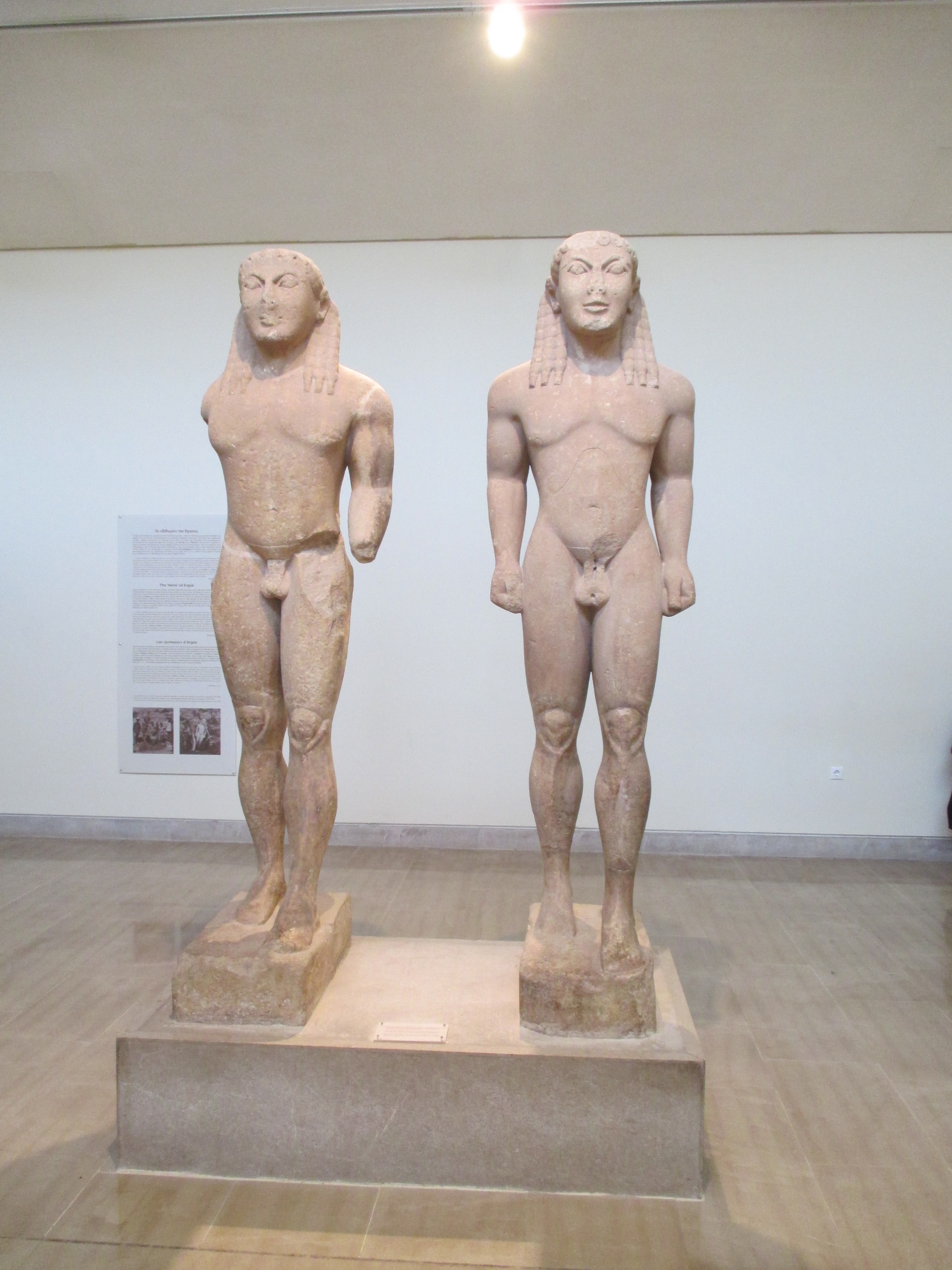
580 BC – “Argos Twins” Sculpture Created

This pair of kouros statues were sculpted in Argos, but were found in Delphi, where we viewed them at the archaeological museum.

The Twins of Argos

The Twins of Argos

563 BC – Siddhartha Gautama Born

The man who would attain enlightenment and become the Buddha was born in Lumbini, Nepal around the middle of the 6th century BC. We didn’t visit this site, but we did see the influence of this event in the countless stupas, pagodas and wats that we visited all throughout Asia.

560 BC – Sphinx of Naxos Created

This is another famous piece of Archaic Greek art that we viewed at the archaeological museum in Delphi. This massive carving of the mythical creature was sent by the island of Delphi as a offering to the sanctuary in Delphi.

The Sphinx of Naxos

The Sphinx of Naxos

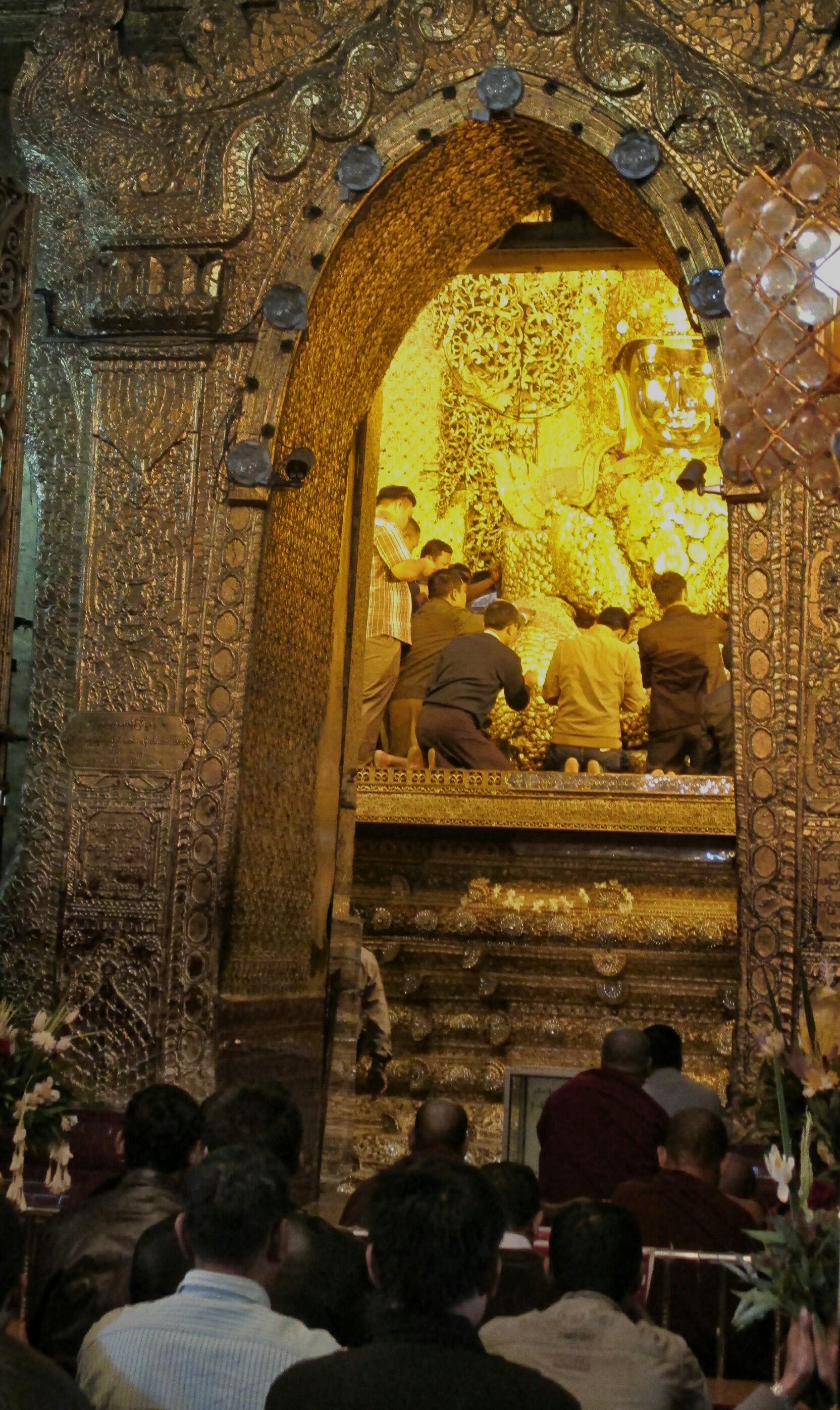
554 BC – Mahamuni Buddha Image Cast

Legend states that this bronze image of Buddha was cast in the kingdom of Arakan when the Buddha visited. It now resides in a special temple outside of Mandalay in Myanmar (Burma). Male pilgrims apply gold leaf to the image which has given it a large gold covering.

Males applying gold leaf

Males applying gold leaf

520 BC – Temple of Apollo Built on Aegina

We visited the island of Aegina as a day trip from Athens with Della’s family. We walked by the ruins of this temple to Apollo on our way to the beach, but couldn’t go in because it was closed for the day. All that remains of this temple is a solitary column that we were able to see from a distance.

The lone column remaining in the Temple of Apollo

The lone column remaining in the Temple of Apollo


As the first half of the first millennium BC drew to a close, the Greek culture began to reach its apex. In our next installment, we will travel through many of the relics of the Greek classical period that we were able to view.

Gliding Through Green Bay… on a Segway!

We were happy that we got to visit some family in Green Bay, WI during the summer. Della’s extended family live there, so we visit fairly often. However, we don’t always get to be tourists!

This trip, Della’s uncle and aunt decided that there was a new activity that we just had to try. We were going to see historic downtown Green Bay… via Segway!

We had never ridden Segways before, and to be honest, had been a little annoyed by them zipping around everywhere in Prague. At the same time, we were quite curious what it would be like.

We chose to do a Segway the Fox short tour which was a quick 50 minute intro to Segways and downtown. In retrospect, we do wish that we had more time with the Segways because that 50 minutes included introduction, practice, and then a very abbreviated tour. It would have been nice to have more time to play around on the Segways, and definitely fun to get a more in depth tour of old Green Bay.

We were impressed with the area! We hadn’t experienced downtown Green Bay before and we thought it was very cute. We enjoyed gliding around to the museum, over the river, and through some of the newly bustling streets. Downtown Green Bay seems to have had a lot of new development during the recent years, so it was even entertaining for Della’s family who live there!

Other Things to Do in WI

We enjoyed a visit to the National Railroad Museum as well. It was a large complex with multiple interesting exhibits. It also houses several full historic trains which you can enter and explore. We had fun learning more about the Union Pacific Big Boy, which was the world’s largest steam locomotive.

In addition to the exhibits, the museum offers a video about the history of the Big Boy, as well as a narrated train tour around the grounds.

We probably would have enjoyed looking at the museum in a little more depth, but this ended up being a slightly different kind of museum trip. Della’s cousins have some young children who joined us. It was refreshing to look at the museum through the eyes of kindergartners and to feel their excitement during the train ride and through exploring the full size display trains. However, it did change our normal museum pattern!  It was a fun way to spend an afternoon, with activities for adults and children!

We also took the weekend to visit Della’s relatives’ land “up north.” We visited the lovely lakes near St. Germain which is about a three hour drive northwest of Green Bay. We spent time biking through the area, enjoying the scenery, and swimming and water skiing the lakes.

Overall, it was a wonderful trip to a familiar state. We hope to explore Green Bay as tourists even more next time we’re there!

RTW Timeline: Prehistory and the Earliest Civilizations

After seeing so many interesting sites and learning many facts about places all around the world, we thought it would be interesting to arrange the different places and events on a timeline to provide more of a context for the different highlights.

The first installment of our timeline series will cover the oldest things we saw on the entire trip. In case you’re wondering, this only includes human activity; obviously we saw many natural wonders around the world that are much older.

2.5 – 2.1 million years ago – The Age of the “Mrs Ples” hominid fossil found in Sterkfontein Caves, outside Johannesburg, South Africa

The Cradle of Humankind is an area where many remains of our most ancient ancestors have been found (including a recent discovery). We visited the cave where some of the most famous remains were discovered as part of our visit to the park on the very last stop of our self-drive safari.

One of the hominid fossils from the Cradle of Humankind

One of the hominid fossils from the Cradle of Humankind

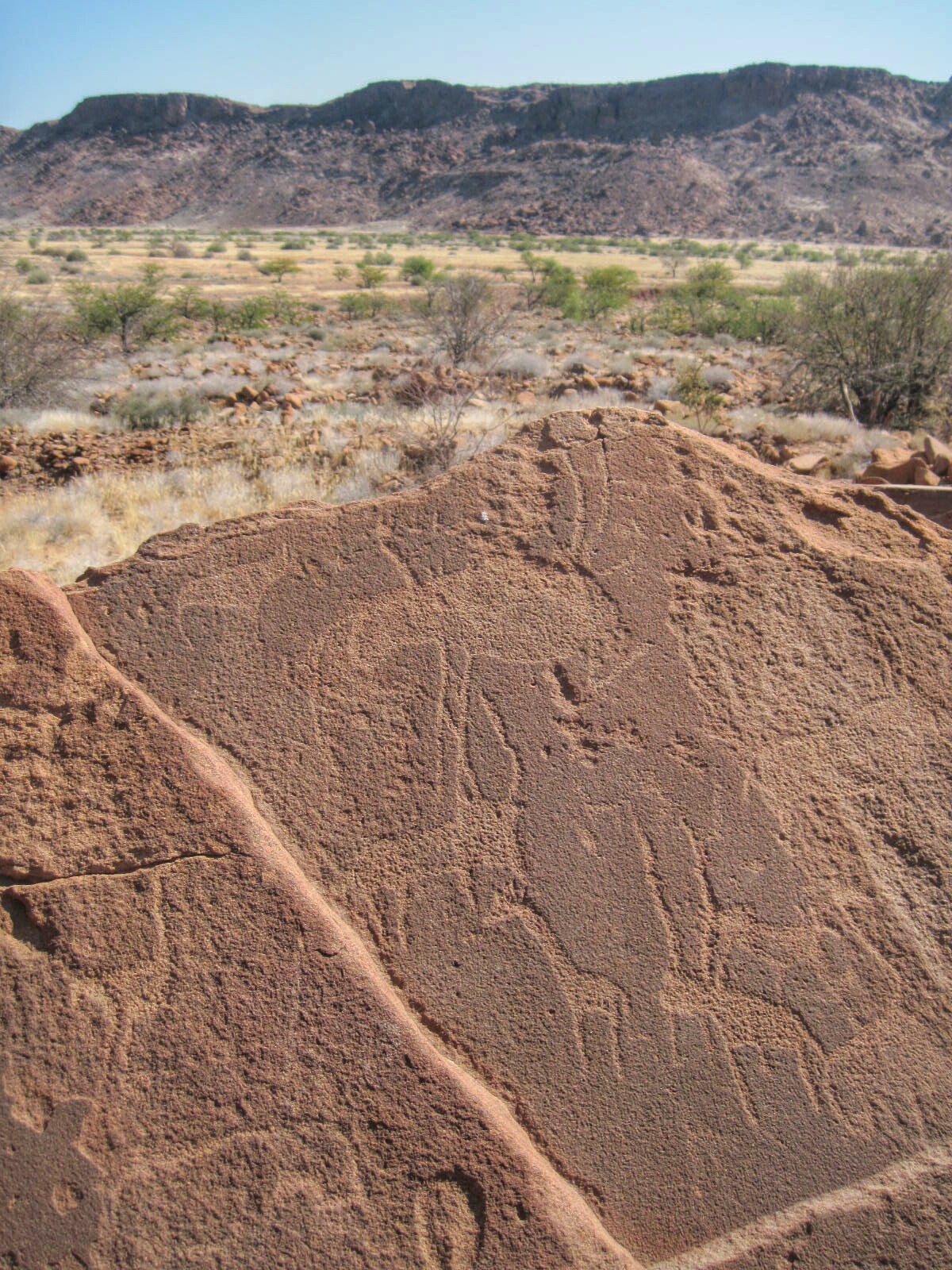
Around 4000 B.C. – San people inhabit the Twyfelfontein area and make rock carvings

The site of Twyfelfontein (//Uis-//Ais in the native language) in Namibia contains rock engravings from the San people (a.k.a Bushmen) dated from 2000 to over 6000 years old.

wpid-wp-1406990422066.jpeg

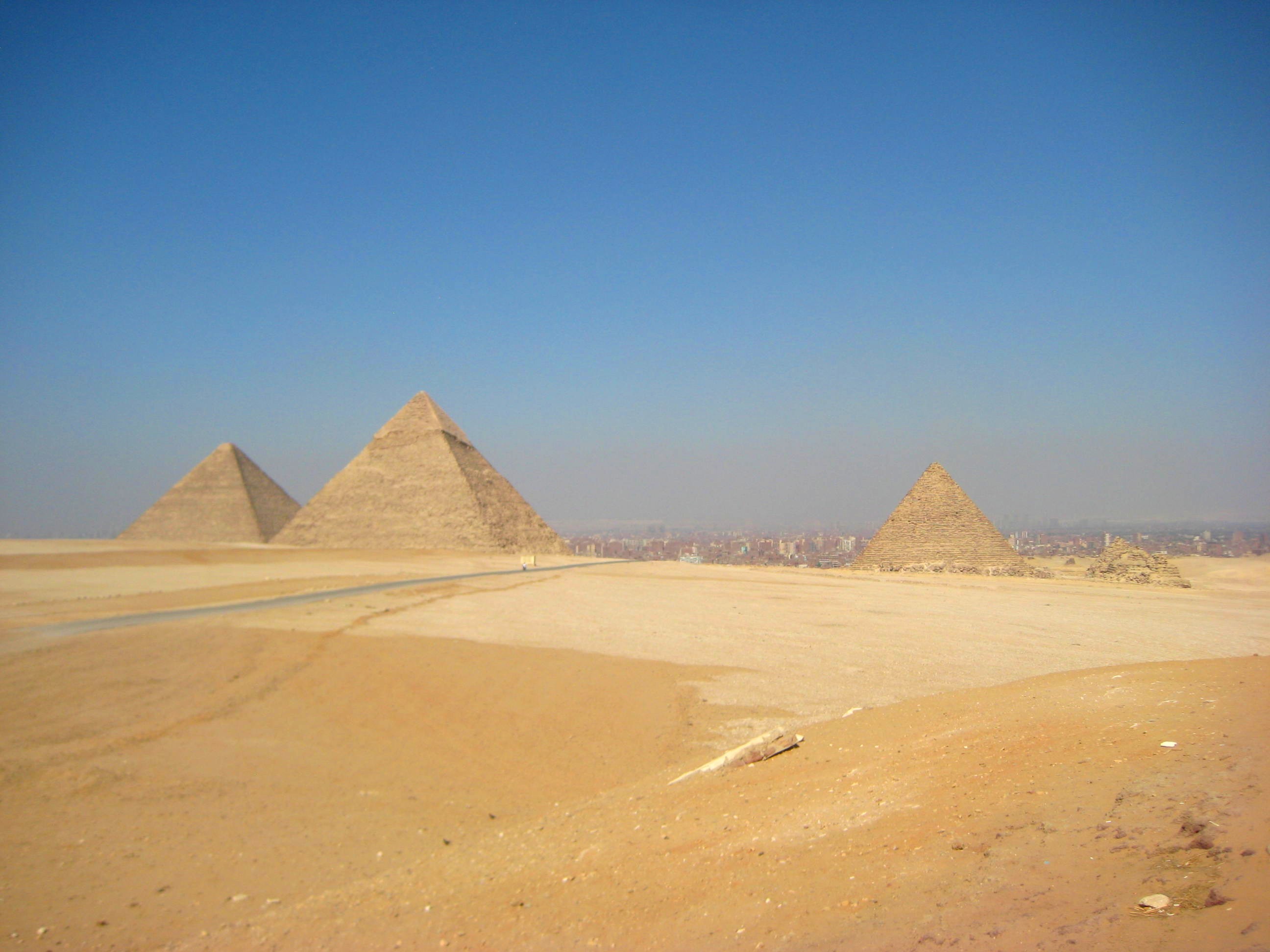
2560 BC – Pyramids of Giza constructed

We were able to view these ancient wonders of the world during our brief layover in Cairo at the very beginning of the trip.

IMG_9137

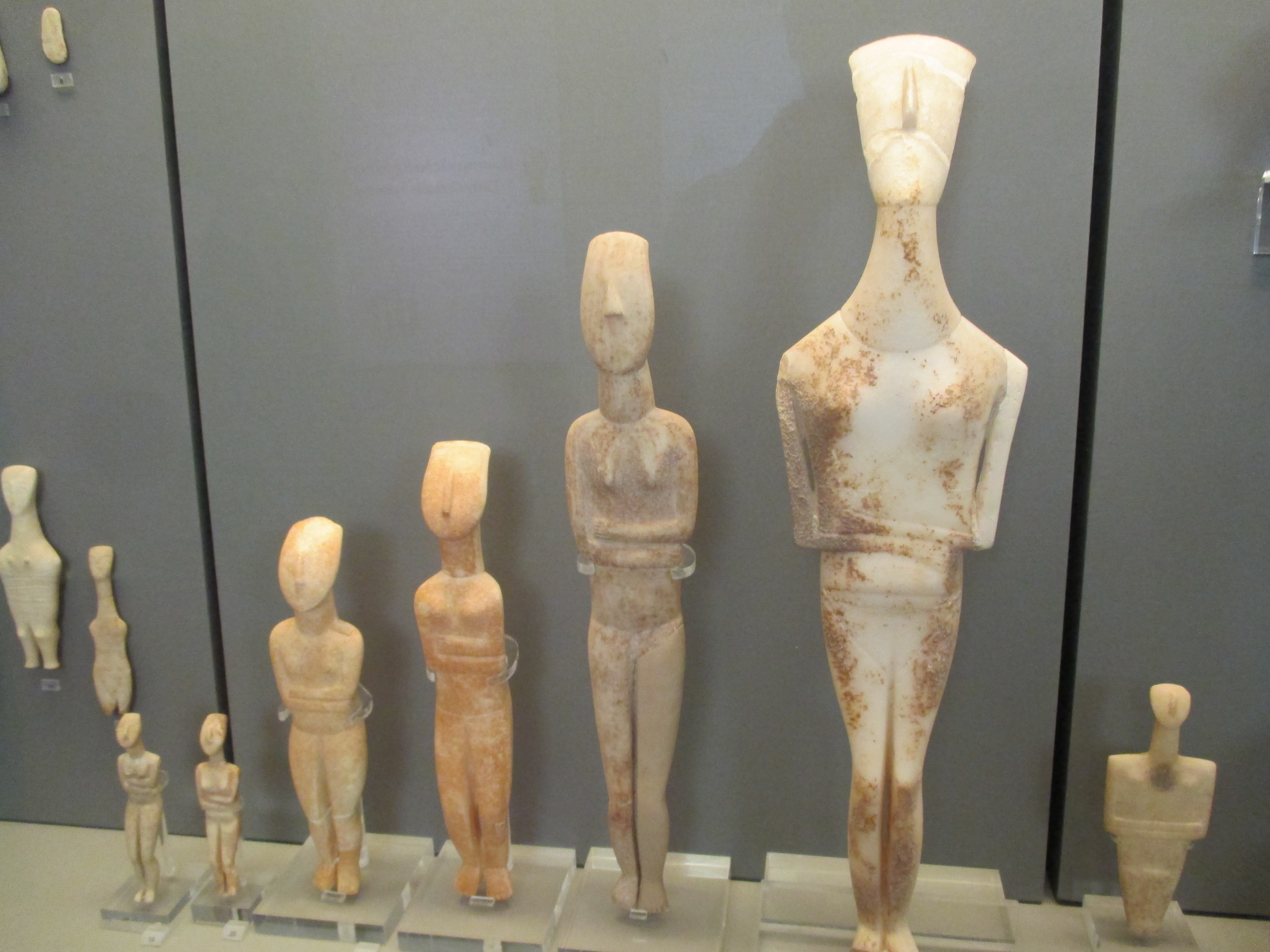
Around 2500 BC – The Cycladic culture in the Greek islands produces unique figurines

Around the same time that the pyramids were being built, in islands around the Aegean Sea, an emerging culture was making these distinctively-shaped sculptures. We saw examples of these at the National Archeological Museum in Athens.

Cycladic figurines

Cycladic figurines

16th Century BC – Grave Circle A at Mycenae Formed

1000 years later, the dominant culture on the Pelopponesian Peninsula of Greece was what we now refer to as the Mycenaean culture. These are supposedly the people who fought against Troy in the Trojan War. The site of Mycenae is now in ruins, but some evidence remains to give you a feel for their culture. They buried their dead nobility in grave circles which were filled with treasure. The famous archaeologist Henry Schliemann thought this grave circle was the final resting place of Agamemnon, who led the Mycenaeans against Troy.

Grave Circle A

Grave Circle A

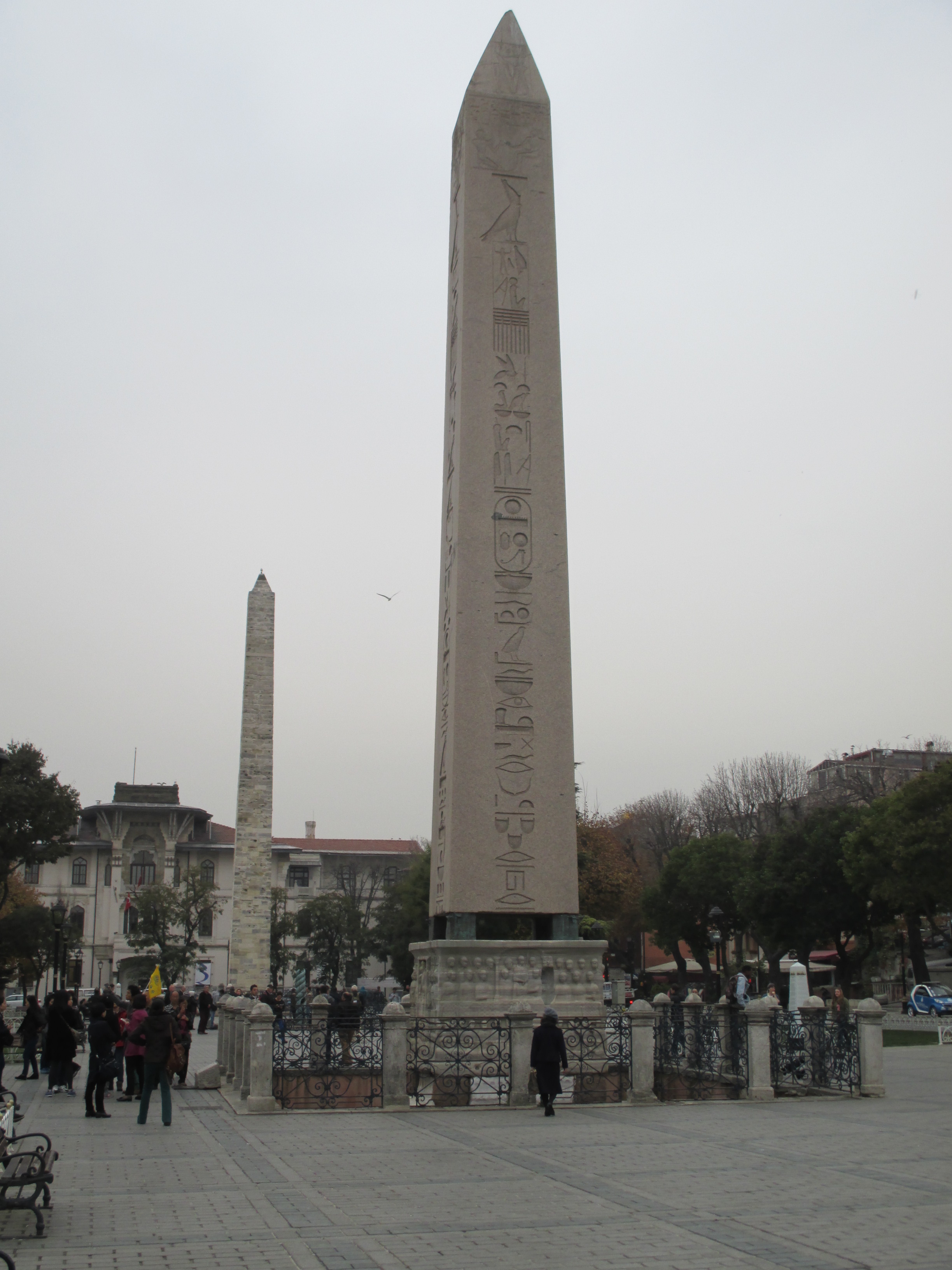
1450 BC – What is now called the Obelisk of Theodosius set up by Thutmose III in Karnak, Egypt

We saw this obelisk in Istanbul, in the ruins of the ancient Hippodrome. It was brought to Constantinople by Roman Emperor Theodosius in the 4th Century AD, but was originally erected in Egypt.

The Hippodrome

The Hippodrome

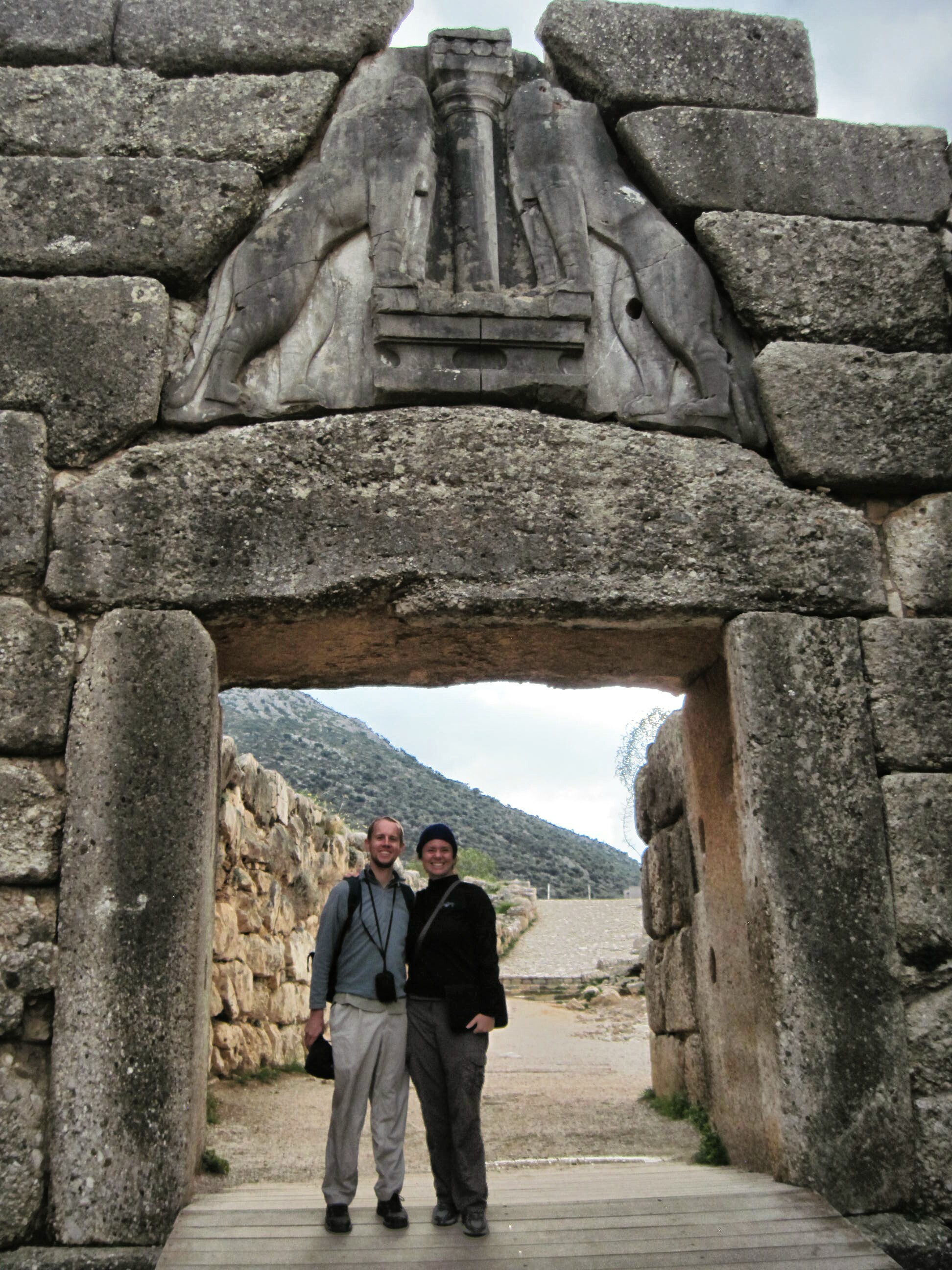
13th Century BC – Lion Gate at Mycenae built

Back in Mycenae (the site of Grave Circle A), probably the most famous feature is the Lion Gate, the main entrance to citadel. It was build about three centuries after Grave Circle A.

The Lion Gate

The Lion Gate

Around 1250 BC – “Treasury of Atreus” tholos tomb built at Mycenae

In the later years of Mycenae, the main style of the grand tombs was the tholos tomb, built in the shape of a beehive with a large, domed interior. The largest is what Henry Schliemann deemed the “Treasury of Atreus.”

The Treasury of Atreus

The Treasury of Atreus

Around 1200 BC – Palaces at Mycenae Destroyed

Not too long after the last monumental structures were built at Mycenae, the civilization collapsed and the citadel and its palaces were destroyed.

The remains of the palace

The remains of the palace

Around 1000 BC – The Basketmaker People Settle the Mesa Verde Region

Meanwhile, in North America, the culture that archaeologists refer to as the “Basketmakers” settled in the Mesa Verde region. They didn’t leave behind any iconic structures, but we know they were in the area based on remnants of baskets and other agricultural and hunting relics.

One of the canyons in Mesa Verde

One of the canyons in Mesa Verde


That wraps our first installment of our RTW Timeline series. Our next post will take us back to Greece and observe the emergence of one of history’s most famous civilizations.

End of RTW Trip Recap

We’ve done quite a few posts about our RTW stats, including things like our budget, our most expensive and least expensive locations, and our favorite things in many categories. But, one thing was missing – a round up of our final numbers as collected from all of our Monthly Updates. So, just for fun, here are our final stats for the RTW:

Countries visited:  29

Countries looked at: 3

Beds Slept In: 103 (One of those was our Self-Drive Safari tent which we set up 18 times!)

Chairs Slept In:  1

Tarps Slept Under: 1

Embassies Slept In: 1 (Hopefully the first and last of our life.)

UNESCO Heritage Sights Visited:  49

We traveled by 26 planesMiles Flown: 54,353

We traveled by 10 boats.

We traveled by 12 trains.

We traveled 53 long distance buses/minibuses.

We traveled by 2 shared taxis.

We traveled by 4 rental car/trucks. 

We traveled by 2 helicopters.

Eric read 51 books.

Della read 50 books.

Is there anything else you want to know?? Tell us in the comments!

So, What Were Our Favorite… Castles?!

We’ve finished our RTW trip. We get a lot of questions about our favorite things on the trip, so we’ve decided to start a new series called “So, What Was Our Favorite…” We visited 29 countries on our RTW: Egypt (just 1 day), South Africa, Botswana, Zimbabwe (just 1 day), Namibia, Germany (just 1 day), Czech Republic, Poland, Slovakia, Hungary, Croatia, Slovenia, Bosnia Herzegovina, Montenegro, Albania, Greece, Turkey, Ireland, USA, Myanmar, Singapore, Indonesia (just Bali), Cambodia, Laos, Thailand, Vietnam, Hong Kong, Macau, and Nepal.

This edition will cover our top 10 favorite castles/fortresses around the world. These are not in order of preference, instead they are in the order in which we visited them.

Castle of Good Hope, Cape Town, South Africa

The Castle of Good Hope in Cape Town was the first permanent European settlement in South Africa, built by the Dutch East India Company in the 1660s. It is quite beautiful, with yellow walls and a star shape. Entrance includes a tour which we quite enjoyed. We also were fortunate to see the “Key Ceremony” at noon.

IMG_0302

Český Krumlov Castle, Český Krumlov, Czech Republic

This building doesn’t quite look like a fairy tale castle, but was fun to explore! It’s free to walk around the grounds, but to go inside you do have to pay for a guided tour. There are a few different tour options; we chose the one that took us through Renaissance and Baroque era rooms (no pictures allowed inside, unfortunately). We also really enjoyed strolling through at sunset. You can get quite high in the castle which makes for lovely views over the city.

Spiš Castle, Slovakia

As you approach the town of Spišské Podhradie by bus, you are immediately struck by the enormous size and majesty of Spiš Castle on the hill above town. The entrance fee includes the use of an audio guide (free as long as you returned it within 90 minutes). We walked through the castle and listened to the stories on the guide. There actually wasn’t very much left of the castle. The royals stopped living in it in the early 18th century, and then in the late 18th century it burned down. What’s left has more of the feel of an archaeological site than the other castles we visited. It was built in the 12th century and went through many phases of construction and purpose. It has 3 baileys, which we learned were walls to protect itself. It is really more of a fortress. It went through many owners, but always was an imposing view over the valleys nearby.  The grounds of the castle are massive: there are multiple courtyards within the complex. After doing the audio tour, we spent some time just soaking in the ambiance from different places within the structure. The view was great as well!

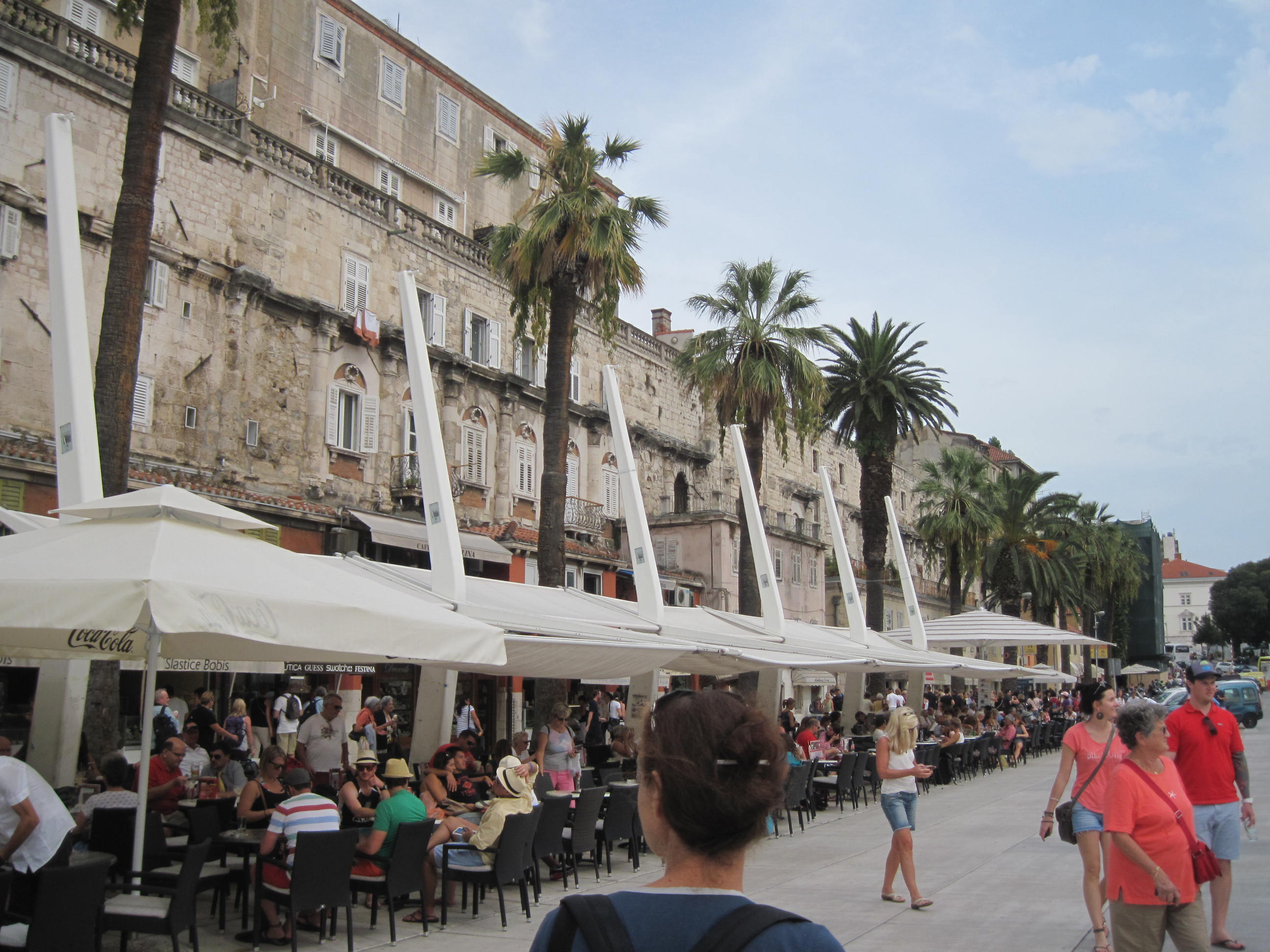
Diocletian’s Palace, Split, Croatia

This palace takes up a good portion of old town Split. It was built for the retirement of the emperor of the Roman empire around 300 AD. There are an interesting mix of original Roman structures and other houses and shops built during the next several centuries after villagers moved inside the walls following the Slavic invasion in 700 AD. It was awesome to see that the area had been inhabited for so long, with people still living and working inside.

Diocletian's Palace is in the background, with all the modern development now surrounding it

Diocletian’s Palace is in the background, with all the modern development now surrounding it

Fortress and City Walls at Kotor, Montenegro

Kotor has a very impressive defense system. Not only does it have thick walls to protect from attacks from the sea, it also has a series of walls running up the hill behind the Old Town that protect from attacks by land. Today, you can pay a small fee to hike up the old walls all the way to a fort at the very top. We took advantage of this one evening, and had great views over the bay as the sun set.

Gjirokaster Castle, Gjirokaster, Albania

The castle at Gjirokaster offered sweeping views of the valley, an eerie collection of old tanks from WWII, and even a tomb of Bektashi, the founder of the Bektashi sect. It also had an old US Air Force jet that was shot down during communism that was just there, ready to play on. It was nice to spend time in the castle where we didn’t see a lot of other tourists. There was also a museum of more old armory which we did not choose to visit. The views of valley and neighboring mountains were absolutely stunning.

Palamidi Fortress, Nafplio, Greece

We took an afternoon to visit the largest of Nafplio’s Venetian fortresses, which doesn’t have much in it but provides excellent views of the surrounding area. You can take a taxi up to the fortress at the top of the hill, but we decided to climb the steps. We didn’t start heading up until 2:00… and were disheartened when we saw a sign at the base that the fortress was closing at 3:00! We raced up the stairs and made it at about 2:30. The good news was that admission was free since it was the first Sunday of the month. We just had time to explore one of the seven bastions, but were quite impressed with the structure. (We think they should film Game of Thrones here!) We were kicked out at 3:00 and regret that we weren’t able to spend more time in the fortress, but we found a piece of the walls that was outside the gates to sit on, and read our books while looking down over the Old Town. It was a great place to relax and then later enjoy the sunset.

Topkapi Palace, Istanbul, Turkey

Topkapi Palace in Istanbul was the home of the Ottoman sultan from 1465 to 1856. The palace has four different courtyards and many exquisitely decorated rooms. We toured through all of the areas open to the public, including the harem which required an extra ticket. The grounds were expansive and, despite sort of bad weather, we enjoyed exploring most of the nooks and crannies. We were particularly excited here because it finally happened!! – Someone recognized Eric’s Rice baseball hat. We met a current Rice student (Jones College) who was studying abroad. How fun!

Wat Phra Kaew and the Grand Palace, Bangkok, Thailand

We spent a hot and crowded day in Bangkok exploring the ceremonial home of the Thai monarchy, the Grand Palace. We paid our steep (500 baht = $15) entrance fee and headed into the first part, Wat Phra Kaew, a.k.a.the Temple of the Emerald Buddha. We first explored the colorful chedis, then braced ourselves and dove into the big crowds squeezing in to see the Emerald Buddha itself. The statue was pretty, but far away and a little small, so we didn’t linger. We left the wat and then walked through the grounds of the palace. This was formerly the residence of the Thai royalty, and there are many fancy buildings that show a mix of Thai and Western architectural styles. Most are closed off to the public, but a few of the throne halls are open, so we wandered through them to see the splendor and take a brief respite from the heat. The splendor of the buildings with colors and sparkles is hard to beat. We also followed a tip from Wayne and Peggy, who had visited the previous day, and finished our visit at the slightly out of the way Queen Sirikit Museum of Textiles, which ended making our top 10 favorite museums list.

Imperial Citadel, Hue, Vietnam

The Vietnamese city of Hue was the seat of the Nguyen dynasty and thus the capital of Vietnam from 1802 to 1945. The main remnant of this ruling period is the ruins of the Imperial City, the home of the emperors. It is surrounded by a large wall, and then within the Citadel is another set of walls and the impressive Ngo Mon Gateway into the Imperial Enclosure, where all of the main activities took place. From there we explored the large site which had been largely destroyed during the French and American wars. However, there is a lot of ongoing restoration work. We explored the Thai Hoa Palace which was used for official receptions and important ceremonies before heading to the Hall of the Mandarins. The Forbidden Purple City was once reserved for the personal use  and residence of the emperor, but there is not much left now. Some of the the most beautiful parts of the entire enclosure were the Truong San Residence and the Dien Tho Residence for the wives and mothers of the emperor.


We’ve Finished our RTW, so What Were Our Favorite…. Drinking Experiences?!

We’ve finished our RTW trip. We get a lot of questions about our favorite things on the trip. We’ve decided to start a new series called “So, What Was Our Favorite…” We visited 29 countries on our RTW: Egypt (just 1 day), South Africa, Botswana, Zimbabwe (just 1 day), Namibia, Germany (just 1 day), Czech Republic, Poland, Slovakia, Hungary, Croatia, Slovenia, Bosnia Herzegovina, Montenegro, Albania, Greece, Turkey, Ireland, USA, Myanmar, Singapore, Indonesia (just Bali), Cambodia, Laos, Thailand, Vietnam, Hong Kong, Macau, and Nepal.

As many of you know, we are not really big partiers- but we definitely like a good drink/drinking experience. As we traveled around the world, we tried as much of the local alcohol as we could, but there were a few “drinking experiences” that really stood out. These were times that we remembered best for being somewhat alcohol centered, however, we think you’ll notice that often it wasn’t just the alcohol that made the experience so memorable.

This edition looks at our top 10 favorite “drinking experiences” around the world. These are not in order from best to worst. They are just our top 10 favorite in the order in which we visited them.

Chobe Safari Lodge, Kasane, Botswana

For three nights on our self-drive safari, we stayed at Chobe Safari Lodge in Botswana. The campsite itself was a little substandard. But the benefit was that we were less than 100 feet from a bar overlooking the river, where we spent multiple afternoons drinking beers and watching elephants graze. The sunsets were gorgeous and we enjoyed some local beer. The beers themselves weren’t wonderful, mostly pretty boring lagers, but the setting and sights were awesome!

Groot Constantia Wine Estate, Cape Town, South Africa

We visited here during our city sight-seeing tour in Cape Town, and we wish we could have spent the whole day there! It is the oldest wine estate in South Africa. It was started in the late 1600s by members of the Dutch East India Company. It took awhile but it then began to compete with all the fine wines in Europe and has continued to make excellent wine since then. We took the cellar tour and participated in a delicious wine tasting. We then wandered the vineyard and explored the historical buildings. The location was lovely and historic and we felt like we had a nice connection because we had just read James Michener’s Covenant which was about the history of the Cape and we had learned about a similar winery in the story. Definitely an enjoyable day!

Valley of Beautiful Women, Eger, Hungary

Just over the hill, about a 25 min walk from the Old Town of Eger, is the Valley of Beautiful Women. We’re not sure why the name, especially because we saw almost no one in our time in the valley. It was a miserably rainy day. But, the bad weather didn’t deter us from our reason for visiting Eger: the ~ 50 wine cellars all right next to each other, clustered in the valley. Tastes are free and glasses were as reasonable as 100 forint (about $0.50)! We really enjoyed striking up a conversation with a bored Hungarian working in the first cellar. We chatted about wine, Hungary, language, and her life. We also enjoyed trying the Eger special wine: Egri Bikaver or Bull’s Blood. The wine gets its name because in 1552, the people of Eger withstood a siege by the Ottoman Empire for a month. 2000 men from Eger against 100,000. They held! The king Istvan Dobo helped his troops by giving them wine which stained their beards red. This lead to rumors through the Turkish army that the men of Eger were so strong and vicious because they were drinking the blood of bulls! Every cellar has their own variant of this famous Eger wine. They also will fill up a plastic bottle of wine for cheap prices. We filled our 1 liter nalgene bottle of our favorite wine for only 500 forint (a little over $2.00!!) There are many cellars to try, but the rain and the alcohol caused us to only get to 3. We wish we lived close by cause we would go back regularly!

Buza Bar, Dubrovnik, Croatia

Buza means hole in the old Dubrovnik dialect. That’s just what this bar was – a hole in the wall. Literally, you walk through a hole in the city walls of Dubrovnik. The bar was quite crowded, but it was still an absolutely beautiful view out over the ocean. We had a few drinks there at sunset, enjoying our last evening in Croatia. Gorgeous!

Literary Pub Crawl, Dublin, Ireland

This was a new adventure for us! Dublin has a very rich literary history- writers such as WB Yeats, Jonathan Swift, Oscar Wilde, and and James Joyce made Dublin their home. Neither of us knew much about any of these authors, nor had read anything by them. But, Della thought that maybe this would be the perfect way to learn more about them, especially as we were in Dublin… and it couldn’t hurt that beer was involved. We really enjoyed the pub crawl! We went to 4 different pubs throughout the evening. At each one, we enjoyed our guides. They made sure to tell us stories either about the history of Dublin or about one of the many authors that contributed to that history. They also sprinkled in several small performances, either scenes from different plays or books, or from letters from the authors. It was an entertaining way to spend an evening exploring Dublin’s past and Dublin’s beer!

Red Mountain Winery, Inle Lake, Myanmar/Burma

On our first full day in Inle, we rented bikes and headed out of town toward a winery! The Red Mountain Winery is about 5 miles outside of Nyuang Shwe (the main town for Inle which we were staying in). It was a glorious day and we really enjoyed the ride. It was quite a push up the hill to get to the winery, but it was so worth it. You can get a taste of 4 wines for about $2. The wine was OK though not fabulous. We each found one we liked well enough to enjoy a glass of while we nibbled on an appetizer and took in the view. We waited around for the free tour and ended up being the only 2 on it for a little while. It was a short tour and we learned how the winery is quite new, imports most of its plants from France, and has mostly broken machines so they do things like label by hand. The glorious views and lovely day make this a fantastic place for a drink!

A Riverside Bar, Vang Vieng, Laos

Many people talk about the joys of tubing down the river and stopping for crazy party drinking at the riverside bars in Vang Vieng. We weren’t really into that, but on our last day in town, we headed down to the river where there were a few small riverside huts and a small bar with music playing. It was past the crazy, tubing part of the river so it was really quite calm. It also helped that we hung out there during sunset. It definitely felt like spending a day at the beach (without the icky sand and salt!) We had nice shade and shelter from the sun in our bungalow. We took turns going for a quick dip – the water was pretty cold – and relaxed and read our books while sharing a Beerlao. The bar also had some speakers playing Western pop music, many of which we recognized and had fun singing along to. We also enjoyed watching the huge air balloons floating above us as the sun sank down to the horizon.

Beachfront Restaurants, Ko Lanta, Thailand

We had a short time on the beach during our trip to Thailand. (Short was just the right amount of time for us!) We stayed near Khlong Nin beach, which was quiet and restful. There were lots of beachfront restaurants where you could sit and enjoy a drink. We ate many lunches, using the restaurants as sun blocks while we enjoyed our beer and looking out on the beach. Many of the beachfront restaurants offered happy hour deals on beer, which was great since the beach faces west. We took advantage and made sure to find a good seat to watch the sun fade below the horizon.

Sampling Fresh Beer, Hoi An, Vietnam

In Hoi An we had our first chance to sample “fresh beer,” a classic beverage that is unique to the country. The beer is called fresh because it has just recently been brewed and is served without preservatives. It has less alcohol than normal beer and less carbonation, but is very cheap. We paid only 3000 dong (about 15 cents) per glass! It was also extremely hot during our time in Hoi An. Stopping in at a restaurant or stand to enjoy a cheap, quick, and refreshing fresh beer was a great way to cool down and rest out of the heat!

Wine in Our Own Lodging, Anywhere Around the World

In several countries (though most notably: Croatia, Montenegro, Greece, and Hong Kong), the most affordable option for drinks was to buy a bottle of wine (or retsina) and take it home for an evening in. There were many a bottle that we enjoyed while lounging on a balcony of our hotel or in the sunroom of an airbnb that bring back some wonderful memories. There is something special about spending time together, remembering the new and exciting experiences of the day, planning our next moves, and relaxing – with no stress of job (or calories). It’s a freedom we will try to remember often as we restarted our jobs this last week.


Spanish Legacy and Texas History in San Antonio, Texas

After we returned to the US following our round-the-world trip, we had a busy summer visiting family and friends within the country. In the latter part of June, we took a trip down to Texas to visit Eric’s family. We ended up seeing quite a few sights around the state.

One of our favorite days was spent touring the famous Spanish, Mexican and Texan sights in the city of San Antonio. Eric has a cousin who lives in San Antonio and graciously agreed to host us and Eric’s parents while we visited.

Downtown San Antonio

We found a self-guided walking tour online and did a part of it to explore some of the sights of the historic downtown. Based on where we were able to find free parking, we started the tour halfway through and only did the first part (and did it backwards). Some of the highlights included:

  • San Fernando Cathedral – the oldest cathedral in Texas, founded by some of the original settlers of the Spanish colony in San Antonio who were from the Canary Islands (an interesting fact that Eric didn’t know)
  • The River Walk – No visit to San Antonio would be complete without a stroll down the shaded paths by the “river” that runs through town. Though derided by some, it’s still a pleasant magnet for activity in downtown
  • La Villita – We found a nice cafe for a lunch break in this collection of shops and restaurants on the site of a historic village
  • The Menger Hotel – We walked through the lobby of this Victorian building which has seen many famous guests and is still operating today

The Alamo

We ended our walking tour at The Alamo, arguably San Antonio’s and even Texas’s most famous attraction. The site was originally one of the Spanish missions, built as San Antonio de Valero in 1718. By 1793 though, it was abandoned, but then in 1836 it was used by the Texian Army during the Texas Revolution. It was the site of the famous Battle of the Alamo, where all of the Texian defenders were killed when the Mexican Army led by General Santa Ana overtook the fort. The massive losses later served as a rallying cry for the Texians as they won their independence.

IMG_1953

As such, this is a hugely important site in Texas history and a very popular site to visit. Also, surprisingly, it is free to visit. We purchased audio guides to better understand what we were seeing.

Not much is left of the compound from the battle of 1836. The image that most people think of when thinking of “The Alamo” is actually just the chapel building of a much larger complex. It is the main building still standing, so the bulk of the visit is focused there. Since many people died inside, it is treated as hallowed ground.

IMG_1949

Throughout the courtyards of the complex are more informational signs about the Alamo and Texas history in general. It’s a fascinating story, so we spent quite a while just going through them. There is more information in one of the other still-standing buildings, the Long Barracks, but we skimmed through it because we wanted to have enough time for our final stop of the day.

The Missions

In the 17th and 18th centuries, Spain established Catholic missions in the New World in order to try and convert the Native Americans to Christianity. The area that is now San Antonio proved to be fruitful for this type of work, so many missions were built along the San Antonio River (including what we now know as the Alamo).

Today, the ruins of the missions comprise the San Antonio Missions National Historic Park (minus the Alamo, which is run independently). There is a nice hike-and-bike trail connecting them to each other and to downtown, but we were running low on time so we just drove.

We started at one of the largest and most well-preserved: Mission San Jose. We explored the grounds inside the well-built walls and the recently renovated chapel. There were only a few other people here, which was a nice change of pace from the busy Alamo.

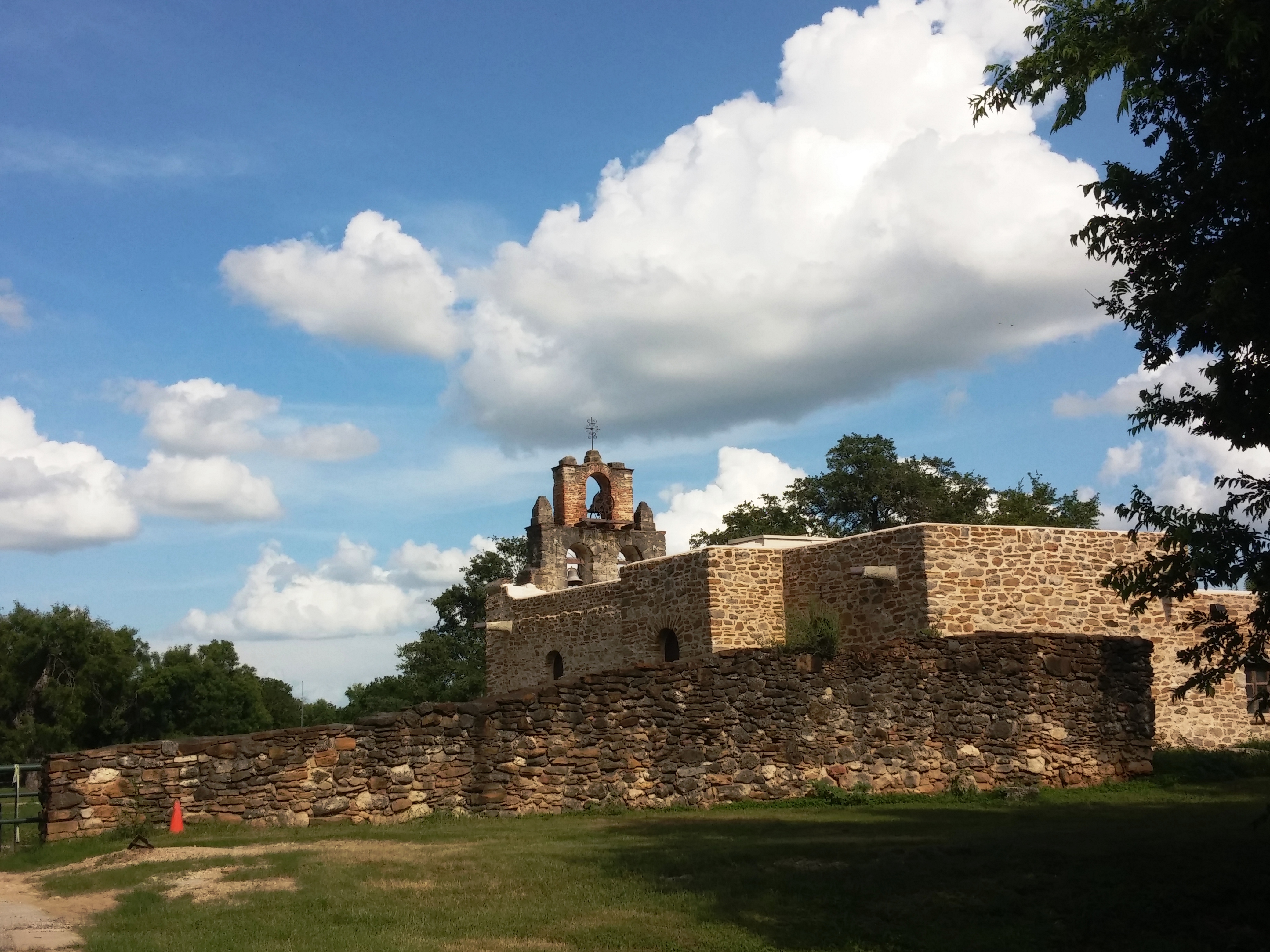
The park closed at 5, so we hurried and just drove by a few of the other sights: Mission San Juan, Mission Espada and the Espada Dam and Aqueduct. Just the brief glimpse was interesting, so we hope to get the chance  to return and visit in much more detail.

20150628_172100

At the time of our visit, the missions and the Alamo were not UNESCO World Heritage sites (something that some of us, namely Eric, obsess over seeing), but we read that they were considered strong contenders to be named as such soon. And just a week later, they were! So now we can add the San Antonio Missions to our list of sites visited.

Pearl Brewery

To cap off our day of sightseeing, Eric’s extended family took us to the up-and-coming development near the former Pearl Brewery. We had a nice dinner of Mexican “street foods” at La Gloria, then walked down and back up a newer, less-developed stretch of the RiverWalk. Both the kids and adults in the group were fascinated to watch sightseeing boats go up and down a set of locks along the way.

Final Thoughts

One day is clearly not enough to see all there is to see in San Antonio, especially if you are interested in all of the Spanish and Texan historical sites to be found. Thanks again to Eric’s cousin and her family for hosting us on our all too brief visit!